








From Pet Owner to Pet Parent
Not long ago, a pet in an Indian home was a companion or a guard dog. Today, they are increasingly seen as integral family members, complete with their own needs, wants, and a significant share of the household budget. This cultural phenomenon, often
called the ‘humanization’ of pets, is the primary force behind the industry’s explosive growth. Driven largely by millennials and Gen Z in urban and semi-urban areas, this new generation of pet parents is more emotionally invested and willing to spend on ensuring their companion has the best quality of life. This emotional shift is reshaping consumer spending, creating a demand for products and services that were once considered niche luxuries.
A Market Experiencing Explosive Growth
The numbers tell a compelling story. India's pet care industry, valued at approximately ₹30,434 crore in 2024, is projected to surge to an astonishing ₹2.1 lakh crore by 2032. This isn't just about selling more bags of dog food. It’s a boom driven by premiumisation across every category. Quick commerce data shows pet care orders grew 41% year-on-year recently, with searches for specialised items like dog shampoo and grain-free food skyrocketing by nearly 600% and 152% respectively. This growth isn’t confined to metros like Bengaluru and Mumbai; Tier-II cities are witnessing even faster adoption of premium pet care habits, indicating a widespread national trend.
The New World of Pet Luxury
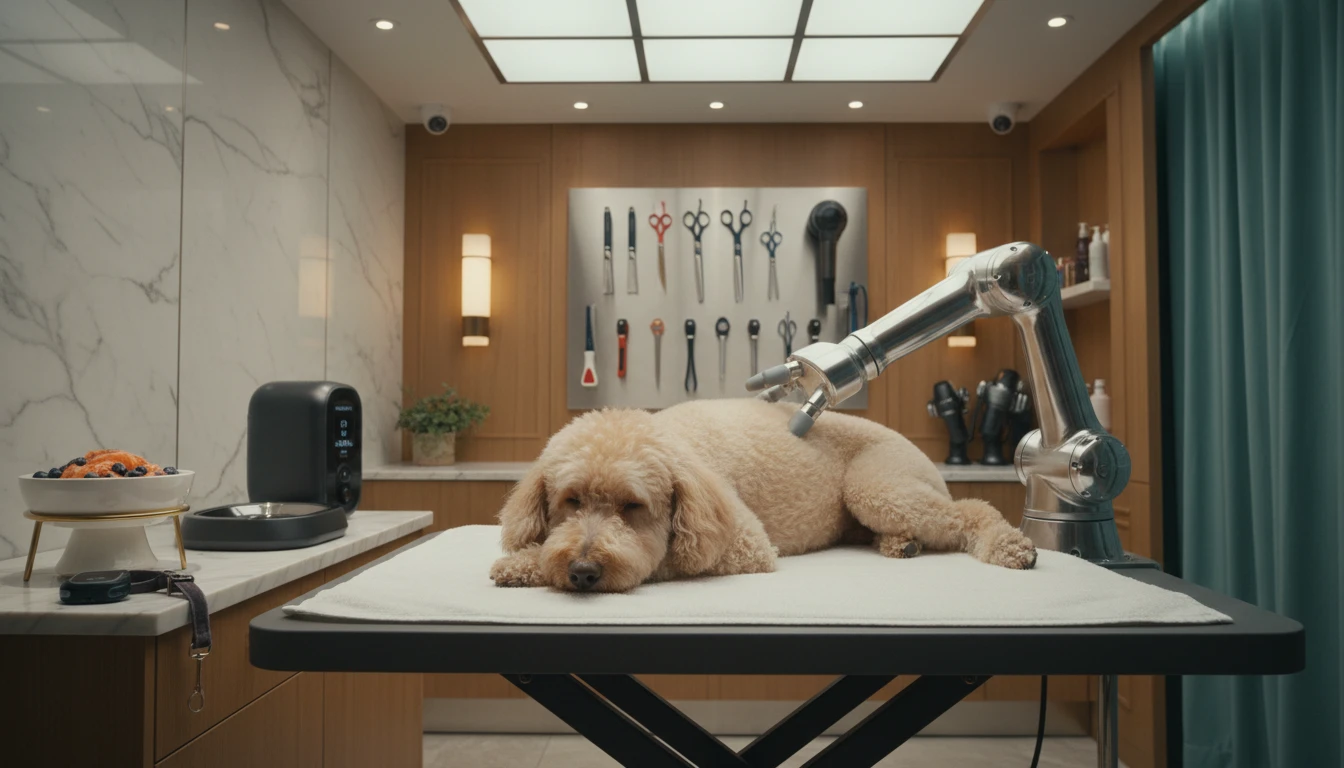
What does this premium economy look like? It’s a world of services that cater to every whim. In Gurugram, Critterati bills itself as South Asia's first luxury hotel for dogs, offering deluxe suites and a rooftop pool. In Jaipur, a five-story facility named Poffy includes a dog-only café with a 102-item vegetarian menu, a spa, and a bakery. For those in Mumbai, services offer cage-free boarding in vetted private homes to reduce anxiety. The market now includes everything from gourmet, freshly cooked meals and behavioural therapy to pet-friendly resorts designed for joint vacations. This rise in aspirational spending shows that for a growing number of Indians, no expense is spared for their furry children.
The Rising Cost of Responsible Care
While the luxury segment grabs headlines, a more significant trend is impacting every pet parent: the rising cost of basic, responsible care. The very factors driving the premium boom—better infrastructure, specialised knowledge, and advanced equipment—are also inflating the price of essentials. A routine veterinary consultation in a major city can now cost between ₹900 and ₹1,200, a significant jump from just a few years ago. Essential procedures have become major expenses; an emergency visit for a common issue like gastroenteritis can cost upwards of ₹15,000, while critical surgeries can run into tens of thousands. Even non-medical costs like quality food, tick prevention, and basic grooming have seen steady price increases, making the annual cost of care a serious financial commitment.
A Widening Accessibility Gap?
This dual reality raises an important question: is the premium pet economy making responsible pet ownership a luxury? As corporate chains backed by private investment establish high-tech veterinary hospitals, their standardised, higher pricing models put pressure on smaller, independent clinics. The result is an overall increase in the financial barrier to entry for prospective pet owners. While the market is responding with new options like pet insurance to mitigate high healthcare costs, the fundamental monthly expenses for food, preventives, and check-ups continue to climb. For middle-income families and those outside major urban centres, the escalating cost of simply doing the right thing for their pet is becoming a tangible strain, potentially creating a gap between those who can afford premium care and those who struggle with the basics.