



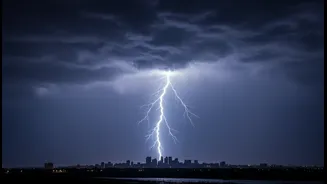



The Invisible Threat in Waterlogged Streets
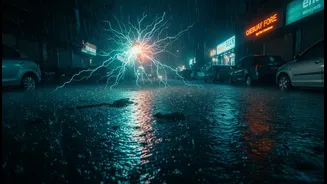
Every monsoon, reports emerge of tragic deaths due to electrocution in flooded urban areas. Just this month, incidents in Maharashtra and Delhi-NCR highlighted how easily a waterlogged street can turn fatal. The science is frighteningly simple: water,
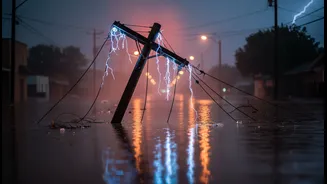
especially dirty floodwater filled with minerals and impurities, is an excellent conductor of electricity. When a damaged underground cable, a faulty streetlight pole, or a fallen live wire makes contact with standing water, the entire pool can become electrified. A person doesn't need to touch the wire itself; simply stepping into the charged water can complete a deadly circuit. The risk is amplified by ageing urban infrastructure, where exposed wiring, corroded connections, and illegally drawn power lines are common. Heavy rains and flooding expose these weaknesses with devastating consequences.
A Commuter's Guide to Monsoon Electrical Safety
The single most important rule is to avoid wading through flooded streets whenever possible. It's impossible to know what hazards, including live electrical currents, are hidden beneath the surface. If you must navigate a waterlogged area, do so with extreme caution. Wear rubber boots, as they provide some insulation. Avoid touching metal objects like railings or poles, and steer clear of electricity poles, transformers, and feeder boxes. Be observant: if you see sparks or a fallen power line, maintain a safe distance, warn others, and immediately report it to your local electricity provider. Many accidents happen in locations previously flagged as dangerous by residents. If you are in a vehicle that becomes surrounded by water, it is generally safer to stay inside the car and call for help, rather than stepping out into potentially electrified water.
Monsoon-Proofing Your Home's Electrical System
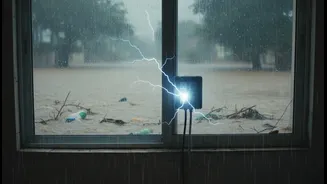
The threat of electrocution isn't limited to the streets. High humidity, damp walls, and water seepage can compromise electrical safety within your home. Before the monsoon intensifies, a few checks can make a world of difference. Ensure your home is equipped with a functional Earth Leakage Circuit Breaker (ELCB) or, even better, a Residual Current Circuit Breaker (RCCB), which can quickly cut power in case of a leak, preventing a fatal shock. Get a licensed electrician to inspect your home's wiring, especially if it's old, and check the earthing system. During heavy thunderstorms, it is wise to unplug non-essential electronic devices to protect them from power surges. Never touch switches or appliances with wet hands, and ensure electrical sockets are not located near windows or in areas prone to water seepage.
Beyond Personal Caution: A Call for Systemic Upgrades
While individual vigilance is crucial, long-term safety requires systemic change from civic bodies and electricity distribution companies (DISCOMs). Following monsoon-related fatalities in 2025, the city of Ahmedabad conducted a survey and performed preventive maintenance on over 80,000 street light poles to prevent future incidents. This proactive approach is a model for other cities. Key improvements include accelerating the transition to underground cabling, conducting regular pre-monsoon audits of all public electrical infrastructure, and ensuring prompt repairs of reported faults. Strengthening accountability and taking swift action against contractors responsible for substandard work can also drive improvements. A robust and well-maintained electrical grid is the foundation of a city resilient to monsoon hazards.
Emergency Response: What to Do in a Crisis
Witnessing an electrical accident is terrifying, but knowing the correct response can save a life. The first rule is to protect yourself: do not touch the victim or enter the water if they are still in contact with the electrical source, as the current can pass through you. Your immediate priority is to turn off the main power source if you can do so safely. If you cannot, call your local electricity authority and emergency services immediately. Use a non-conductive object, like a dry wooden pole or a rope, to move the victim away from the electrical source. Once the person is clear of the danger, check for breathing and a pulse. Even if the victim seems fine, internal injuries are possible, and they should receive a medical evaluation as soon as possible.