





A Philosophy of Subtlety and Freshness
Assamese cuisine is a masterclass in minimalism. Unlike many other Indian regional foods, it uses very few spices, relying instead on the natural flavours of fresh, seasonal, and locally sourced ingredients. The cooking style is a confluence of habits
from the hills, which favour fermentation and drying, and the plains, which provide an abundance of fresh vegetables and river fish. The result is a cuisine that is light, nourishing, and surprisingly complex without being overpowering. A traditional meal often starts with a unique alkaline dish and ends with a sour one, creating a balanced and digestive-friendly experience.
Khar: The Alkaline Signature
You can't talk about Assamese food without mentioning khar. This unique ingredient is so integral that Assamese people are sometimes affectionately called "Khar Khuwa Axomiya" (people who eat khar). Khar is both an ingredient and a class of dishes. It’s an alkaline liquid traditionally prepared by filtering water through the ashes of sun-dried banana peels. This mineral-rich liquid is believed to cleanse the stomach and is used as the base for dishes typically featuring raw papaya, lentils, or fish. It imparts a distinct, slightly pungent and earthy flavour that is uniquely Assamese.
Masor Tenga: The Tangy Counterpart
If khar is the alkaline beginning, tenga is the tangy conclusion to a traditional meal. Masor Tenga, or sour fish curry, is perhaps the most beloved and representative dish of the cuisine. The word "tenga" means sour, and this light, refreshing curry gets its tartness from ingredients like tomatoes, raw mango, or most iconically, the elephant apple (ou tenga). The fish, usually a freshwater variety like rohu, is lightly fried before being simmered in the broth, which remains light and almost soup-like. It’s a perfect example of creating maximum flavour with minimal intervention.
Beyond the Heat: Bhoot Jolokia
Assam is home to the legendary Bhoot Jolokia, or ghost pepper, once certified as the world's hottest chili. But in its homeland, it's not used as a dare or a challenge. Instead, it’s treated as a flavour enhancer, respected for its fruity undertones and used with precision. A tiny amount can add a wonderful aroma and intense heat to curries and, most famously, pickles. It’s also often mashed with potato in Aloo Pitika, a simple yet iconic comfort dish of mashed potatoes with mustard oil, onion, and chili.
A World of Unique Tastes
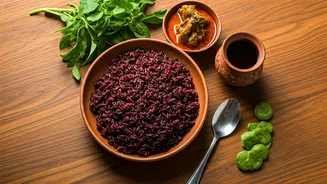
The culinary adventure in Assam extends far beyond these pillars. The cuisine makes extensive use of ingredients that are rare elsewhere, such as duck, pigeon, and banana flowers. Duck meat curry, often cooked with ash gourd (kumurat diya hanhor mangxo), is a celebrated delicacy reserved for special occasions. Fermented bamboo shoots (khorisa) add a pungent, tangy note to pork and fish dishes. And no festive occasion, especially Bihu, is complete without pitha—a diverse category of rice cakes made from glutinous bora saul rice. These can be sweet or savoury, steamed in bamboo tubes (sunga pitha), or fried (ghila pitha), each a delicious symbol of celebration.