
The humble chickpea sandwich is a plant-based champion, but its greatest strength can also be its downfall. Achieving that perfect balance of creamy, chunky, and crunchy is an art. Too often, it ends up as a one-note, mushy paste.
Mastering the Chickpea Base
The foundation of your
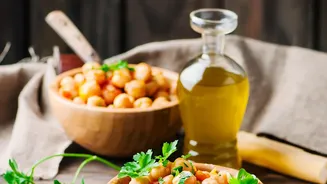
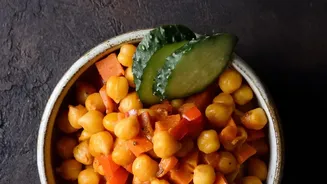
sandwich starts with how you treat the chickpeas. The goal is a texture that is partially smooth but still has plenty of structure. Mashing the beans with a fork or a potato masher gives you the most control. This manual method allows you to break down most of the chickpeas while leaving some half-mashed or even whole for textural variety. If you prefer a food processor, use short, quick pulses instead of letting it run, which can quickly turn your base into hummus. Whichever method you choose, make sure your chickpeas are well-drained and rinsed. Excess water is the enemy of good texture and will result in a loose, watery filling.
Choosing a Creamy Binder
Once you have your mashed chickpeas, the next step is adding a binder to bring it all together. This is where you build the creamy element that contrasts with the other textures. Mayonnaise, whether traditional or vegan, is a classic choice for a rich and velvety feel. For a tangier and lighter option, plain Greek yogurt works beautifully. You can also use hummus or tahini for a nuttier, earthier flavor. The key is to add the binder sparingly at first. You can always add more, but you can't take it away. Too much will overwhelm the chickpeas and create that dreaded mushy consistency. The binder should coat the chickpeas, not drown them. Some recipes even suggest using a bit of the reserved chickpea liquid, or aquafaba, to help create a creamy consistency without adding too much fat.
The Crucial Art of the Crunch
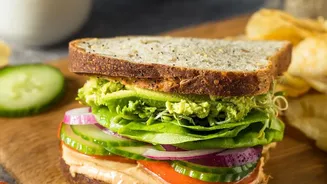
A great chickpea sandwich is defined by its textural contrast. Without a crunchy component, the experience can feel flat and uninteresting. This is where you can get creative. Finely diced celery and red onion are staples for a reason—they provide a fresh, sharp crunch that cuts through the creaminess. Other excellent additions include diced bell peppers, shredded carrots, and radishes. For a different kind of crunch, consider adding toasted nuts like walnuts or cashews, or seeds like sunflower or pumpkin seeds. These not only add texture but also a deeper, roasted flavor. Remember to add these crunchy ingredients after you've mashed the chickpeas and mixed in the binder to ensure they stay crisp and are evenly distributed.
The Foundation: Bread and Final Touches
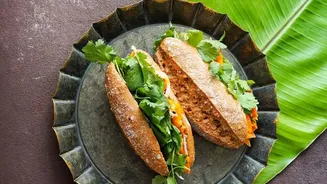
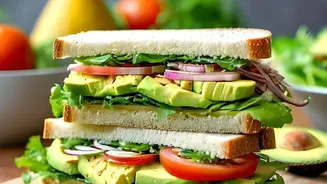
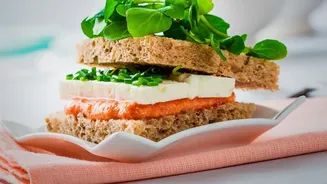
The final element in balancing texture is the vessel for your chickpea salad. Using soft, pillowy bread can lead to a soggy sandwich, especially if it's not being eaten immediately. Opt for a sturdier bread with a good crust, such as sourdough or a whole-grain loaf. Toasting the bread is a non-negotiable step; it creates a firm barrier that stands up to the creamy filling and adds another layer of crunch. Beyond the bread, don't forget the final garnishes. A crisp lettuce leaf, some sliced pickles for a tangy snap, or fresh tomato slices can all enhance the overall textural experience, making each bite interesting from start to finish.