





The Great Protein Fixation
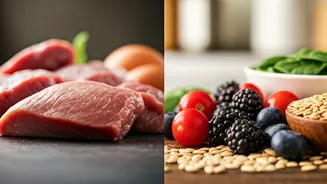
For the last decade, protein has been the undisputed star of the nutrition world. [8] From protein bars and powders to fortified cereals and snacks, it has dominated health conversations, and for good reason. [26, 8] Protein is an essential macronutrient,
crucial for building and repairing tissues, supporting immune function, and maintaining muscle mass. [3, 4] Its popularity has been fuelled by the fitness boom, where it's hailed for muscle growth, and by the wellness industry for its ability to promote satiety, which can aid in weight management. [23, 24] Food brands have capitalised on this, turning protein into a marketing buzzword that signals health and strength to consumers. [23, 26] However, this intense focus can create a nutritional blind spot, leading us to neglect other vital components of a healthy diet.
Fibre: The Unsung Hero of Gut Health
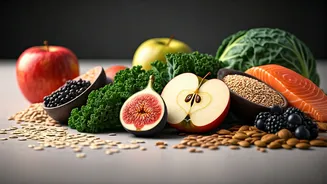
While protein builds the body's structure, fibre is the nutrient that runs the system. [8] Dietary fibre is a type of carbohydrate found in plant foods like fruits, vegetables, whole grains, and legumes that the body cannot digest. [2, 4] Instead, it passes through our digestive system, playing a fundamental role in our overall health. [14] There are two types: soluble fibre, which dissolves in water to form a gel-like substance, and insoluble fibre, which adds bulk to stool. [2, 10] Most people, however, are not getting enough. [3] In India, for instance, many urban populations consume only about 15g of fibre per day, well below the recommended 25-30g. [22] This deficit can have significant consequences for our health.
The System-Wide Benefits of Fibre
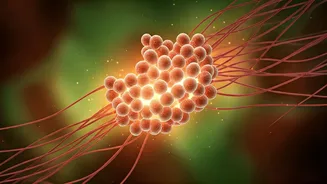
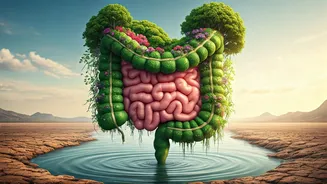
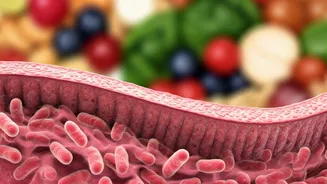
Fibre is often pigeonholed as something that just prevents constipation, but its benefits are far more extensive. A high-fibre diet supports healthy digestion and regular bowel movements, reducing the risk of issues like haemorrhoids. [2] Soluble fibre is particularly effective at lowering LDL ('bad') cholesterol levels and helps to slow the absorption of sugar, which is crucial for managing blood sugar levels and reducing the risk of type 2 diabetes. [2, 7, 10] Furthermore, fibre is essential for a healthy gut microbiome. It acts as a prebiotic, feeding the beneficial bacteria in our gut. [3, 14] These microbes, when well-fed, produce short-chain fatty acids that reduce inflammation, strengthen the gut barrier, and support immune function. [19, 21] In short, while protein builds muscle, fibre builds a resilient internal ecosystem.
The Risk of Imbalance
The problem isn't protein itself, but the overemphasis on it at the expense of fibre. A high-protein diet that's low in fibre can lead to digestive issues like constipation. [25, 28] Some high-protein diets that heavily feature red and processed meats while limiting carbohydrates (and thus fibre) can be high in saturated fats, potentially increasing the risk of heart disease. [29] The key is not to view protein and fibre as competitors, but as partners. [3, 4] Many whole foods are excellent sources of both. A balanced diet ensures you get the structural benefits of protein and the regulatory, system-wide advantages of fibre.
Boosting Your Fibre Intake the Indian Way
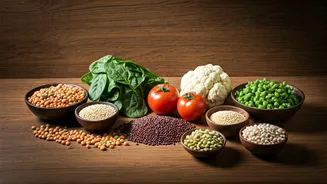
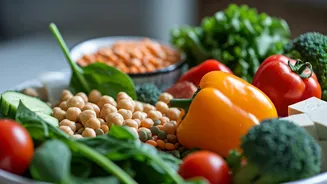
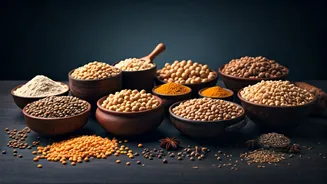
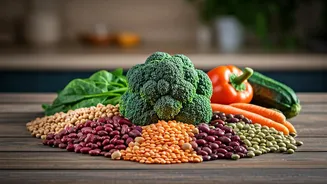
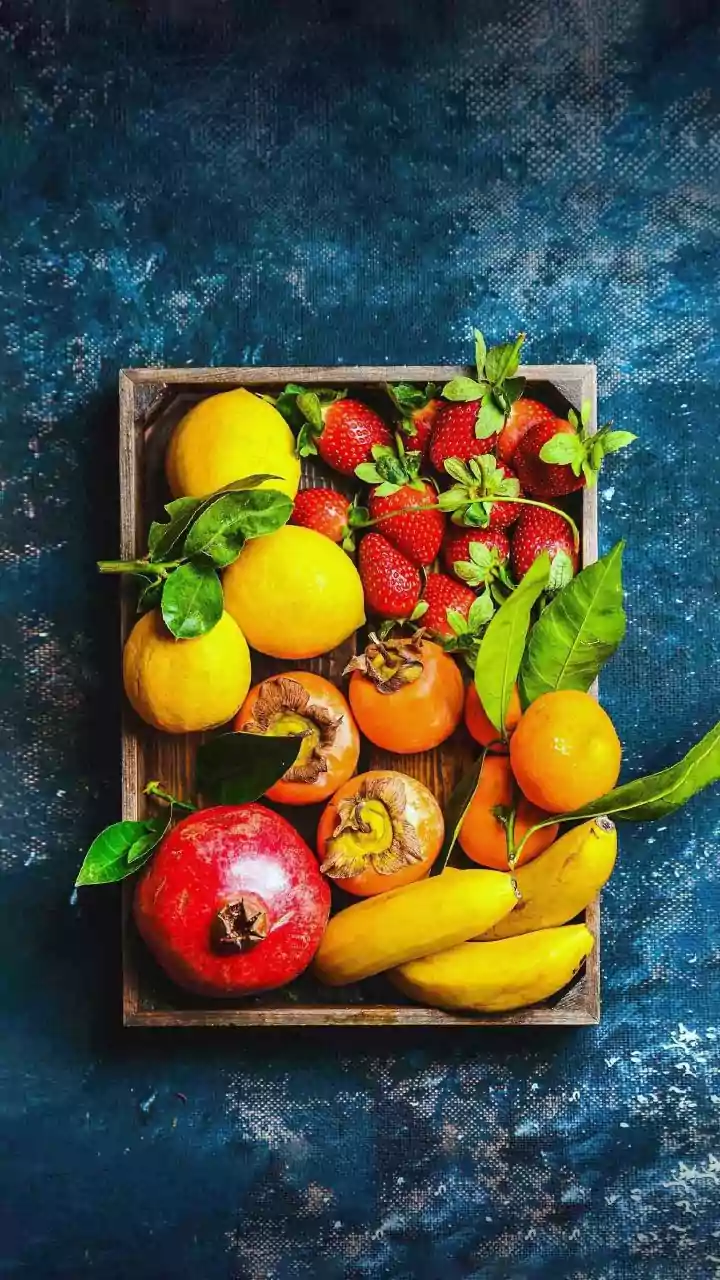
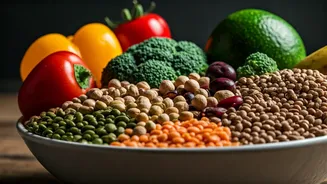
Fortunately, a traditional Indian diet is naturally rich in fibre sources, and re-incorporating them is simple. [13] * Embrace Millets: Swap refined grains for whole grains. Instead of just white rice, include millets like ragi (finger millet), jowar (sorghum), and bajra (pearl millet) in your rotis or as a rice substitute. [5, 9] * Load Up on Legumes: Dals (lentils), chana (chickpeas), and rajma (kidney beans) are staples for a reason. They are powerhouses of both protein and fibre. [5, 11] Including them in at least one meal a day is an easy win. * Eat Your Vegetables: Don't skimp on sabzi. Vegetables like spinach, bhindi (okra), carrots, and beans are fantastic sources of fibre. [11, 13] * Fruit is Your Friend: Snack on fruits like guava, papaya, apples, and bananas. [5] Guava, in particular, is one of the most fibre-rich fruits available in India. [12, 13] * Smart Snacking: Swap processed snacks for roasted chana, makhana (fox nuts), or a handful of nuts and seeds. [5, 13]