

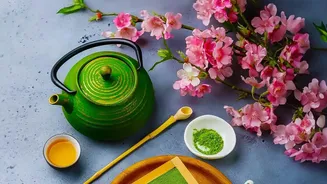

A Superfood Story
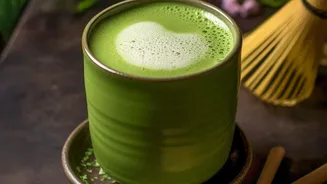
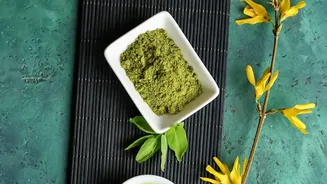
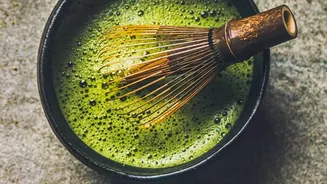
Before it was a latte, matcha was a cornerstone of Japanese tea ceremonies for centuries. It's a powder made from finely ground, shade-grown green tea leaves. Unlike regular green tea where you steep and discard the leaves, with matcha, you consume the entire
leaf. This means you ingest a higher concentration of its nutrients. Proponents celebrate it as a superfood packed with antioxidants like EGCG, which are believed to have anti-inflammatory properties and support cell health. This powerful health narrative is a primary driver of its popularity, especially among wellness-focused millennials and Gen Z. In a country with a rich tea heritage, matcha is being positioned as a modern, healthier upgrade to traditional beverages.
The Calm-Alert Buzz
Many coffee drinkers are familiar with the jitters and the eventual afternoon crash. Matcha offers a different kind of energy. It contains caffeine, typically a bit less than a shot of espresso, but it's delivered differently. The presence of an amino acid called L-theanine is key; it promotes relaxation and focus, counteracting the harsh effects of caffeine. The result is often described as a state of 'calm alertness', a steady energy without the anxiety or sudden slump. This appeals directly to the stressed-out young professionals of a bustling tech city like Bengaluru, who are increasingly seeking products that support mental wellbeing and productivity.
Made for the Instagram Feed
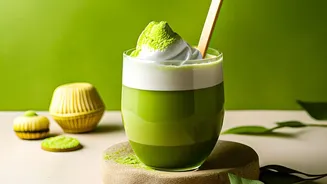
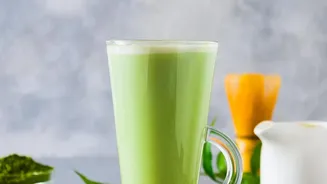
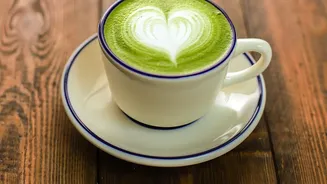
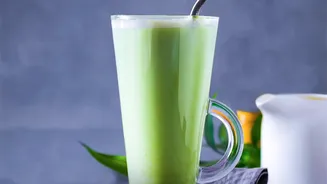
Let’s be honest: matcha is incredibly photogenic. Its vivid, almost neon green hue makes for a stunning visual, especially when swirled into a creamy latte. In the age of social media, the aesthetic appeal of a food or drink is a powerful marketing tool. Bengaluru's new-age cafes, known for their minimalist, 'gram-worthy interiors, provide the perfect backdrop. Ordering a matcha is not just about a beverage choice; it’s about participating in a visual trend. Cafes have capitalised on this, creating beautiful layered drinks that are practically designed to be shared online, turning customers into organic advertisers and cementing matcha's status as a trendy, desirable product.
The Bengaluru Cafe Connection
Bengaluru is one of the top cities for matcha consumption in India, alongside Mumbai and Delhi. The city's café culture is dynamic and quick to adopt global trends. An explosion of specialty coffee shops and aesthetically-driven 'third-wave' cafes has created a customer base that is willing to pay a premium for new experiences. A customer accustomed to paying ₹300-350 for a specialty cold brew won't hesitate to spend a similar amount on a matcha latte. Cafes like Sakura Matcha Bar, which is wholly dedicated to the drink, and others that feature it prominently like Got Tea and The Kind Roastery, have normalised its presence and built a cult following.
More Than a Drink, It's a Status Symbol
Priced anywhere from ₹250 to ₹450 in a cafe, a matcha latte is an affordable luxury and a signal of sophistication. It aligns with a global wellness movement and shows that the consumer is health-conscious and in tune with current trends. In many ways, it's the antithesis of the humble filter coffee or street-side chai. While those drinks are about accessibility and tradition, ordering a matcha is a statement. It suggests a modern identity, an interest in global culture, and the financial ability to invest in one's wellbeing—a powerful combination in an aspirational, upwardly mobile city. The high price is partly due to the labour-intensive production process and import costs, but it also reinforces its premium positioning.