





The Classic Sabudana Khichdi
A staple during any fast, Sabudana Khichdi is a beloved choice for good reason. Made from tapioca pearls, this dish is a fantastic source of carbohydrates, providing an instant energy boost to start your day. For a lighter feel that's ideal for the monsoon
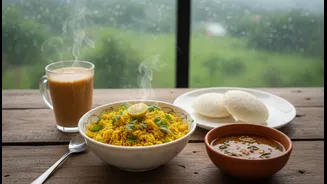
when digestion can be sluggish, prepare it with minimal ghee or oil, a generous helping of roasted peanuts for protein and crunch, and a simple tempering of cumin seeds and green chillies. It’s naturally gluten-free and easy on the stomach, making it a comforting and practical breakfast. A final squeeze of lemon juice adds a fresh tang and aids in nutrient absorption.
Wholesome Samak Pulao
Samak rice, also known as barnyard millet, is not a true grain but a seed, making it a popular and permissible food during Shravan fasts. A simple pulao made from these tiny, quick-cooking millets is both light and incredibly satisfying. You can sauté the rinsed millets with cubed potatoes, ginger, and green chillies in a little ghee. Adding peanuts provides healthy fats and texture. This dish is easily digestible and offers a wealth of nutrients, including iron and potassium, providing sustained energy without feeling heavy. Serve it with a side of plain curd for a complete and balanced meal.
Nutrient-Packed Rajgira Cheela
Rajgira, or amaranth flour, is a powerhouse of nutrients and another excellent gluten-free option for fasting. A savoury pancake or 'cheela' made from rajgira atta is a quick, filling, and protein-rich breakfast. The batter can be made by mixing the flour with water, rock salt (sendha namak), grated potatoes or other vrat-friendly vegetables, and mild spices like black pepper and chopped green chillies. Cooked on a lightly oiled tawa until golden and crisp, these cheelas are delicious and provide lasting energy. Amaranth is rich in protein and fibre, helping you stay full and satisfied through the morning.
Creamy Makhana Porridge
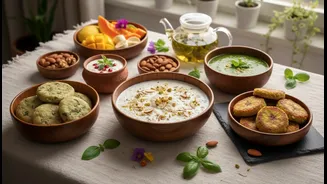
Makhana, or fox nuts, are incredibly light yet provide a feeling of fullness, making them an ideal food for fasting. While often eaten roasted as a snack, they can be transformed into a wonderfully creamy and comforting porridge for breakfast. Simply roast the makhana until crisp, grind them into a coarse powder, and then simmer with milk until the mixture thickens. You can sweeten it lightly with jaggery or a little sugar and add cardamom for flavour. For a richer, more filling version, add a handful of chopped almonds and walnuts. This porridge is not only soothing on a rainy morning but also packed with essential minerals.
Fruit Chaat with a Twist
Perhaps the simplest and most refreshing breakfast, a bowl of fresh fruit provides natural sugars, vitamins, and hydration. During Shravan, a variety of seasonal fruits are available. Create a vibrant fruit chaat with chopped bananas, apples, papaya, and pomegranate seeds. Instead of regular salt, sprinkle a pinch of sendha namak and a bit of black pepper powder to enhance the flavours. For a more filling option, add a bowl of fresh yoghurt or a handful of nuts like almonds and walnuts on the side. This no-cook breakfast is perfect for days when you want something instantly refreshing and light.
Kuttu ke Atte ki Puri with Aloo Sabzi
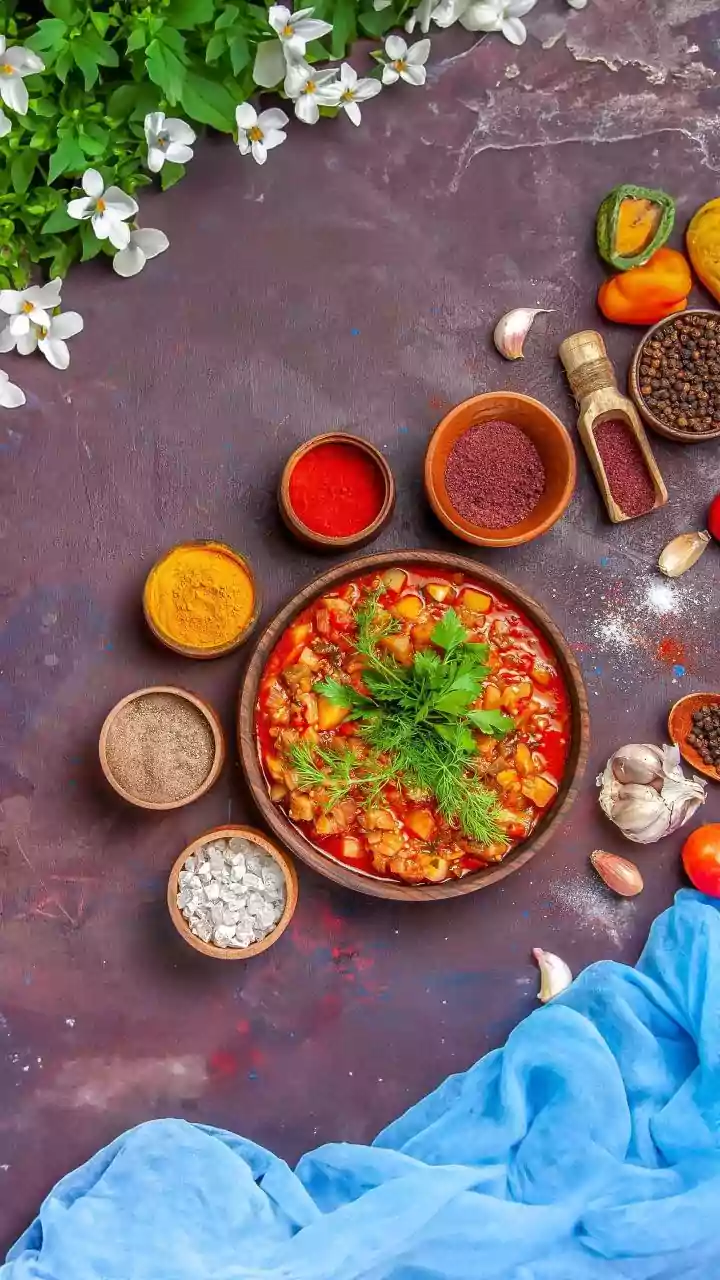
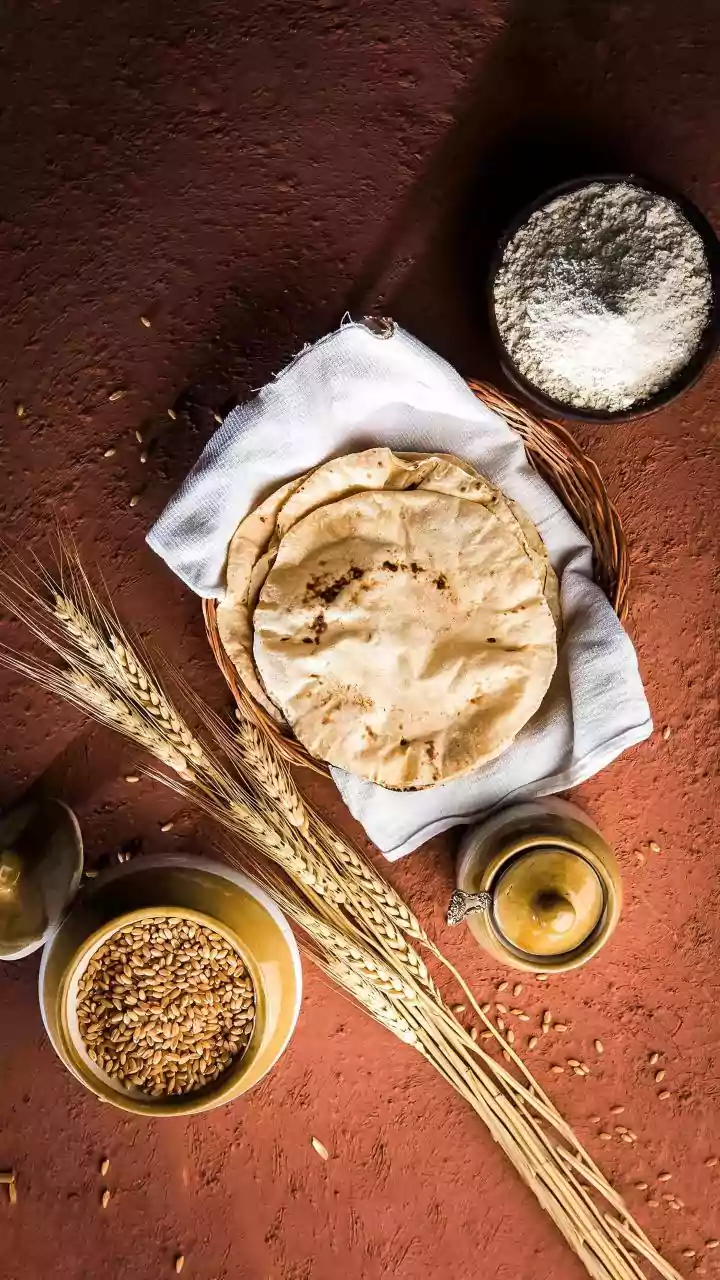
For those mornings when you crave something more substantial, puris made from kuttu (buckwheat) flour are a classic choice. Buckwheat is a gluten-free pseudo-cereal packed with protein, fibre, and minerals. A dough is made from kuttu atta, mashed potatoes, and sendha namak, then rolled into small discs and fried. While 'fried' might not sound light, these puris are typically small and served in moderation. Paired with a simple and light aloo ki sabzi (potato curry) made without onions or garlic, this combination is the ultimate comfort food for a rainy day, offering a perfect balance of carbohydrates and flavour to keep you energised.