



Our Sun’s Rhythmic Temper
The Sun may seem constant, but it operates on an approximately 11-year cycle of activity, swinging between a quiet phase called solar minimum and a turbulent peak known as solar maximum. This cycle is tracked by the number of sunspots on its surface —
dark, cooler areas of intense magnetic activity. During solar maximum, the sun's magnetic field becomes tangled and chaotic, leading to a dramatic increase in solar phenomena. Predictions for the current cycle, Solar Cycle 25, suggest we are in a period of heightened activity, which has proven to be stronger than initially forecasted. This makes understanding and tracking its behaviour more important than ever.
When the Sun Erupts
Two major types of solar eruptions pose a threat to our technology: solar flares and Coronal Mass Ejections (CMEs). A solar flare is an intense burst of radiation, primarily X-rays, that can reach Earth in about eight minutes. These can disrupt the ionosphere, the charged upper layer of our atmosphere, interfering with high-frequency radio communications. CMEs are even more powerful. These are giant clouds of magnetised plasma and particles hurled from the Sun, travelling at millions of miles per hour. While a flare is like the muzzle flash of a cannon, a CME is the cannonball itself, and if it's aimed at Earth, it can trigger significant geomagnetic storms.
Satellites in the Firing Line
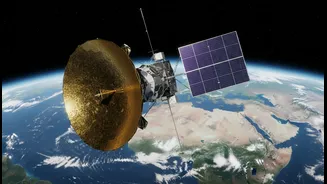
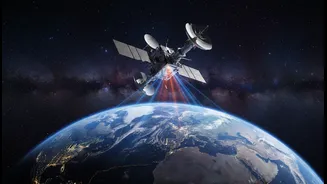
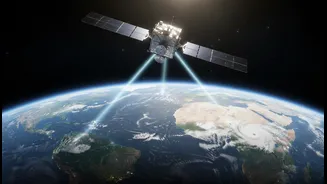
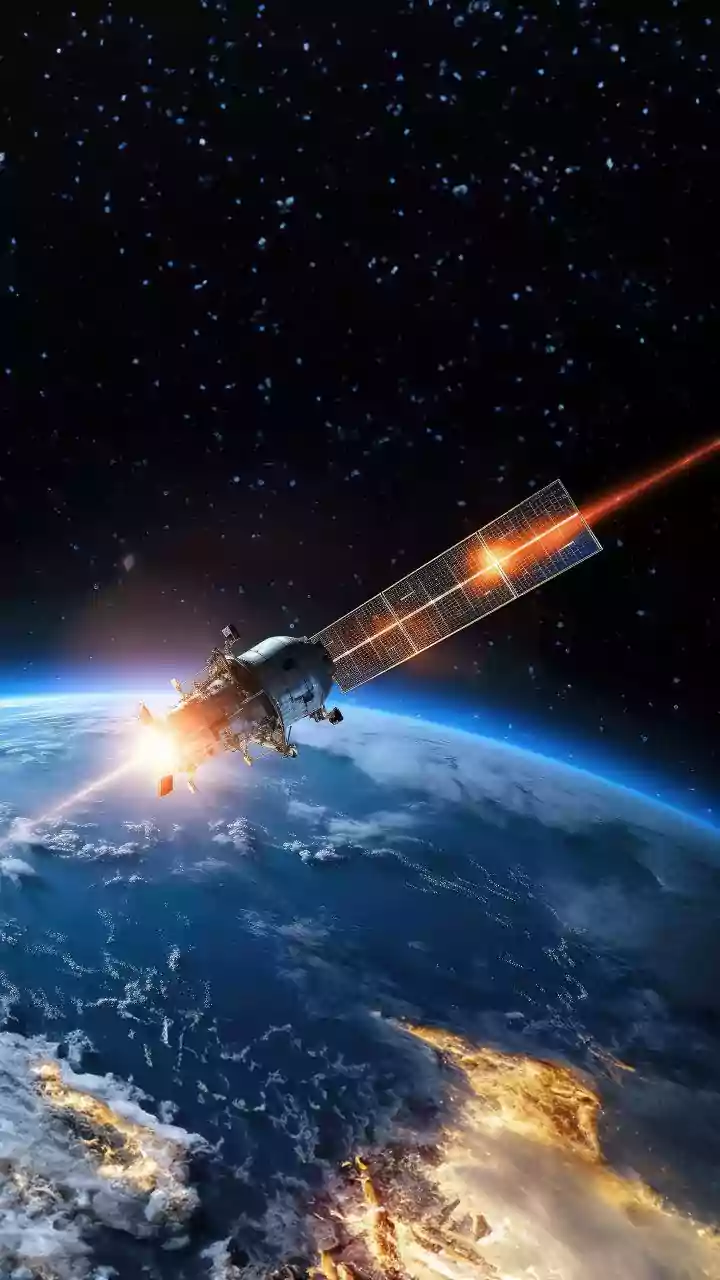
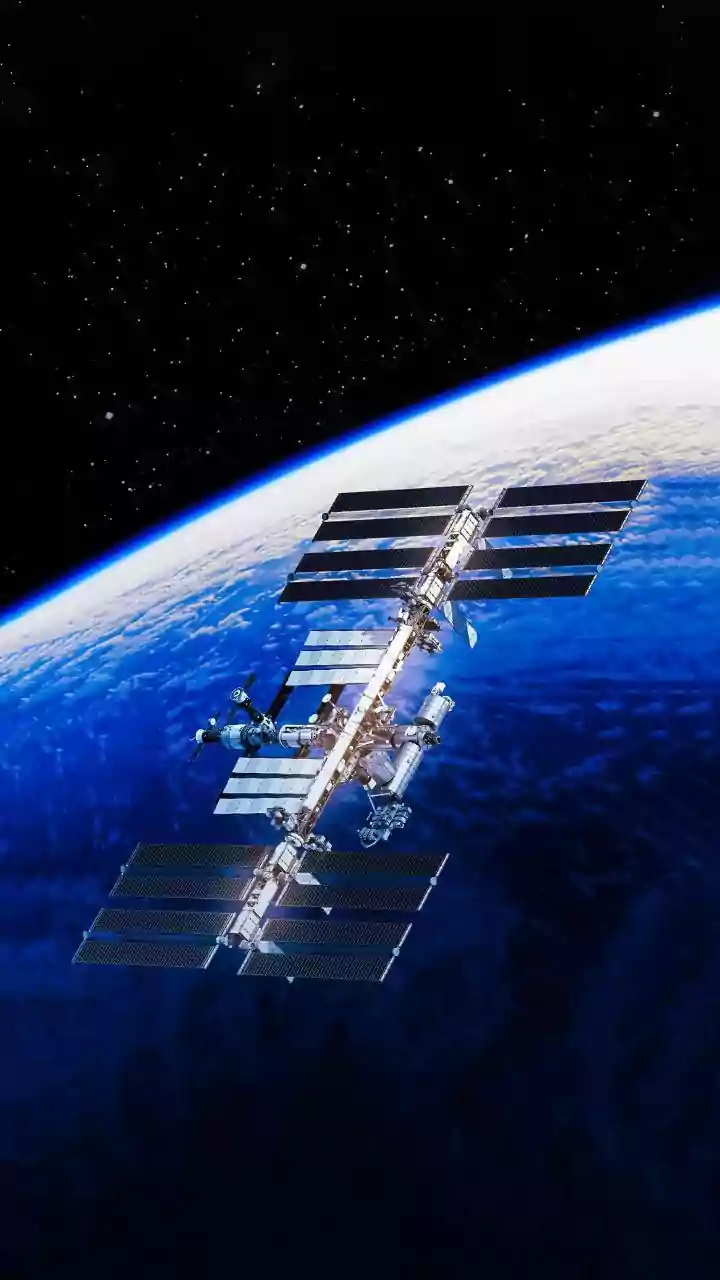
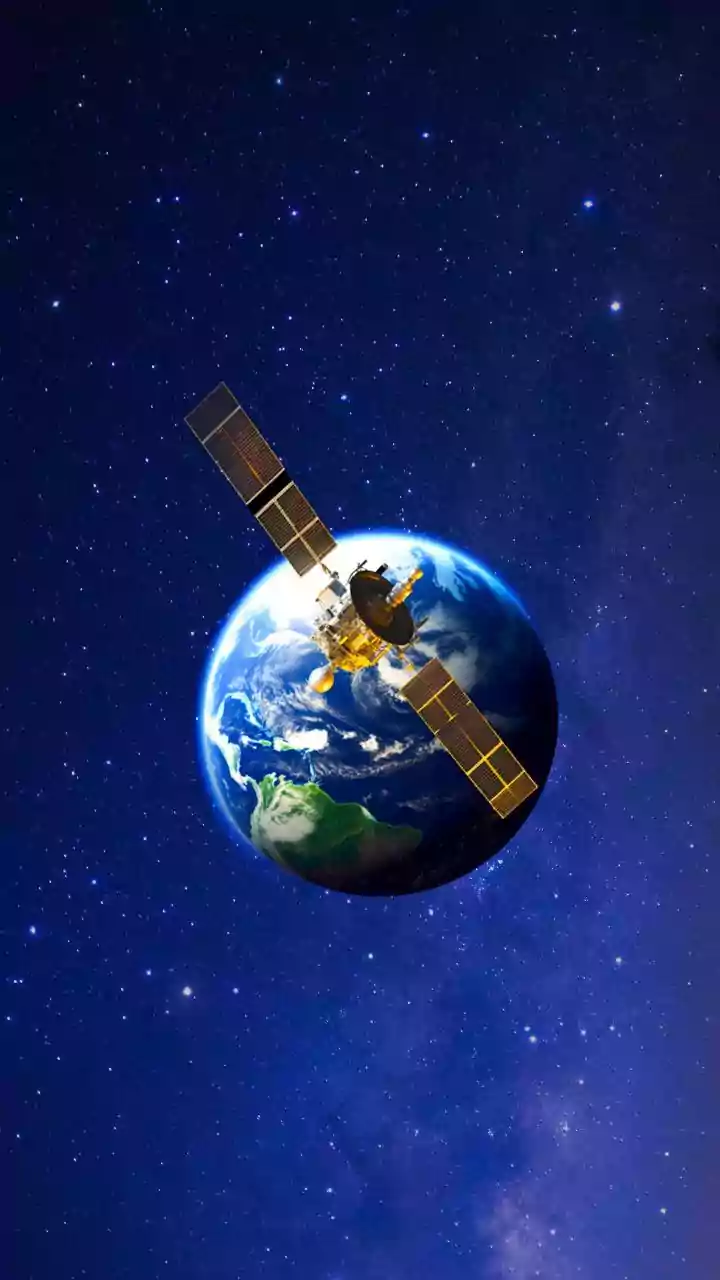
When this solar material slams into Earth's environment, it can wreak havoc on satellites in several ways. First, the energy heats the upper atmosphere, causing it to expand. This increases the atmospheric drag on satellites in Low Earth Orbit (LEO), slowing them down and potentially causing them to fall out of orbit and burn up. In February 2022, a geomagnetic storm caused the loss of 38 commercial satellites due to this very effect. Second, high-energy particles from a flare or CME can bombard a satellite's sensitive electronics, causing malfunctions, data corruption, or even permanent failure — essentially 'frying' its circuits. Finally, the disruptions to the ionosphere can scramble and block the radio signals that satellites use to communicate with the ground, making GPS navigation unreliable and interrupting services like satellite TV.
The Data Detectives and India’s Watchful Eye
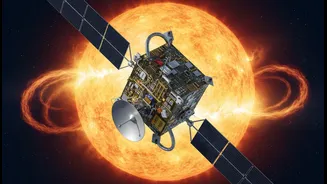
This is where tracking data becomes critical. Agencies like the USA's NOAA Space Weather Prediction Center (SWPC) and the Indian Space Research Organisation (ISRO) act as space weather forecasters. They use a network of ground-based and space-based observatories, including India's own Aditya-L1 mission, to monitor the Sun in real-time. Scientists track the number, size, and magnetic complexity of sunspots, which helps them forecast the likelihood of a flare. Satellites positioned between the Sun and Earth, like the Aditya-L1, can directly measure the solar wind and detect CMEs, giving us a crucial lead time — from hours to days — to prepare for a potential impact. This data allows agencies like ISRO to issue warnings to satellite operators, who can then take protective measures like temporarily shutting down non-essential systems or reorienting their spacecraft to minimise damage.