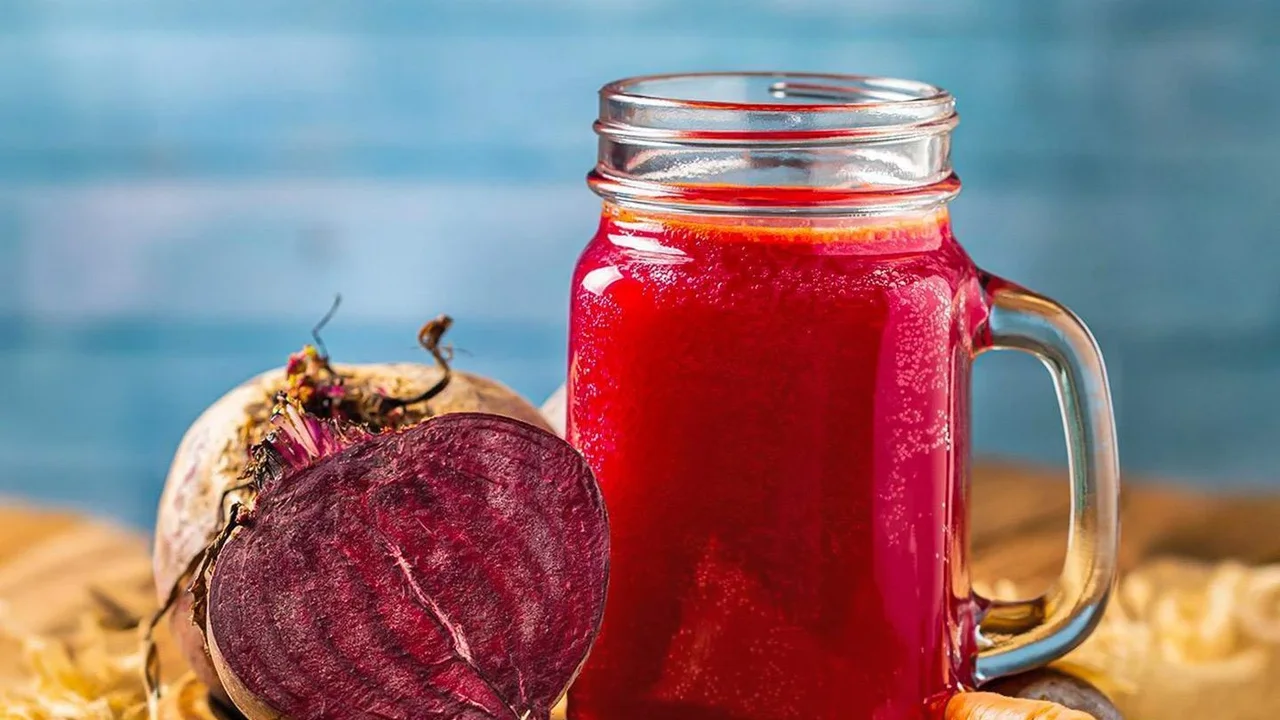








The Humble Beetroot’s Secret Weapon
For years, athletes have sought an edge, often turning to complex supplements. Yet, growing research points towards the simple beetroot as a source of a potent performance enhancer: inorganic nitrate. Found abundantly in beetroot and other leafy green
vegetables like spinach and arugula, dietary nitrates are compounds that, once consumed, trigger a remarkable chain reaction in the body. This process is at the heart of why so many athletes, from professionals to weekend warriors, are adding beetroot juice to their training regimens. The core idea is that by increasing nitrate availability, you can enhance your body's production of a crucial molecule that directly impacts muscle function.
The Nitrate-to-Nitric Oxide Pathway
The magic begins when you consume nitrate-rich foods. Bacteria in your mouth convert the nitrate (NO3−) into nitrite (NO2−). This nitrite then circulates in your blood and, in areas of low oxygen—like your muscles during intense exercise—it gets converted into nitric oxide (NO). Nitric oxide is a powerful vasodilator, meaning it helps to relax and widen your blood vessels. This widening effect improves blood flow, allowing more oxygen and nutrients to be delivered to your hardworking muscles while also helping to clear out metabolic byproducts more efficiently. Essentially, it makes your body’s internal plumbing work better when it matters most.
Fuelling Fast-Twitch Muscle Fibres
High-velocity sprints are explosive efforts that rely heavily on fast-twitch muscle fibres. These are the fibres responsible for generating high levels of force very quickly. Research suggests that the nitric oxide produced from dietary nitrates has a particular affinity for these fast-twitch muscles. It appears to enhance the efficiency of muscle contraction, meaning the muscle can produce the same amount of force with less energy cost. Some studies indicate that NO can improve muscle calcium handling, which is critical for initiating powerful contractions, and may even enhance muscle speed and power during maximal, all-out efforts. This makes your muscles not just better-fed with oxygen, but fundamentally more efficient at the contractile level, which is crucial for sprint performance.
Decoding 'Micro-Dosing' for Athletes
The term 'micro-dosing' might evoke other contexts, but in athletics, it refers to taking small, consistent, and scientifically-backed amounts of a substance for a performance benefit. For beetroot nitrates, this isn't about taking minuscule, unproven amounts. Instead, it refers to a specific, effective dosage. Research points to a target of 300-600 mg of dietary nitrate per serving to see a performance benefit. This is typically achieved by drinking around 500ml of standard beetroot juice or a smaller, 70ml concentrated 'shot'. For optimal results, this dose should be consumed around 2-3 hours before exercise, allowing time for the nitrate-to-nitric oxide conversion to peak. Some athletes also 'load' by taking a daily dose for 3-7 days leading up to a key event to maximize their body's nitrite stores.
Practical Use and Considerations
While many studies support the benefits of beetroot for high-intensity efforts, it's worth noting the research is not unanimous, with some studies finding no significant improvement in repeated sprint tests. The effect can also be more pronounced in recreational athletes than in highly elite ones, whose bodies are already operating at peak efficiency. If you decide to try it, opt for juice or powder with a clearly stated nitrate content. Be aware of a common, harmless side effect called beeturia—pink or red urine and stools—which affects about 10-14% of people. Also, because nitrates can lower blood pressure, individuals with hypotension (low blood pressure) or those on blood pressure medication should exercise caution and consult a doctor. Finally, since oral bacteria are essential for the first step of conversion, avoid using antibacterial mouthwash close to when you take your dose, as it can negate the effects.