





The Great Monsoon Myth: No Sun, No Problem?
It’s a common belief: if the sun isn’t visible, your skin is safe. Many people tuck their sunscreen away once the monsoon arrives, thinking the dense cloud cover provides a natural shield against sun damage. However, this is a dangerous misconception.
[14, 15] Dermatologists and skin experts unanimously agree that sunscreen is a non-negotiable, 365-day commitment, regardless of the weather. [5, 14] The cooler temperatures and overcast skies can create a false sense of security, but the invisible threat to your skin doesn't take a rain check. [5, 19] In fact, neglecting SPF during these months can lead to cumulative damage that you may only notice later in the form of tanning, dark spots, and premature ageing. [5, 17]
Decoding the Danger: UVA vs. UVB Rays
To understand why sunscreen is still crucial, it's important to know about the two main types of ultraviolet (UV) rays that reach the Earth's surface: UVA and UVB. [11, 12] UVB rays have a shorter wavelength and are the primary cause of sunburn. [10, 11] Their intensity decreases on cloudy days. UVA rays, on the other hand, have a longer wavelength. They penetrate deeper into the skin, breaking down collagen and leading to premature ageing, wrinkles, and long-term damage. [9, 11] Crucially, UVA rays are present with consistent intensity all year round, and they can easily penetrate through clouds and even window glass. [9, 10, 11, 22] So, while you might not get a sunburn as quickly during the monsoon, the skin-ageing UVA rays are still affecting your skin every time you step out or sit near a window. [9, 19]
The Truth About Clouds and UV Rays
Clouds are not the UV-blocking shield we wish they were. Studies show that up to 80% of the sun's UV rays can pass through cloud cover. [1, 5, 8, 12, 17, 20] The level of protection depends on the thickness and type of clouds, but even a fully overcast sky doesn't eliminate the risk. [13] In some situations, a phenomenon known as the “broken-cloud effect” can even enhance UV radiation levels. [1, 21] Scattered clouds can reflect and scatter the rays, sometimes making the UV exposure on the ground even higher than on a perfectly clear day. [13, 21] Furthermore, wet surfaces like roads and puddles can reflect UV rays, increasing your overall exposure. [17]
Choosing Your Monsoon Sunscreen
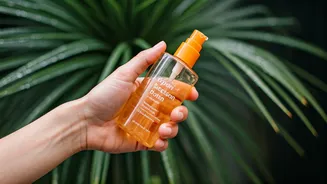
The high humidity and occasional downpours of the monsoon call for a specific type of sunscreen. A thick, creamy formula might feel heavy and sticky in the humid weather. [14, 16] Instead, experts recommend opting for lightweight, non-greasy, and water-resistant formulas. [2, 20] Gel-based or serum-based sunscreens are excellent choices as they absorb quickly without clogging pores, making them ideal for oily and acne-prone skin. [2, 7, 20] Always look for a “broad-spectrum” sunscreen, which means it protects against both UVA and UVB rays. Dermatologists generally advise using an SPF of 30 or higher; for extended time outdoors, SPF 50 is recommended. [8, 15, 20]
Application is Everything: How to Do It Right
Simply owning the right sunscreen isn’t enough; proper application is key to effective protection. Sunscreen should be the last step in your skincare routine, applied about 15-20 minutes before you head outdoors. [8, 15] A common mistake is not using enough. For your face and neck, a generous amount is required. One of the most critical rules, especially during the monsoon, is reapplication. Rain, sweat, and humidity can cause sunscreen to wear off more quickly. [7, 8] It's essential to reapply your sunscreen every two to three hours, particularly if you've been caught in the rain or have been sweating. [7, 8, 10]