








Why This Trend Is Booming
The shift towards budget-friendly healthy eating isn't happening in a vacuum. It’s a direct response to a perfect storm of modern pressures. Firstly, persistent food inflation has made every household more conscious of its grocery bills. The cost of everything,
from vegetables to cooking oil, has prompted a search for value. Secondly, the post-pandemic era has instilled a deeper, more personal focus on health and immunity. People are actively seeking ways to nourish their bodies, moving away from processed foods towards whole, natural ingredients. Finally, social media has played a huge role. Influencers and food bloggers are showcasing delicious, vibrant, and affordable meals, busting the myth that healthy eating is an expensive, exclusive club. This combination of economic necessity and wellness aspiration has made frugal, nutritious eating a celebrated skill.
Embrace the Power of 'Ghar ka Khana'
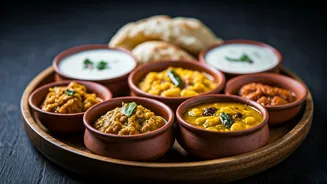
The single most effective strategy for eating well on a budget is embracing home-cooked meals. Restaurant and takeaway orders include costs for labour, rent, and profit, which significantly inflate the price of your food. Cooking at home gives you complete control over ingredients, portion sizes, and, most importantly, your spending. It allows you to avoid hidden sugars, unhealthy fats, and excessive sodium commonly found in commercially prepared food. Reviving the tradition of 'ghar ka khana' is not just about nostalgia; it's a powerful economic and health decision. Start by committing to cooking one extra meal at home per week and gradually increase as you build confidence. You'll notice the savings almost immediately.
Become a Smart Shopper
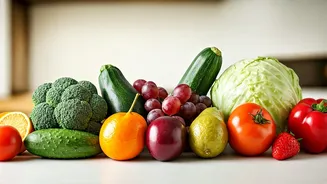
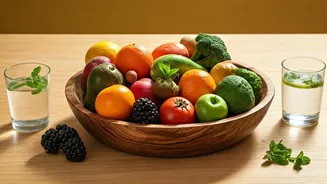
Your savings journey begins at the market. Instead of reaching for fancy imported goods and pre-packaged items, focus on the basics. Build your pantry around staples that form the backbone of Indian cuisine: dals (lentils), legumes like chickpeas and rajma, and whole grains. These are inexpensive, nutrient-dense, and incredibly versatile. When it comes to produce, always buy seasonal. Seasonal fruits and vegetables are at their peak in flavour and nutritional value, and because they are abundant, they are also at their lowest price. Visiting your local 'sabzi mandi' or neighbourhood vendor is often cheaper than shopping at a large supermarket, which has higher overheads. Make a list before you go and stick to it to avoid impulse buys that wreck your budget.
Rediscover India's Original Superfoods
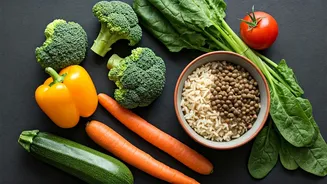
The wellness world is obsessed with expensive 'superfoods' like quinoa and kale, but India has its own treasure trove of affordable, nutrient-packed ingredients. Millets, such as ragi, jowar, and bajra, are a prime example. They are gluten-free, rich in fibre and micronutrients, and incredibly budget-friendly. They can be easily substituted for rice or used to make rotis, dosas, and porridges. Similarly, dals are a fantastic source of plant-based protein that costs a fraction of what meat or expensive protein powders do. Including a variety of dals and millets in your weekly diet is a simple, effective way to boost nutrition without increasing your grocery spend. Don't forget spices like turmeric, which has powerful anti-inflammatory properties and adds flavour without calories or cost.
Master the Art of Meal Planning
Food waste is wasted money. The best way to combat it is through meal planning. Take an hour each weekend to plan your main meals for the week ahead. Based on your plan, create a detailed grocery list. This simple habit prevents last-minute panic buys and ensures you use up everything you purchase. Meal prepping—cooking components or full meals in advance—is the next step. Cook a large batch of dal, boil some chickpeas, or chop vegetables for the next two to three days. Having healthy options ready to go makes it easier to resist the temptation of ordering expensive, unhealthy food on busy weeknights. It turns your kitchen into a well-oiled, cost-effective machine.