




The Art of Slow Decorating
A collected interior is less a specific style and more a philosophy. It’s the antithesis of buying a showroom’s entire display in one afternoon. Instead, it embraces “slow decorating,” a mindful approach that prioritizes quality over quantity and personal
meaning over fleeting trends. The goal is to curate a home that evolves organically over time, filled with pieces that are either useful or beautiful, and ideally both. These homes feel layered and authentic because they are assembled through life experiences—not styled for a single moment. This process encourages patience and reduces regrettable impulse buys, resulting in a space that is sustainable, budget-friendly, and deeply personal.
Curating Your Travels
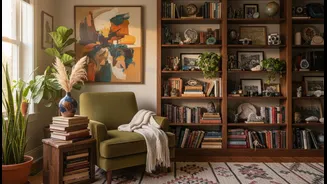
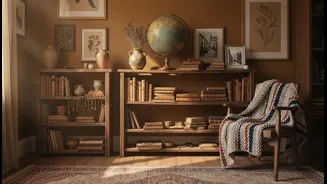
One of the richest sources for a collected home is your own journey through the world. Instead of generic souvenirs, look for items that can be integrated into your daily life. This could be hand-painted ceramic bowls from a market, a woven textile that can be used as a table runner or wall hanging, or a small sculpture that catches your eye. Displaying these treasures keeps memories alive. A gallery wall can feature postcards, maps, and small framed prints from your adventures. Grouping items by color or destination on open shelving can create a cohesive and visually interesting display. The key is to choose pieces that have a story and a genuine connection to your experience, turning your home into a beautiful reminder of where you’ve been.
Heirlooms as Heritage
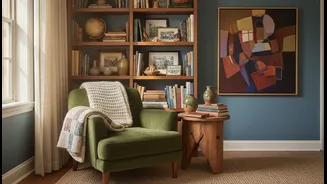
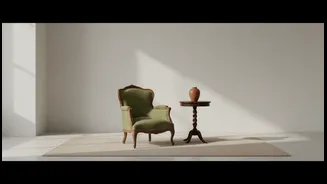
Family heirlooms provide an immediate link to your personal history and add a layer of depth that new items simply cannot replicate. The challenge often lies in making these older pieces feel at home in a contemporary setting. Don't be afraid to give them a modern update. A vintage armchair can be reupholstered with a fresh, modern fabric, while an old wooden dresser can be given a new coat of paint. Another strategy is to create contrast. A traditional, ornate mirror can look stunning above a sleek, modern console table. You can also repurpose items in unexpected ways, such as using old quilts as wall hangings or turning vintage linens into cushion covers. By blending past and present, you honor your family’s story while creating a space that feels uniquely yours.
Finding Beauty in the Everyday
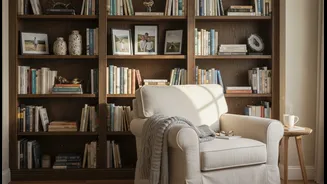
A collected home also celebrates the beauty found in ordinary life. Your decor doesn't have to be sourced from far-flung locations or passed down through generations. Meaningful objects can be discovered in your daily routines. A stack of beloved coffee table books can add color and height to a surface. A collection of smooth stones from a favorite walking trail, displayed in a simple glass jar, can become a sculptural element. Even a child’s drawing, when placed in a smart frame, becomes a piece of personal art. The idea is to surround yourself with items that evoke positive emotions and memories. By paying attention to the objects you use and love every day, you can elevate them from simple possessions to integral parts of your home's story.
Patience and The Art of Editing
Creating a collected interior is a marathon, not a sprint. It requires you to embrace imperfection and be comfortable with empty spaces. Rushing to fill every corner often leads to a home that feels generic and impersonal. Instead, take your time and make deliberate choices, adding layers gradually. As you collect, the art of editing becomes just as important as the art of acquiring. Step back and assess your arrangements. Sometimes, removing an item or two is what’s needed to make a display feel balanced and intentional. Trust your instincts; if an item feels right and you love it, it belongs. This slow and steady process allows your home to grow with you, becoming a living, breathing reflection of your life's journey.