








The New Pre-Flight Anxiety
For years, the Indian air traveller’s primary worry was the flight itself — will it be delayed, cancelled, or diverted? Now, a new anxiety has taken hold even before reaching the terminal: will I be able to get to the airport at all? Recent monsoon downpours
in major cities like Mumbai and Delhi have underscored this new reality. In early July, heavy rains led to widespread waterlogging, causing massive traffic snarls and disrupting transport services. This isn't just an inconvenience; it’s a fundamental shift in travel planning. The journey to the airport, once a predictable taxi or car ride, now requires a level of strategic planning previously reserved for the flight itself. Airlines now frequently issue advisories urging passengers to allow for extra travel time to the airport, acknowledging that getting through a waterlogged city is the first of many potential hurdles.
More Than Just Monsoon Mayhem
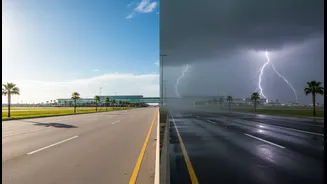
While the monsoon season brings the most dramatic and widespread disruptions, this is a year-round issue. Intense and often erratic weather patterns are becoming more common across the country. In the north, dense winter fog can reduce visibility to near-zero, impacting not just flights but also the road and rail networks that feed into airports. Sudden, severe thunderstorms, like those that recently caused diversions at Delhi airport, can appear with little warning, snarling traffic and halting ground operations. The core problem is twofold: weather events are becoming more extreme, and urban infrastructure is struggling to keep pace. A few hours of intense rain can flood key arterial roads, turning a one-hour airport drive into a four-hour ordeal, as seen recently in Mumbai.
The Ripple Effect on Your Itinerary
The impact of a weather-disrupted commute ripples through your entire travel plan. Arriving at the airport late and stressed might mean missing your flight, even if it's on time. Even if you make it, the chaos on the ground often translates to chaos in the air. For instance, recent heavy rains in Mumbai and Delhi led to dozens of flights being diverted, cancelled, or delayed. On one day in Delhi, 15 flights had to be diverted to other cities. In Mumbai, runways were temporarily suspended due to strong winds and poor visibility. This domino effect means that a storm in one city can cause delays across the entire national network, affecting passengers in cities with clear skies.
Your New Airport Commute Checklist
Adapting to this new reality means adding a weather-centric layer to your pre-travel routine. First, start monitoring the weather forecast for your departure city and the airport area at least 24-48 hours in advance. On the day of travel, treat the commute as a critical part of the journey. Leave significantly earlier than you normally would, especially if there's any hint of adverse weather. All major airlines now advise this as a standard precaution. Second, have multiple transport options in mind. If roads are likely to be waterlogged, is there a metro or train route that gets you close to the airport? Delhi airport authorities, for instance, have advised passengers to use the Metro during periods of heavy rain. Third, leverage technology. Use real-time traffic apps to check road conditions before you leave. Keep your airline’s app handy for the latest flight status updates, as schedules can change rapidly.
Booking Smarter for Bad Weather
A little foresight during booking can also be a lifesaver. Whenever possible, opt for morning flights. Weather conditions, especially thunderstorms, tend to worsen as the day progresses, and delays accumulate. An early flight is less likely to be affected by the cascading delays of the afternoon and evening. When booking connecting flights, especially through notoriously weather-affected hubs like Mumbai during monsoon, be generous with your layover time. A 90-minute connection might seem efficient, but it leaves zero room for error if your initial journey to the airport or your first flight is delayed. Finally, pack a small 'delay kit' in your carry-on with essentials like a phone charger, snacks, and any necessary medication. Facing a long wait is much more manageable when you're prepared.