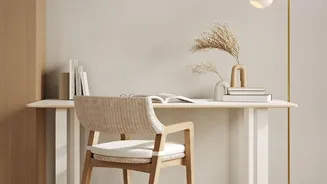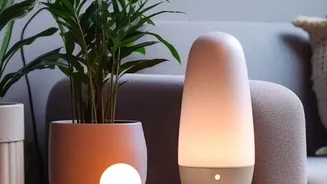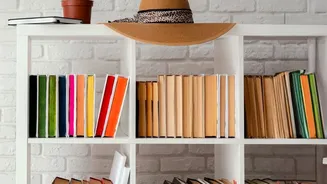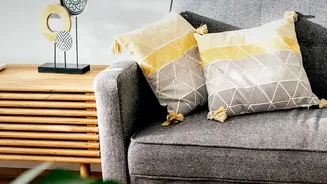




Take a look at your shelves. Are they a sea of small, similarly-sized trinkets? This common decorating habit can create visual clutter, but there's a simple fix: varying the height of your objects to create a balanced and professional look.
The Problem with a Flat Landscape
When everything
on a surface sits at the same level, the eye tends to see it as one flat, uninteresting line. A collection of small knick-knacks, no matter how cherished, can look more like clutter than a curated display. Your gaze sweeps across without finding a place to land, which makes the arrangement feel busy and chaotic. This visual 'noise' happens because no single object is given importance. Instead of a thoughtful composition, you get a line-up where every item competes for attention, and as a result, nothing truly stands out.
The Power of Varied Heights
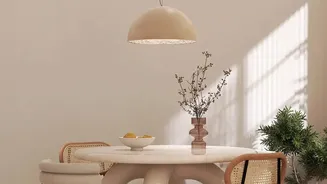
Interior designers use varying heights to create rhythm and guide the eye through a space. This principle, known as creating a visual hierarchy, is what makes a room feel dynamic and thoughtfully styled. When you place tall, medium, and short objects together, you create gentle peaks and valleys that are more engaging to look at. This simple act of variation adds dimension and a sense of intentional flow, turning a cluttered surface into a sophisticated vignette. The goal isn't perfect symmetry, but a more natural, balanced asymmetry that feels collected over time.
Embrace the 'Rule of Three'
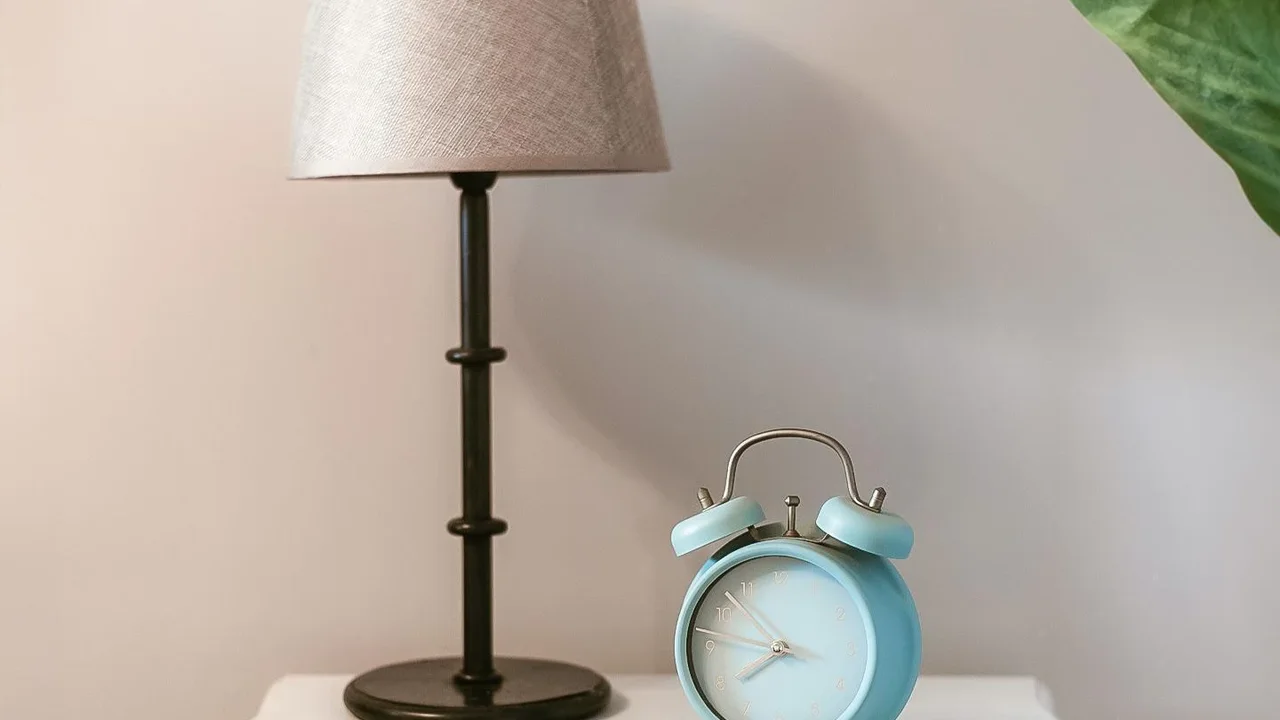
An easy way to start applying this concept is with the 'Rule of Three', a classic design guideline that suggests grouping items in odd numbers. Our brains find arrangements of three (or five, or seven) more visually appealing and memorable than even-numbered groups. A trio of objects almost always looks more dynamic than a pair. When you group three items, aim for one tall, one medium, and one short object. This variation in height within the odd-numbered group naturally creates a more balanced and complete look.
Create Visual Triangles
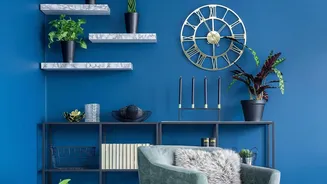
To take it a step further, think in terms of triangles. The 'Triangle Method' is a styling trick where you arrange objects of different heights so that their highest points form an imaginary triangle. Place your tallest object as the peak, then add a medium and a short object to form the other two points. This creates a composition that naturally guides the eye. You can apply this to a single shelf or across an entire bookcase. For a balanced look on a larger unit, try zig-zagging your triangles—if one shelf has its peak on the left, position the peak on the shelf below it to the right.
Mix Shapes, Textures, and Materials
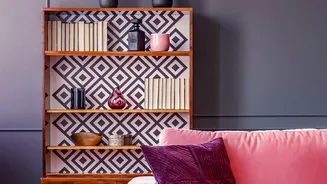
While height is a crucial element, a truly compelling display also incorporates a mix of other qualities. Don't just vary the height; vary the shapes and textures of your objects as well. Pair a sleek, tall metal vase with a low, round ceramic bowl and a stack of textured, fabric-bound books. This contrast between different materials—smooth and rough, shiny and matte—adds another layer of depth and interest to your arrangement. Repeating a certain material or colour across different groupings can also help create a sense of cohesion throughout the space.
Where to Put This into Practice
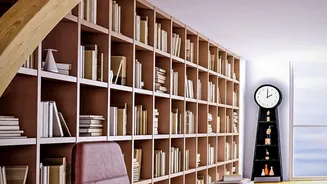
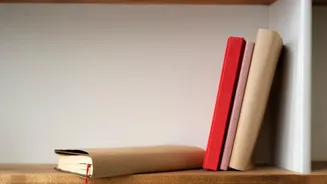
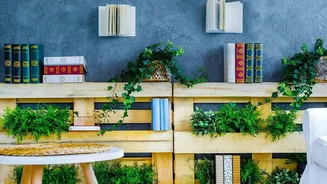
This principle works on nearly any flat surface in your home. Start with the most common culprits for clutter: bookshelves, fireplace mantels, and console tables. On a bookshelf, use stacks of books laid horizontally to create platforms of varying heights for smaller objects. On a mantelpiece, anchor the arrangement with a tall piece of art or a mirror, then build a triangle of objects on one or both sides. For a coffee table, a simple tray with a tall candle, a medium-height plant, and a small decorative box can instantly make the space feel more organised and intentional.