



Understanding Your 'True' Grocery Cost
In the culinary world, chefs use a simple but powerful concept: Edible Portion (EP) cost. This is different from the As-Purchased (AP) cost, which is the price you pay at the register. The true cost of an ingredient is how much you pay for the part you actually
eat. For example, if you buy one kilogram of a vegetable for ₹100, but have to throw away half of it as peels, cores, or stems, your one kilogram of edible food actually cost you ₹200. This is the EP cost. Understanding this difference is the key to becoming a smarter shopper. An ingredient with a low sticker price but also a low edible yield can easily end up being more expensive than a pricier-looking alternative with less waste.
The Classic Case: The Artichoke
The globe artichoke is a perfect example of this principle. It looks impressive and can often be found at a reasonable price, especially when in season. However, a surprisingly small amount of the whole vegetable is actually edible. After you trim the stem, snip the thorny leaf tips, cook it, and pull off the leaves to scrape the tiny fleshy part with your teeth, you're left with the heart. But first, you must scoop out and discard the inedible fuzzy center, known as the 'choke'. When all is said and done, the edible yield of a fresh artichoke can be as low as 40%. This means over half of what you paid for ends up in the compost bin. Suddenly, that seemingly affordable artichoke's true cost for the heart and edible leaf portions has more than doubled. In many cases, buying canned or frozen artichoke hearts, which are 100% edible, can be more economical.
Fruits Hiding High Waste
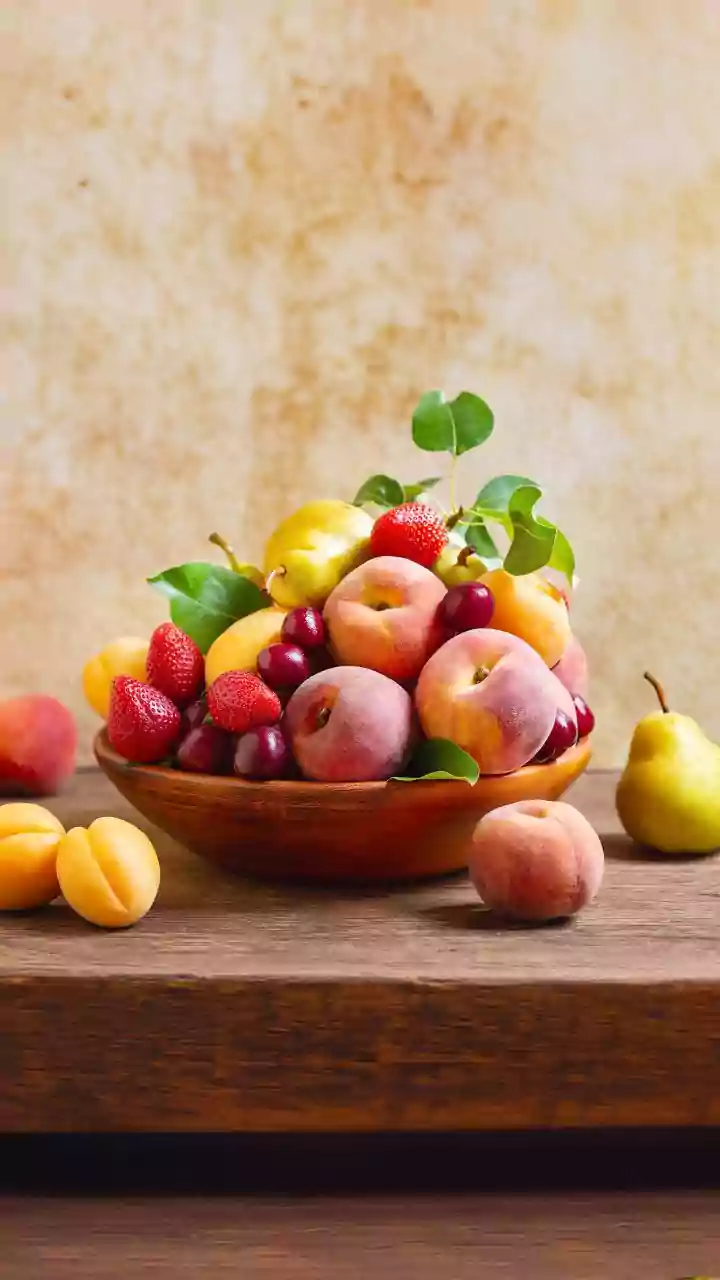
This isn't just a vegetable problem. Consider the pomegranate. It's celebrated for its jewel-like seeds, but those seeds (or arils) account for just over half the fruit's total weight. A yield chart from the food service industry puts the edible portion of a pomegranate at around 44%. The thick, leathery rind and bitter internal membranes, which make up the majority of the weight, are discarded. Pineapple is another culprit; once you've removed the tough skin, fibrous core, and leafy crown, you can lose 40-50% of its initial weight. Even an orange can have a surprisingly low yield of just 44% once peeled. When you buy these fruits, you're paying a premium for parts that are rarely used, driving up the cost of the portion you actually enjoy.
Rethinking Your Vegetable Prep
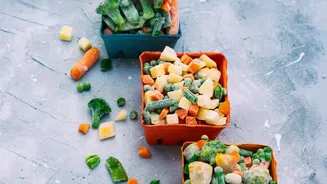
Other common vegetables also have lower yields than you might expect. Fresh corn on the cob has an edible yield of only about 36%, since the cob itself is discarded. Broccoli and cauliflower can also be deceptive. If you only use the florets and discard the thick, heavy stalks, your yield for broccoli is around 47%, and for cauliflower, it's about 53%. That's nearly half the weight you paid for going to waste. Carrots, potatoes, and celery all lose a significant percentage of their weight during peeling and trimming. While pre-cut and pre-prepped vegetables often look more expensive on the shelf, it's worth doing a quick mental calculation. Sometimes, the convenience pack with 100% edible product can be the more frugal and efficient choice, especially if it prevents food from spoiling in your fridge because you dread the prep work.
From Scraps to Staples: Minimizing Waste
The good news is that you can dramatically increase the value of your 'cheap' ingredients by rethinking what constitutes a scrap. Many discarded parts are perfectly edible and delicious. Broccoli and cauliflower stems, for example, can be peeled of their tough outer layer, chopped, and roasted or stir-fried right along with the florets. Don't throw away carrot, potato, or cucumber peels; a good scrub is often all that's needed, and the peels contain valuable nutrients. The leafy green tops of beets and turnips are similar to chard and can be sautéed. Even tough onion skins, garlic ends, and vegetable peelings can be saved in a bag in the freezer. Once you have enough, simmer them in water to create a flavourful, free vegetable stock that can be the base for soups and sauces. By using the whole ingredient, you bring its true cost much closer to its purchase price.