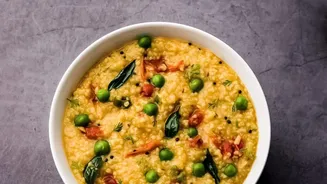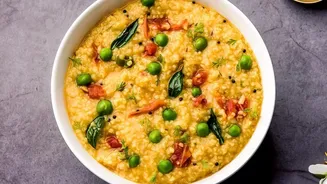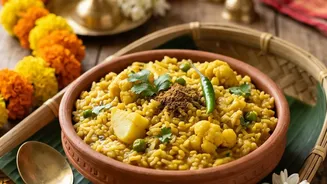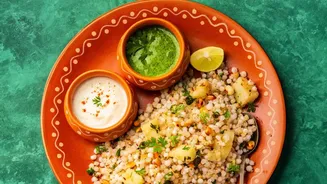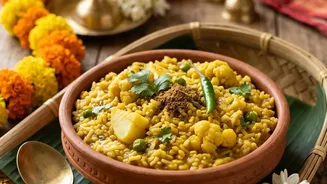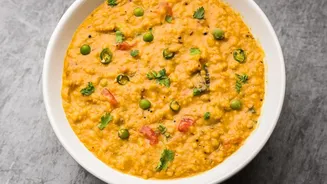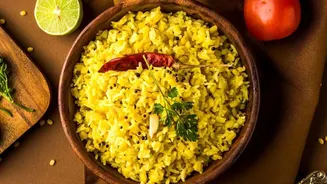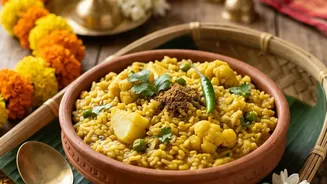

In the world of Indian comfort food, Dalia and Khichdi hold a special place. Both are celebrated as wholesome, one-pot meals. But while they seem similar, their nutritional profiles offer distinct benefits. Which one is right for you?
Understanding Dalia: The Whole Wheat Powerhouse
Dalia, also known
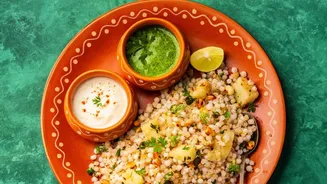
as broken or cracked wheat, is a minimally processed whole grain. It's made by coarsely grinding whole wheat kernels, which ensures that the bran, germ, and endosperm remain intact. This process preserves its natural fibre, vitamins, and minerals. Dalia is incredibly versatile and can be prepared as a sweet porridge with milk and jaggery or as a savoury 'upma' or 'pulao' with vegetables. Its primary nutritional strength lies in its carbohydrate and fibre content. Being a whole grain, it is packed with complex carbohydrates that provide a slow and steady release of energy.
The Nutritional Benefits of Dalia
Dalia's standout feature is its high dietary fibre content, with about 10-12 grams per 100g serving. This fibre is crucial for digestive health, as it promotes regular bowel movements and helps prevent constipation. For those managing their weight, Dalia is an excellent choice because the fibre promotes a feeling of fullness, which can reduce overall calorie intake and curb cravings. It also has a low glycemic index (GI), typically around 41, which means it causes a gradual rise in blood sugar levels rather than a sharp spike. This makes it a suitable food for individuals with diabetes. Additionally, Dalia is a good source of essential minerals like magnesium and iron, which support heart health and boost energy levels.
Understanding Khichdi: The Ultimate Comfort Meal
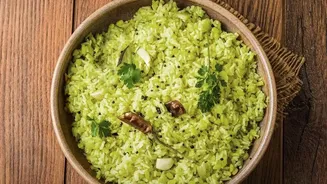
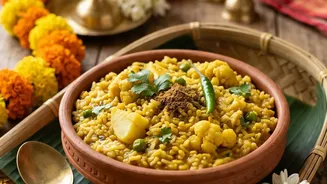
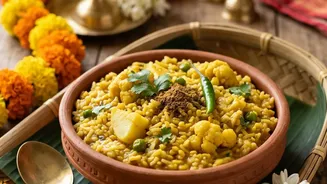
Khichdi is a classic one-pot meal made by cooking rice and lentils together, most commonly with split yellow moong dal. It is widely regarded as a healing and restorative food in Indian culture and Ayurveda, often recommended during illness or for those with a sensitive digestive system. The combination of rice and lentils is the cornerstone of Khichdi's nutritional value. When a cereal like rice is combined with a legume like dal, they create what is known as a 'complete protein'. This means the dish provides all nine essential amino acids that the body cannot produce on its own, which is particularly valuable for vegetarian diets.
The Nutritional Profile of Khichdi
The biggest advantage of Khichdi is its exceptional digestibility. Cooking rice and moong dal together until soft makes them very easy on the stomach and intestines, providing nourishment without causing digestive stress. This makes it an ideal meal for children, the elderly, and anyone recovering from illness. While a basic Khichdi made with white rice and dal is nourishing, its nutritional profile can be significantly enhanced by adding vegetables like carrots, peas, and spinach, which contribute extra vitamins, minerals, and fibre. The use of spices like turmeric and ginger not only adds flavour but also offers anti-inflammatory benefits. A serving of moong dal khichdi provides a balanced mix of carbohydrates and protein.
Dalia vs. Khichdi: A HeadtoHead Comparison
When placed sidebyside, the choice between Dalia and Khichdi depends entirely on your health objectives. For sustained energy, blood sugar management, and weight loss, Dalia is often the superior choice due to its higher fibre content and complex carbohydrates from whole wheat. Its low GI ensures energy is released slowly, keeping you fuller for longer. On the other hand, for digestive comfort, recovery from illness, or a light yet complete protein meal, Khichdi is unparalleled. Its combination of rice and moong dal is famously gentle on the gut. While a typical Khichdi made with white rice will have a higher GI than Dalia, this can be mitigated by using brown rice or millets. In terms of protein quality, Khichdi has an edge as the ricelentil combination naturally forms a complete protein, whereas Dalia, being just a grain, needs to be paired with dal to achieve the same.
The Verdict: Which One Should You Eat?
There is no single winner here; the 'better' option is the one that aligns with your specific needs. Choose Dalia if your goals are:
- Weight management and feeling full.
- Sustained energy for a busy day.
- Better blood sugar control due to its low GI.
- Increasing your overall dietary fibre intake.
Choose Khichdi if you need:
- An easily digestible meal for a sensitive stomach.
- A complete protein source in a single vegetarian dish.
- A comforting, healing food during recovery.
- A balanced meal for children or the elderly.