


The Psychology of a Well-Read Room
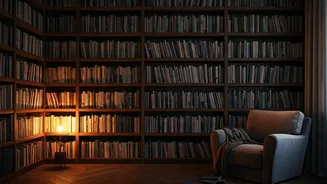
Why do spaces filled with books feel so inviting and intelligent? It’s not just about the intellectual weight of the titles themselves. A collection of books is a physical manifestation of a person's history, interests, and curiosities. Unlike generic
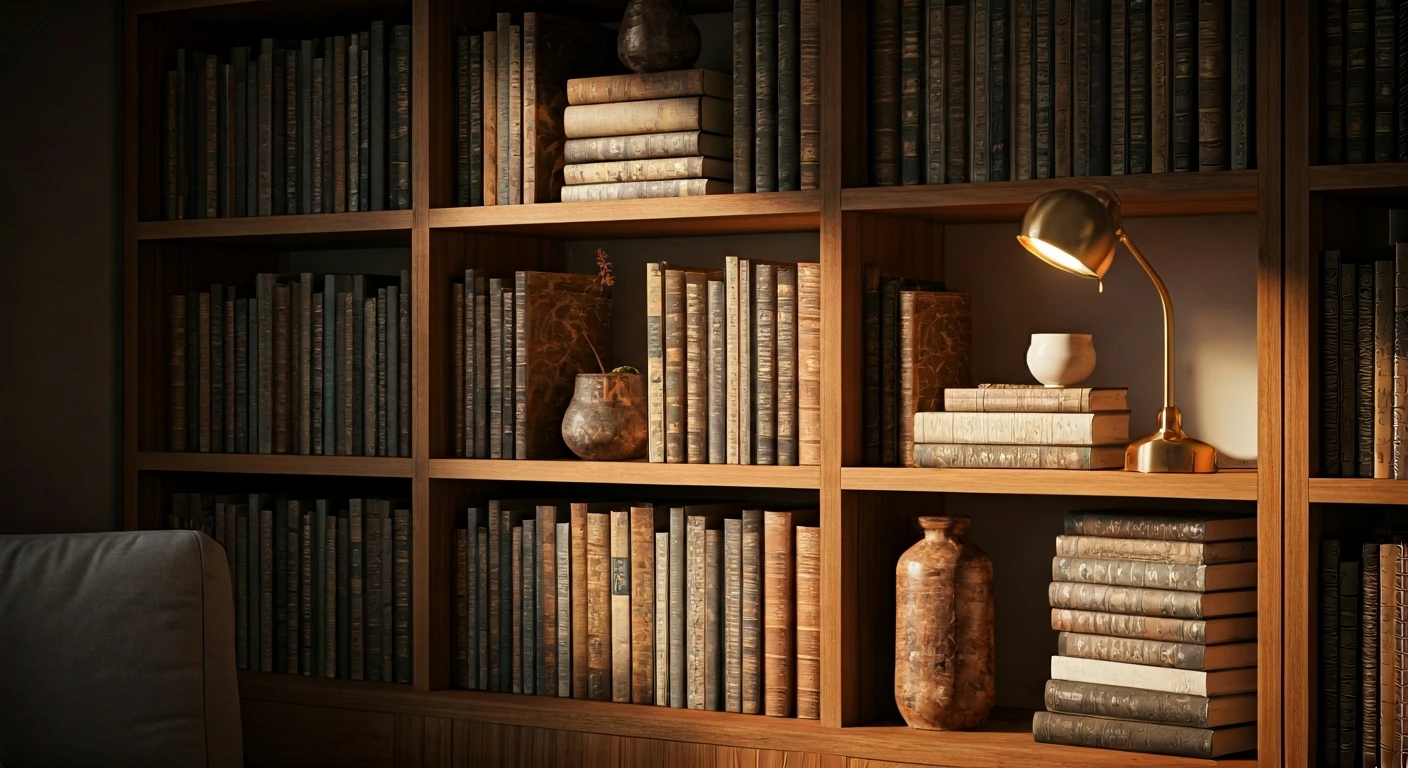
decor, books are deeply personal. They signal a life of learning and imagination. An intentionally placed stack of novels or a shelf of well-loved paperbacks creates an atmosphere of warmth and authenticity. It tells guests that this is a home where ideas are welcome and curiosity is a virtue. This 'bookshelf wealth,' as the trend is sometimes called, isn’t about showing off expensive first editions; it’s about showcasing a wealth of knowledge and personality, making a room feel lived-in and layered with stories.
Beyond the Traditional Bookshelf
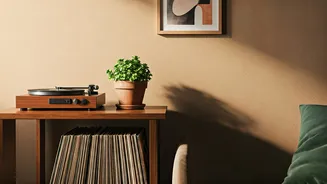
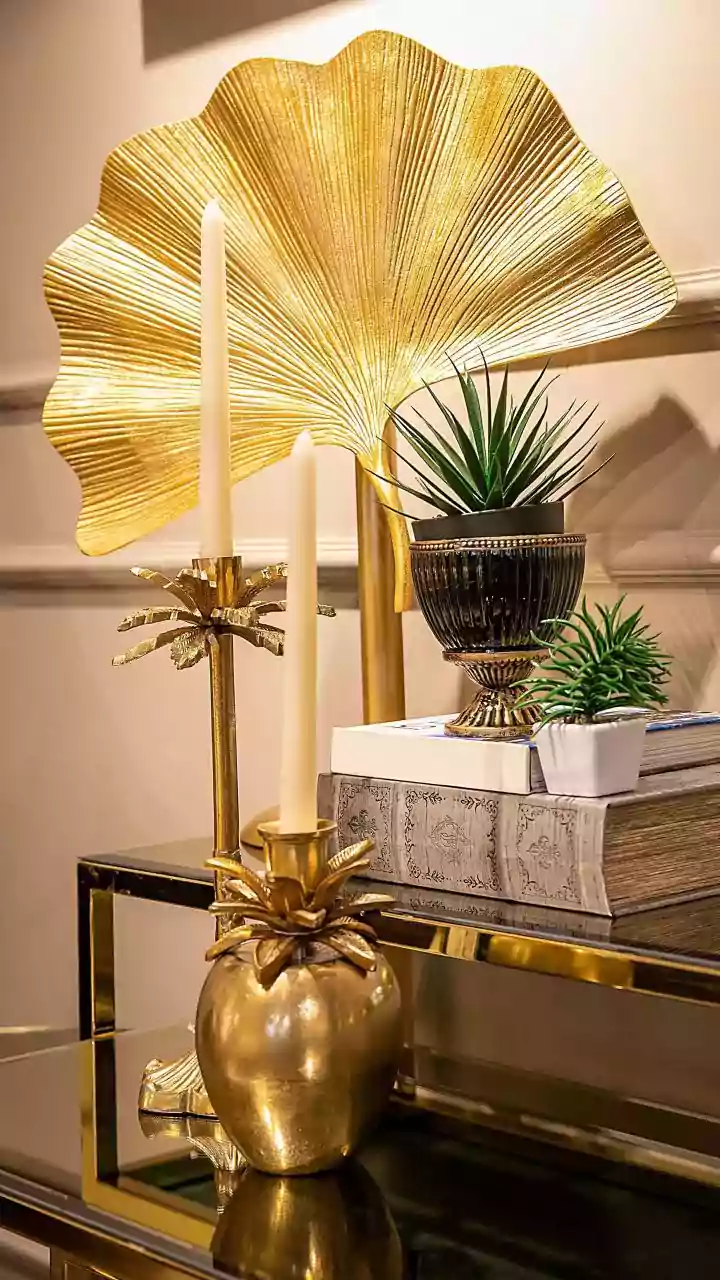
The first step to embracing book-led decor is to free your collection from the confines of a single, rigid bookshelf. Think of your books as versatile design elements. A carefully curated stack on a side table, topped with a small plant or a unique object, creates a beautiful vignette. Stacks of larger art or photography books can even function as a makeshift end table or a stand for a vase. Consider arranging books in unexpected places: a low-slung pile by an armchair invites reading, while a curated selection on a wide windowsill can catch the light beautifully. By treating your books as objects of beauty in their own right, you can integrate them into the very fabric of your home’s design, turning every corner into a potential point of interest.
The Art of Curation and Colour
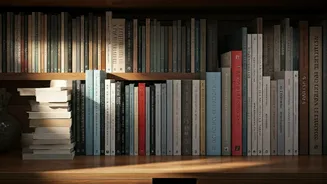
Using books effectively in decor is an art of curation, not just collection. Don't be afraid to be selective. One popular technique is to arrange books by colour, creating a rainbow-like gradient that turns your shelf into a striking visual feature. This works particularly well for making a large collection feel cohesive and intentional. Alternatively, you can group books by theme—your cookbooks in the kitchen, travel guides in a hallway nook, or poetry near a comfortable reading chair. Mix in personal objects, framed photos, or small sculptures between the books to break up the monotony and add another layer of personality. The goal is to create a display that feels both organised and deeply personal, a reflection of your unique taste and story.
Embracing the ‘Lived-In’ Look
There’s a fine line between a home that looks intellectually vibrant and one that looks simply cluttered. The key is intentionality. The Japanese concept of 'tsundoku'—the practice of acquiring reading materials but letting them pile up in one's home without reading them—can be a source of design inspiration. It celebrates the beauty of an accessible, ever-present library. To keep it from looking messy, focus on creating controlled 'piles' and curated surfaces. A neat stack is different from a chaotic heap. Ensure the books are in good condition and are arranged with a sense of purpose. This 'perfectly imperfect' approach is what gives a space character. It suggests that the books are actively used and loved, not just static props, which is the very essence of a smart, dynamic home.
Books in Every Room
Limit your book displays to the living room and you're missing a trick. Spreading your collection throughout your home enhances this feeling of a life well-read. A kitchen is instantly elevated by a shelf of beautifully designed cookbooks, suggesting a passion for culinary arts. In the bedroom, a small, rotating stack on the nightstand provides both decor and a wind-down ritual. Even a bathroom can host a small shelf with light reading material for guests. Hallways and entryways are also prime real estate for a slim console table topped with interesting books, setting an intelligent and welcoming tone the moment someone walks through the door. By weaving your library into every part of your home, you create a cohesive and deeply personal environment.