


Understanding the Classic Pose
Cat-Cow, or Marjaryasana-Bitilasana, isn't one static pose but two stitched together into a gentle, rhythmic flow. It begins on your hands and knees in a 'tabletop' position. From there, you move between arching your spine and dropping your belly (Cow
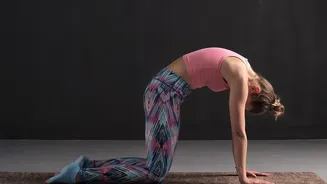
Pose, or Bitilasana) on an inhale, and rounding your back towards the ceiling (Cat Pose, or Marjaryasana) on an exhale. This dynamic movement is celebrated for its ability to improve spinal flexibility, relieve tension in the back and neck, and promote better posture by creating awareness of your body's alignment. It also gently massages the abdominal organs, which can aid digestion. The goal is not to hold a deep stretch, but to move continuously with your breath for about five to ten cycles.
The Correct Form: A Step-by-Step Guide
Proper alignment is key to getting the most out of Cat-Cow and preventing strain. Start on all fours with your hands directly under your shoulders and your knees directly under your hips, about hip-width apart. Your spine should be in a neutral, straight line. As you inhale for Cow Pose, let your belly drop towards the floor, lift your chest and tailbone, and allow your gaze to rise slightly without cranking your neck. As you exhale for Cat Pose, press the floor away through your hands, tuck your tailbone, and round your spine toward the ceiling, letting your head hang heavy. A common mistake is to initiate the movement from the neck; instead, focus on starting the arch and round from your pelvis, letting the motion ripple up your spine.
Modification for Sensitive Knees
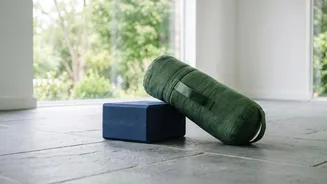
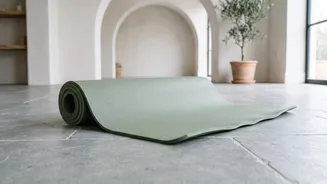
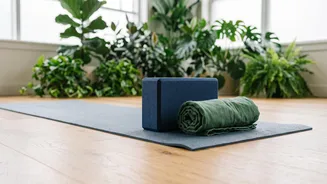
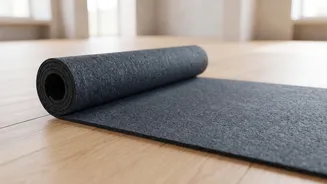
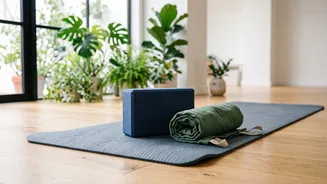
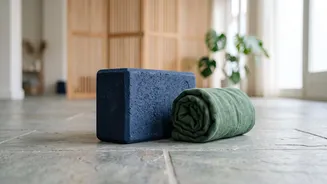
If kneeling on a hard surface is painful, the fix is simple: add padding. Placing a folded blanket or towel, or even folding your yoga mat in half, can provide the extra cushion needed to make the pose comfortable. This small adjustment removes the distraction of knee pain, allowing you to focus on the movement of your spine. Remember, yoga is about working with your body, not against it. There should be no sharp pain, and modifications are a smart part of any practice.
Modification for Sore Wrists
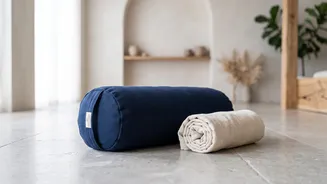
Putting weight on flat palms can be challenging for those with wrist sensitivity. One of the most effective modifications is to come down onto your forearms instead. You can place your forearms parallel to each other with your elbows under your shoulders and flow through the Cat-Cow movement from there. Another option is to make gentle fists and rest your weight on your knuckles, keeping your wrists straight and neutral. Some also find relief by placing a rolled-up blanket under the heels of their hands to decrease the angle of extension. The spine gets the same mobility benefits, regardless of what your hands are doing.
The Seated Cat-Cow: No Mat Required
One of the most accessible variations takes the floor out of the equation entirely. The seated Cat-Cow can be done anytime, anywhere—even at your office desk. Sit toward the front of a sturdy chair with your feet flat on the floor and your hands resting on your knees or thighs. On an inhale, gently arch your back, lift your chest, and look forward to find your Cow Pose. On an exhale, round your spine, tuck your chin toward your chest, and feel the stretch in your upper back for Cat Pose. This version delivers the same spinal mobility and tension relief, making it a perfect reset during a long day of sitting.