








What is Integrated Health Thinking?
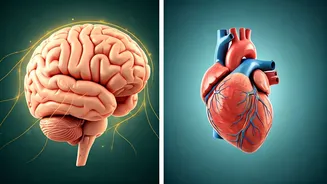
Integrated health is a common-sense idea that is surprisingly revolutionary in practice. It means treating a person as a whole, recognising that our physical, mental, and emotional health are deeply connected. Instead of a doctor for your body and a separate
specialist for your mind who never speak to each other, an integrated model brings them together. This collaborative approach involves a team—doctors, therapists, nutritionists, and other wellness professionals—who work together on a single, coordinated care plan. The goal is simple: to stop treating symptoms in isolation and start addressing the complete person, considering their lifestyle, environment, and overall well-being.
Why This Matters for Young Adults
The transition from adolescence to adulthood is a period of immense pressure. Young Indians today navigate intense academic competition, career uncertainty, and the constant highlight reel of social media that can magnify feelings of inadequacy and stress. It's no surprise that studies show rising rates of anxiety and depression in this demographic. Often, mental distress shows up as physical symptoms like headaches, fatigue, or stomach issues. A fragmented system may lead to endless tests for the physical ailment while completely missing the root cause in mental stress. Young adults are also at a vulnerable point where they transition from pediatric to adult care, a gap where many fall through the cracks and disengage from the healthcare system altogether.
The High Cost of a Disconnected System
When care is fragmented, the patient pays the price—not just financially, but in their overall health. A young person struggling with anxiety might develop high blood pressure, but if the two issues are treated separately, the underlying stress that contributes to both is never resolved. This leads to duplicated tests, conflicting advice from different doctors, and a frustrating sense of being unheard. More than half of adult mental health disorders begin in adolescence, and failing to address them early has long-term consequences for an individual's ability to lead a fulfilling life. According to a UNICEF survey, a concerningly low number of young people in India feel it is good to seek support for mental health problems, highlighting the deep-seated stigma that an integrated, normalizing approach could help dismantle.
What Integrated Care Looks Like
Imagine a young adult visiting a primary care clinic for persistent digestive issues. In an integrated system, the doctor not only runs medical tests but also asks about stress levels, sleep patterns, and mood. If stress is a factor, they can facilitate a warm handoff to an in-house behavioural health specialist for a consultation, perhaps on the very same day. The team might then collaborate on a plan that includes dietary changes, stress-management techniques, and regular check-ins. In India, there is a growing conversation around integrating modern medicine with traditional AYUSH systems to support prevention and long-term wellness, which aligns with this holistic philosophy. The key is communication and collaboration, with the patient at the center of their own care.
The Path to a Healthier Future
Adopting integrated health thinking requires a mindset shift from everyone. For individuals, it means recognising the powerful link between mind and body and advocating for whole-person care. For healthcare providers, it requires breaking down professional silos and embracing teamwork. Systemically, it involves creating frameworks and policies that support this collaboration. Several models for integrated healthcare have been proposed for the Indian context, aiming to use existing infrastructure like Primary Health Centres more effectively and even engaging community health workers like ASHA to make care more accessible. The journey won't be simple, but it is essential. By viewing health through a wider, more connected lens, we can build a more resilient and supportive foundation for the generations that will shape India's future.