





The Constant Carry-On Challenge
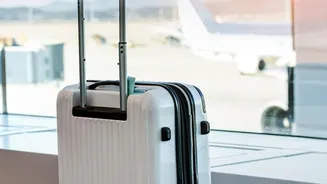
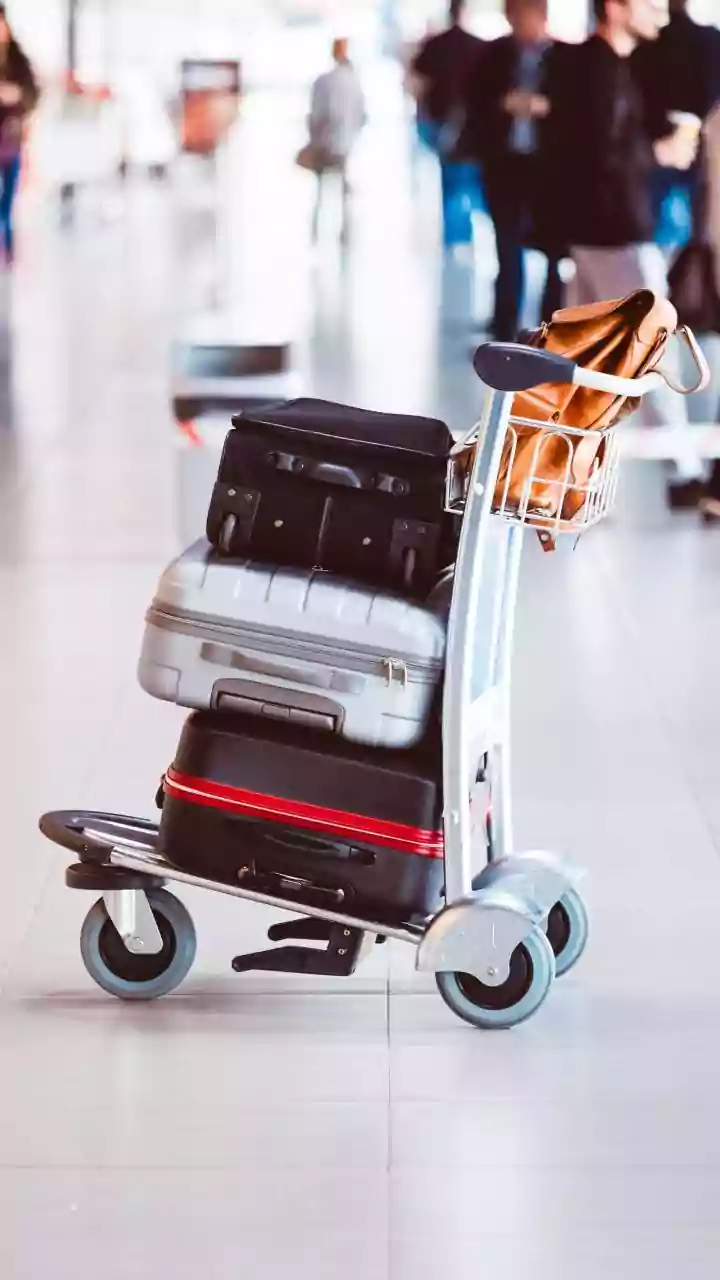
Airlines, especially budget carriers in India, are becoming stricter with carry-on baggage. For most domestic flights, the limit is a firm 7kg per passenger. While this is often paired with a personal item like a laptop bag or purse, that 7kg cabin bag allowance
can feel impossibly small, particularly for trips longer than a weekend. Exceeding this limit can result in hefty fees at the check-in counter or the gate, sometimes costing hundreds of rupees per extra kilogram. This forces travellers into a difficult choice: pack the bare minimum, or risk paying a penalty. This challenge is precisely where a smarter packing strategy becomes not just helpful, but essential.
What Are Compression Cubes, Really?
At first glance, compression cubes look like standard packing cubes—fabric pouches used to organise clothes. The key difference is an additional, secondary zipper. You pack your clothes into the cube, close the main zipper, and then zip the second, exterior compression zipper. This clever design squeezes the cube, forcing out excess air from between your clothes and dramatically reducing the volume of the contents. It’s crucial to understand what they do and don't do: compression cubes reduce volume, not weight. Squeezing the air out of a sweater doesn't make it lighter, but it does make it significantly smaller.
The Strategy: How Volume Reduction Beats the Scales
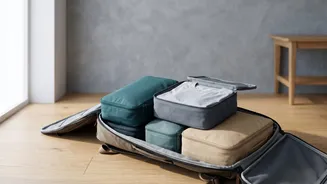
So, if compression cubes don't reduce weight, how do they help you meet weight restrictions? The strategy is indirect but highly effective. By compressing bulky items like T-shirts, jackets, and trousers, you free up a significant amount of physical space in your carry-on. This newfound space means you might be able to use a smaller, lighter carry-on bag, which itself saves precious grams. More importantly, it allows you to pack more strategically. You can fit all your clothes within the compressed cubes, leaving room for denser, heavier items like shoes, toiletries, and electronics to be placed around them. This efficient use of space prevents the need for a larger, heavier bag and helps ensure your organised luggage stays under that critical 7kg or 8kg limit.
Your Step-by-Step Guide to Packing with Compression Cubes
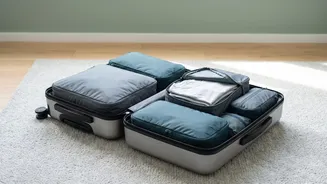
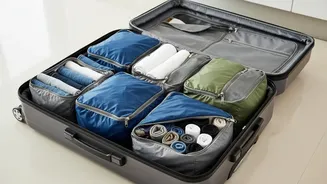
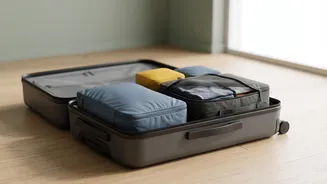
Using compression cubes effectively is simple. First, select the right clothes. They work best on soft, pliable items. Tightly roll each garment to minimise wrinkles and maximise space within the cube before you even begin compressing. Place the rolled items neatly inside the cube, filling it evenly but without over-stuffing. Close the main zipper to secure the contents. Now for the magic: slowly and carefully close the second compression zipper. You will see the cube shrink in depth as the air is expelled. Once compressed, arrange the now-dense blocks inside your suitcase. Think of it like a game of Tetris; fit them together snugly to eliminate wasted space entirely.
Pro Tips for Maximum Packing Efficiency
To take your packing to the next level, consider a few extra tips. Use different coloured cubes to categorise your clothes—for example, one colour for tops, another for bottoms, and a third for undergarments and socks. This not only helps with organisation but also makes it easy to separate clean clothes from dirty laundry as your trip progresses. Be careful not to overfill a cube, as this can strain the zippers and potentially lead to more wrinkles. Always place your heaviest items—like a power bank or shoes—near the bottom of your suitcase by the wheels to keep the bag stable. Finally, the most important step: weigh your fully packed bag at home with a portable luggage scale before you leave for the airport to avoid any stressful surprises.