





The Danger of Drowning Roots
The single biggest mistake in monsoon gardening is assuming the rain is taking care of watering. While it reduces the need, constant downpours can be fatal. Heavy rain compacts soil and floods pots, leading to waterlogged conditions that suffocate roots
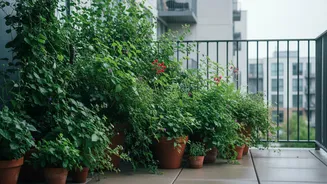
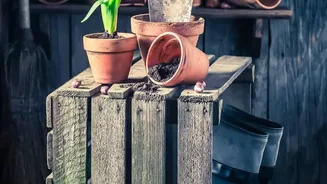
and cause root rot. Balcony plants are especially vulnerable due to limited drainage. First, check your pots. Ensure every container has clear drainage holes. If a pot is waterlogged, you might see wilting despite wet soil or yellowing lower leaves. A simple but effective solution is to elevate your pots on bricks or pot feet. This small gap allows excess water to drain freely and increases airflow, preventing the pot from sitting in a puddle. Also, avoid leaving water in the saucers beneath your pots; empty them after every shower.
Battling Pests and Fungi
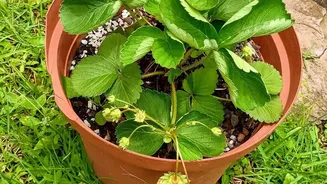
High humidity and constant moisture create a paradise for pests and fungal diseases. Slugs, snails, aphids, and mealybugs multiply rapidly in these conditions. Fungal infections like powdery mildew, leaf spot, and root rot are also common, appearing as white patches or dark spots on leaves. Prevention is much easier than cure. Improve air circulation by spacing your plants out; overcrowding traps moisture and encourages disease. Regularly inspect your plants, checking under leaves and around stems for any signs of trouble. At the first sign of pests, a simple spray of neem oil mixed with water can be an effective organic deterrent. Removing any yellowing or dead leaves promptly also helps prevent the spread of infection.
Taming Unruly Growth
The 'growth' in the headline is both a blessing and a curse. Plants can grow explosively during the monsoon, but this often leads to lanky, weak stems and overcrowding. This is the perfect time for strategic pruning. Trimming your plants helps manage their size, encourages bushier growth, and improves airflow, which, as mentioned, is crucial for preventing fungal diseases. Don't be afraid to cut back overgrown branches. Focus on thinning out dense areas to allow more light and air to penetrate the inner parts of the plant. For climbers or top-heavy plants, provide support with stakes or a small trellis to prevent them from breaking under their own weight or in strong winds.
Shielding from Wind and Rain
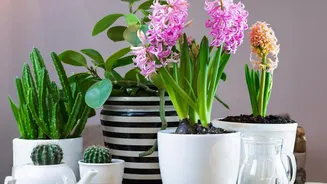
Balconies can act like wind tunnels during a storm, and heavy rain can physically damage delicate leaves and flowers. For smaller, more sensitive plants like succulents that hate being waterlogged, the best solution is often to move them. If possible, shift them to a covered part of the balcony or even indoors during particularly intense downpours. For larger pots that can’t be moved, you might consider creating a temporary shield. In high winds, ensure lightweight pots are secured so they don't tip over. After a storm, take a moment to assess the damage, remove broken stems, and help your plants recover.
Addressing Nutrient Loss
Constant, heavy rain doesn't just bring water; it also washes away essential nutrients from the soil in your pots. This is known as nutrient leaching. If you notice your plants looking pale or their growth seems stunted despite the rain, they might be hungry. However, this is not the time for aggressive fertilisation. Wait for a break in the rain to feed your plants. Using a slow-release fertiliser at the beginning of the season can be beneficial. Alternatively, a diluted liquid feed applied every couple of weeks can help replenish lost nutrients without overwhelming the plants. During the monsoon, less is often more when it comes to fertiliser.