


The Simple Power of a Salad
A well-constructed salad is more than just a light meal; it's a strategic way to boost your digestive health. When your digestive system is running smoothly, your body can effectively break down food, absorb vital nutrients, and eliminate waste. A daily
salad provides a fantastic dose of dietary fibre, essential vitamins, and hydration, which are the cornerstones of good gut health. The combination of cucumber, beetroot, and sprouts, in particular, creates a synergistic effect, with each ingredient bringing unique properties that enhance digestion, reduce bloating, and promote regularity. Making this simple bowl a part of your daily routine can be a delicious and effective step towards better overall wellness.
Cucumber: The Hydration Hero
Cucumbers are a true gift for digestion, primarily due to their incredibly high water content—around 96%. Proper hydration is crucial for a healthy gut, as it helps break down food, prevents constipation, and ensures the smooth passage of waste. The water in cucumbers helps soften stool, making it easier to pass and promoting regularity. Beyond hydration, cucumbers also contain a good amount of fibre, especially in their peel. This includes soluble fibre like pectin, which can increase the frequency of bowel movements and feeds the beneficial bacteria in your gut, further improving digestive health. Their low-calorie profile and refreshing nature make them an easy and beneficial addition to any meal.
Beetroot: The Fibre-Rich Regulator
The vibrant, earthy beetroot is a nutritional powerhouse for your digestive system. It is an excellent source of dietary fibre, with a single cup providing over 3 grams. This fibre helps add bulk to stool, promoting regular bowel movements and helping to prevent conditions like constipation. The fibre in beetroot also acts as a prebiotic, feeding the friendly bacteria in your gut. A healthy gut microbiome is essential for optimal digestion and overall health. Additionally, beets contain a compound called betaine, which supports liver function—a key organ in the detoxification and digestion process. They are also rich in glutamine, an amino acid that helps maintain the health of the intestinal lining.
Sprouts: The Enzyme Powerhouse
Sprouts are essentially young plants in their prime, and they are packed with digestive enzymes. These enzymes, which can be up to 100 times more concentrated in sprouts than in mature vegetables, help your body break down carbohydrates, proteins, and fats more efficiently. This 'pre-digested' nature of sprouts means they place less strain on your digestive system and can even help your body better digest other foods eaten in the same meal. The sprouting process also significantly increases fibre content. Studies have shown that sprouting can boost insoluble fibre, which is crucial for forming stool and preventing constipation. Furthermore, sprouting reduces levels of anti-nutrients, making the vitamins and minerals in the seeds more available for your body to absorb.
Building Your Perfect Digestive Salad
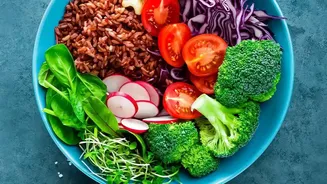
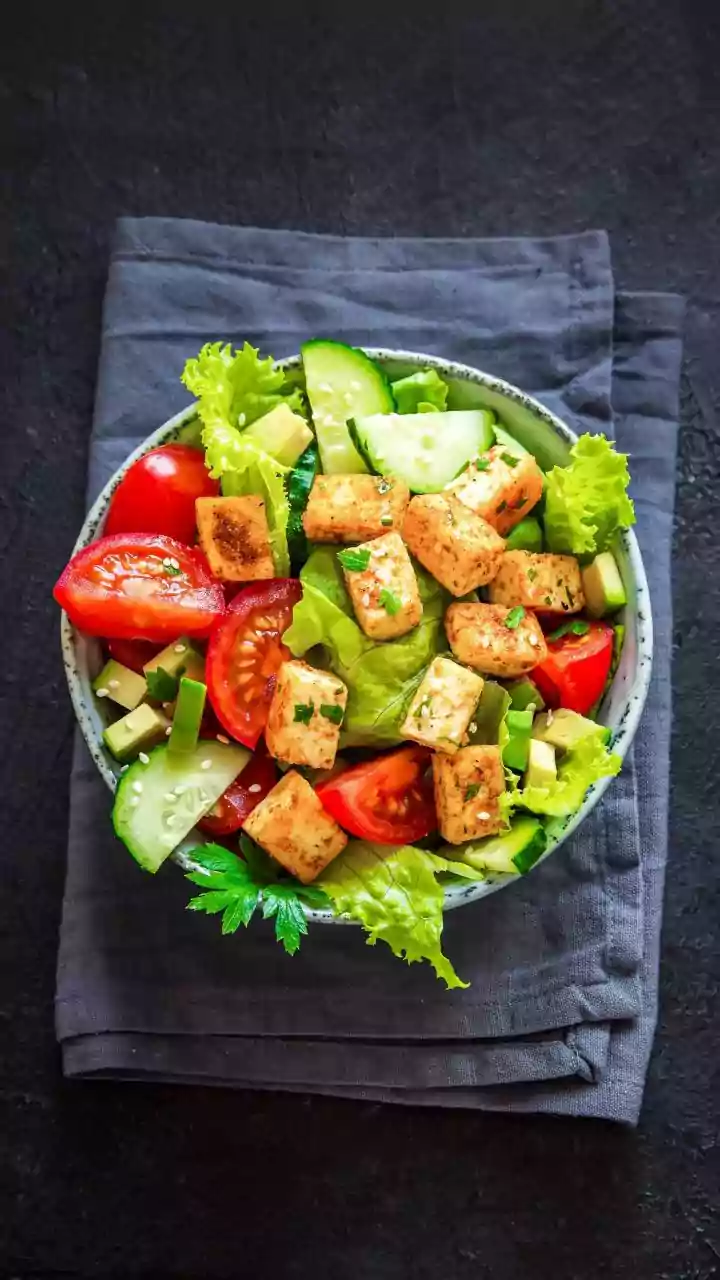
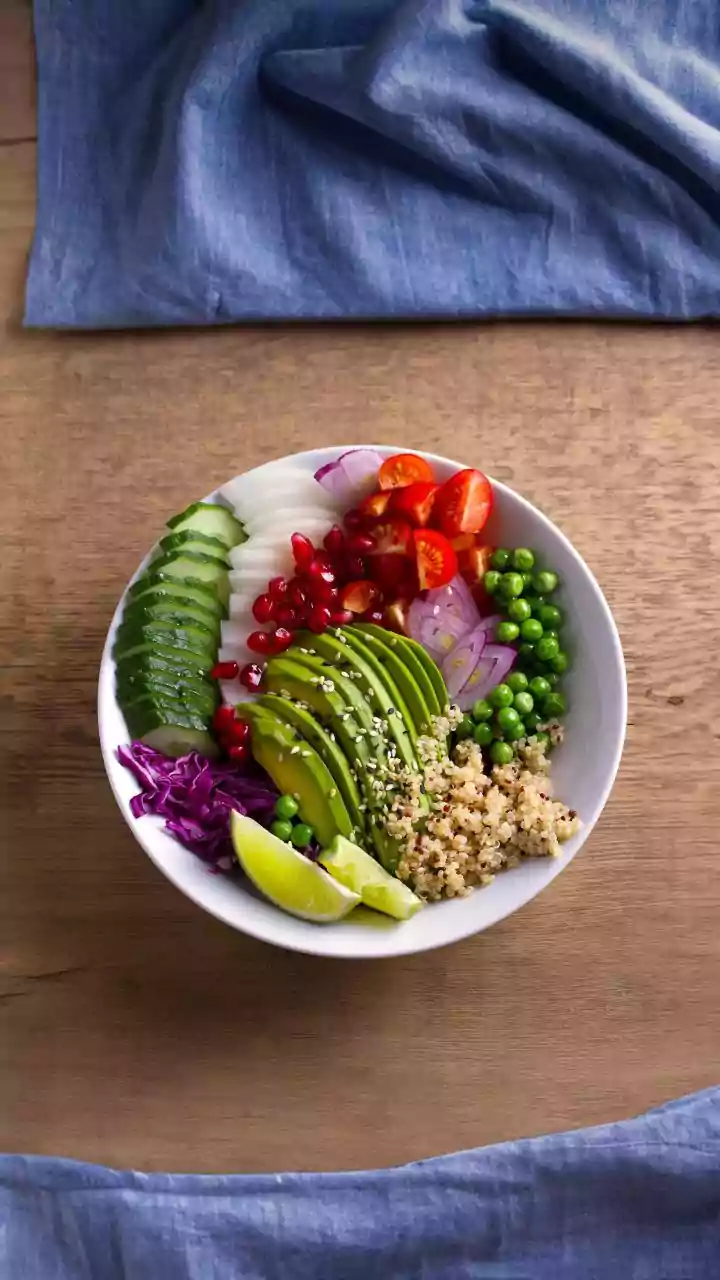
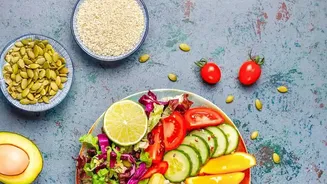
Creating your daily digestive health bowl is simple and allows for plenty of variation. Start with a base of fresh, crisp lettuce. Thinly slice or cube one medium cucumber (with the peel on for maximum fibre) and add about half a cup of cooked or grated raw beetroot. Top it all off with a generous handful of mixed sprouts, such as mung bean, broccoli, or alfalfa sprouts, for that enzymatic crunch. For a simple and healthy dressing, whisk together a tablespoon of olive oil, the juice of half a lemon, a pinch of salt, and a dash of black pepper. This combination not only tastes refreshing but also supports your digestive goals. You can enhance your salad further by adding other gut-friendly ingredients like avocado for healthy fats or a sprinkle of toasted seeds for extra texture and nutrients.