






Just How High Have Prices Gone?
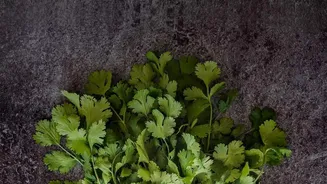
The price shock is significant. In many retail markets, fresh coriander is selling for over ₹200 per kilogram. At Delhi's Azadpur mandi, one of the country's largest wholesale markets, prices recently climbed as high as ₹175 per kg. To put that in perspective,
traders note that the normal wholesale price for this time of year is around ₹25 per kg. This dramatic increase has been felt by households and restaurants alike, where the once-abundant herb is now being used sparingly. The days of getting a complimentary handful of coriander leaves with your vegetable purchase seem to be on hold.
Too Much of a Good Thing
Coriander is a delicate crop, highly sensitive to weather conditions. While it needs water to grow, the heavy and erratic rainfall seen in key growing regions has been devastating. Intense downpours lead to waterlogged fields, which can cause root rot and other fungal diseases that wipe out plants. Farmers report that standing crops have been extensively damaged by flooding, particularly in late July. This excess moisture also reduces the shelf life of the harvested leaves, making them more likely to spoil during transit. The result is a sharp drop in the quantity and quality of coriander reaching the market.
The Supply Chain Squeeze
The price hike is a classic case of supply failing to meet demand. A significant portion of the green coriander supplied to northern India, including Delhi, comes from areas around Nashik in Maharashtra. This region experienced heavy rainfall, which not only damaged crops but also severely disrupted transportation. Flooded roads and logistical bottlenecks mean fewer trucks can make the long journey to major city markets. Supplies from other centres like Bengaluru and Latur have also been tight. While some produce arrived from Karnataka, it wasn't enough to ease the shortage, and the quality was often lower, unable to withstand long-distance transport.
A Tough Season for Growers
While consumers are feeling the pinch, farmers are facing a different kind of crisis. Many who cultivate leafy greens have seen their crops decimated by the erratic weather. For perishable crops like coriander, the disruption between a dry spell and a sudden, intense burst of rain can be disastrous. Many farmers are forced to suspend harvesting during heavy rain to avoid their produce getting damaged, which creates a temporary supply shortage. Those who do manage to harvest often find their crops are of lower quality, forcing them to sell at lower prices at the local level even as retail rates in cities soar. This volatility makes it an incredibly challenging season for small and marginal farmers who grow most of the country's vegetables.
The Ripple Effect in Your Kitchen
The soaring cost of coriander is more than just an inconvenience; it affects the flavour and cost of everyday food. From the final garnish on a dal to a key ingredient in chutneys and curries, its absence is noticeable. Street food vendors and restaurants, who rely on the herb for freshness and flavour, must either absorb the higher cost or pass it on to customers. This price spike is part of a broader trend of food inflation, where erratic weather is increasingly impacting the cost of kitchen staples like ginger and garlic as well. It serves as a potent reminder of how closely our kitchens are linked to the climate and the challenges faced by Indian agriculture.