




The Problem: Our Cities as Concrete Ovens
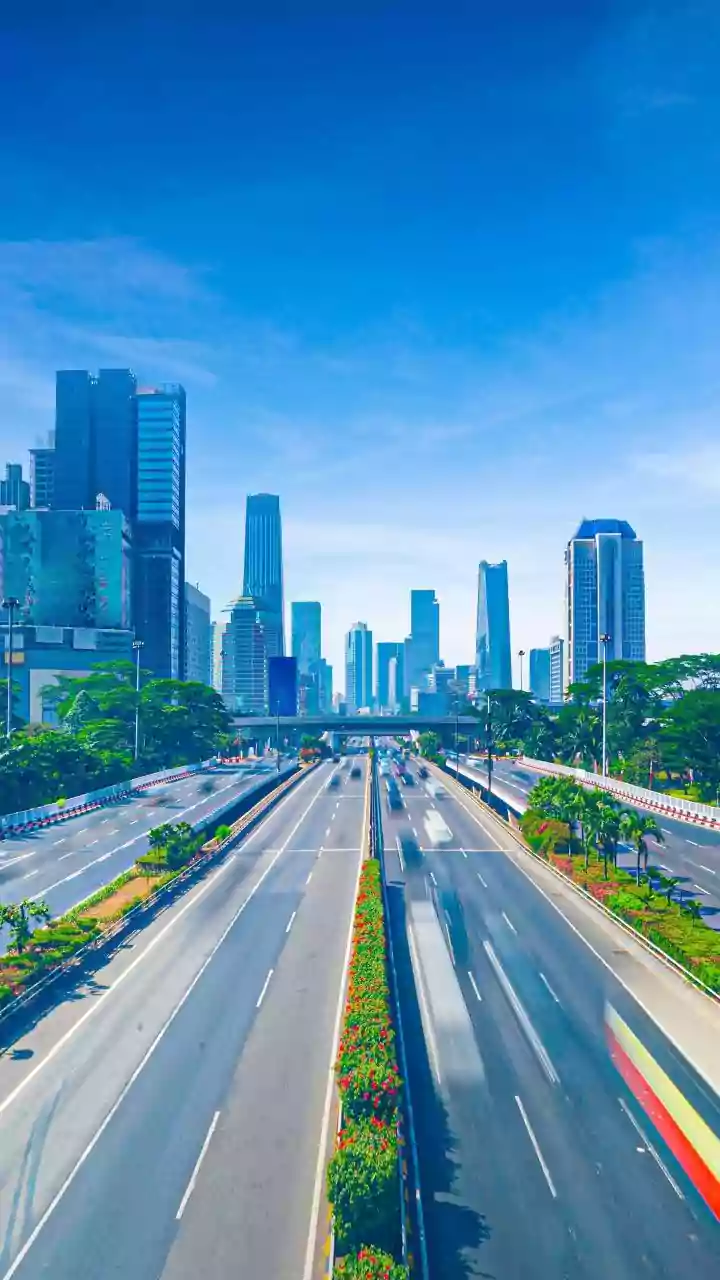
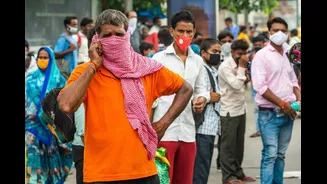
You’ve felt it: the wave of heat that rises from the pavement on a scorching summer afternoon. This is a core component of the Urban Heat Island (UHI) effect, a phenomenon where cities are significantly warmer than surrounding rural areas. Dark surfaces
like traditional asphalt roads and parking lots, which can make up a third of a city's area, absorb between 80% and 95% of sunlight. This stored energy is then slowly released back into the air, particularly at night, preventing cities from cooling down and increasing the risk of heat-related illnesses and straining energy grids as air conditioner use soars. In a country like India, with densely populated urban centres like Delhi and Chennai, tackling the UHI effect is a critical public health and infrastructure challenge.
A Simple Idea: Fighting Heat with Reflection
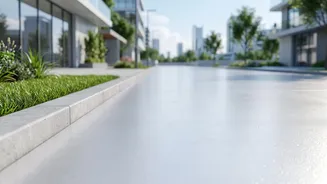
The basic principle behind 'cool pavements' is refreshingly simple: lighter colours reflect more sunlight, while darker colours absorb it. By applying a more reflective coating to a street, you increase its 'albedo'—a scientific measure of how much solar radiation a surface reflects. Instead of absorbing the sun’s energy and heating up, the surface bounces that energy back into the atmosphere. The result is a cooler pavement surface, which in turn contributes to lower ambient air temperatures. Studies and pilot projects, including a major program in Phoenix, Arizona, have shown that these reflective surfaces can lower pavement temperatures significantly, sometimes by as much as 6-7°C during the day. This leads to a modest but beneficial drop in the surrounding air temperature, especially when deployed on a large scale.
The Bio-Engineered Frontier
While simple reflective paints are effective, the next generation of pavement technology is focusing on 'bio-engineered' solutions that promise enhanced performance and sustainability. This term can refer to several innovations. Some companies are developing asphalt binders and rejuvenators derived from renewable resources like wood waste or soy, creating a more flexible and durable surface. These 'bio-asphalts' aim to replace petroleum-based components, reduce carbon emissions during production, and extend the life of the pavement itself. Another avenue of research involves creating coatings that mimic natural processes or structures, such as the microscopic texture of leaves, to improve reflectivity and durability. The goal is to create surfaces that are not only cool but also long-lasting and less reliant on fossil fuels.
More Than Just Cooler Air
The benefits of cool pavements extend beyond simply lowering the mercury. By reflecting more light, they can improve visibility at night, potentially reducing the need for extensive street lighting and saving energy. Cooler road surfaces also experience less thermal expansion and stress, which can slow down deterioration like cracking and rutting, leading to a longer service life and lower maintenance costs over time. Furthermore, when combined with permeable designs that allow water to pass through, they can reduce the temperature of stormwater runoff. This lessens the 'thermal shock' to local rivers and water bodies, protecting aquatic ecosystems. The reduction in ambient heat also means air conditioners in nearby buildings don't have to work as hard, leading to further energy savings.
Challenges on the Road Ahead
Despite the promise, reflective pavements are not a magic bullet. One of the primary concerns is cost, as the materials and application can be more expensive than traditional asphalt. Durability is another key issue; the reflective properties of coatings can degrade over time due to traffic, tire abrasion, and pollution, requiring reapplication every several years. There's also the question of glare. A highly reflective surface can be uncomfortably bright for pedestrians and drivers on a sunny day. In some urban settings, particularly with tall buildings close to the road, the reflected radiation can inadvertently increase the heat load on adjacent structures, warming them up instead of cooling the area. Careful planning is required to ensure these pavements are used strategically where they will be most effective.