








The Dawn of a New Social Scene
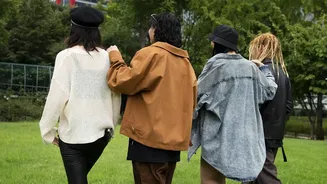
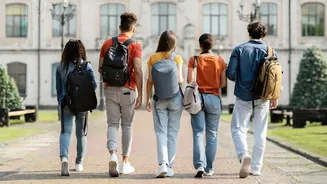
Across India's cities, a subtle but significant shift is taking place. The traditional morning walk, long associated with older generations, is being reclaimed by young adults. Before the workday begins, groups of millennials and Gen Z are gathering in parks
and neighbourhoods, not for intense workouts, but for a shared stroll. This isn't just about fitness; it's a new form of socialising. Run clubs and walking groups, often organised informally through social media, are becoming the new 'third places'—spaces outside of home and work where community is built. In cities like Delhi, Mumbai, and Bengaluru, these meetups are transforming a simple activity into a social event, offering a blend of light exercise, conversation, and connection.
An Antidote to Screen Fatigue
A key driver of this trend is a collective exhaustion with digital life. After years of relying on screens for connection, many young people report feeling drained by the pressure to maintain an online presence and the emotional toll of constant social comparison. This 'screen fatigue' manifests as digital eye strain, poor sleep, and increased anxiety. While technology offered a lifeline for connection, it also led to feelings of loneliness and disconnection from the physical world. The move towards morning walks is a conscious choice to find balance. It’s a rejection of the curated, often draining world of online interaction in favour of genuine, face-to-face engagement that research shows is crucial for mental well-being and combating loneliness.
Low-Pressure Connection and 'Soft' Socialising
Unlike a formal dinner or a loud night out, a group walk offers a low-pressure environment for making friends. The barrier to entry is low—it's free, requires no special skill, and is open to all fitness levels. This accessibility is a huge part of the appeal. Conversation can flow naturally without the forced intensity of a one-on-one meeting; you can chat for a while, fall into comfortable silence, and then talk to someone else. This form of 'soft socialising' removes the pressure to be constantly 'on'. It fosters organic connections, allowing friendships to develop over several weeks. For many who migrated to cities for work or study, these groups are a powerful way to rebuild a sense of community.
The Holistic Wellness Appeal
This trend is also part of a broader movement towards a more holistic and sustainable approach to health. Young adults are increasingly prioritising wellness that supports both physical and mental health without the need for gruelling, high-cost gym regimes. Group walks perfectly fit this mould. Research consistently shows that walking with others improves not only cardiovascular health and fitness but also reduces symptoms of depression. The social component is a powerful motivator; the accountability of meeting a group makes it easier to stay consistent. Exercising with others has been shown to lower stress by a significant margin compared to working out alone and leads to a higher reported quality of life. It’s a simple, effective way to invest in both physical fitness and social bonds simultaneously.
Finding Your Community Stride
For those looking to join the movement, finding a group is easier than ever. Many walking and running clubs are organised and promoted through social media platforms like Instagram and WhatsApp. Searching for hashtags related to your city and 'walking club' or 'run club' is a great starting point. These communities often welcome beginners and are built on a foundation of inclusivity. Some groups are even formed around shared interests, like photography walks, combining the social exercise with a creative hobby. In a post-pandemic world where young people are actively seeking more authentic connections, the simple act of walking together has emerged as a surprisingly profound solution.