







A Hunger for Authenticity
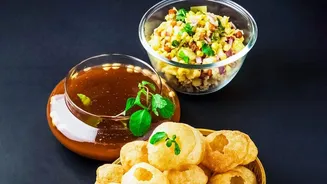
The modern Indian consumer is on a quest for authentic and unique flavours. While large chains offer consistency, they often fall short on regional diversity and traditional taste. There's a growing appreciation for food that tells a story, whether it's
a rediscovered regional recipe or an artisanal product made with traditional methods. This search has led people to explore smaller, independent restaurants and home chefs who offer a more genuine and less standardised culinary experience. Local brands are perceived to have a better understanding of local tastes and preferences, often using locally sourced ingredients that provide an exclusive and authentic feel. This cultural realignment values authenticity over the ubiquity that global brands once promised.
The Unstoppable Rise of Health and Wellness
Health is no longer an afterthought; it's a primary driver of consumer choice. Urban Indians are increasingly conscious of what they eat, leading to a demand for fresh, natural, and transparently sourced food. This trend poses a challenge for many large fast-food chains, which are often associated with processed ingredients and high calorie counts. In contrast, smaller local players and new-age brands are building their identity around clean labels, organic ingredients, and healthier preparation methods. Consumers are actively seeking out high-fibre, plant-based, and probiotic-rich options, and they trust smaller D2C brands more on ingredient quality and sourcing.
Dining as a Digital and Social Experience
In the age of social media, a meal is also content. Platforms like Instagram have turned dining into a visual and shareable experience, giving a powerful advantage to restaurants with unique aesthetics, creative plating, and an interesting story. Food bloggers and influencers have become the new tastemakers, discovering and promoting hidden gems and home chefs, making it easier for consumers to find exciting new places. This has democratised the food scene, allowing smaller establishments to create a buzz and reach a wide audience without the massive marketing budgets of large chains. The desire for an 'Instagrammable' moment often leads consumers to boutique cafes and restaurants that offer a more distinct and photogenic environment.
Technology as the Great Equaliser
Food delivery aggregators have revolutionised the restaurant industry, and not always in favour of the giants. While these platforms expand customer reach for everyone, they also intensify competition. A consumer scrolling through Zomato or Swiggy is presented with a dizzying array of choices, from a Michelin-starred restaurant to a local biryani spot or a cloud kitchen. This has fragmented the market and levelled the playing field, allowing small, independent outlets to compete directly with established QSRs. For many consumers, the convenience of discovering and ordering from a diverse set of local eateries outweighs the pull of a familiar global brand.
The Growing 'Shop Local' Mindset
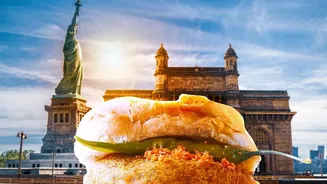
There is a rising sentiment, particularly among younger generations like Gen Z and millennials, to support local businesses and communities. This 'localism' is driven by a mix of national pride, a desire for community connection, and economic factors. Consumers are increasingly aware of where their money goes and often prefer to support a local entrepreneur over a multinational corporation. This shift is not just about food but is part of a broader trend seen across various product categories, where Indian brands are gaining consumer trust and loyalty. Local brands are seen as more relatable and aligned with consumer values, fostering a sense of belonging that global chains can struggle to replicate.