







For the Daily Commuter: A Guide to Navigating the Deluge
For millions of Mumbaikars, the daily commute is a battle against time and crowds. But during the monsoon, it becomes a high-stakes logistical challenge. The intense rainfall in early July, which saw the city receive its entire monthly average in just
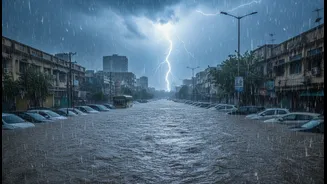
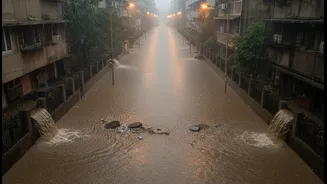
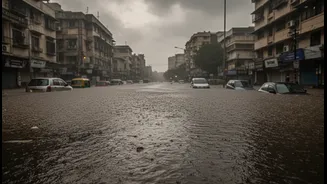
the first seven days, offers a predictive tool for what’s to come. The data isn't just meteorological trivia; it's a direct indicator of impending chaos. Heavy downpours, especially those exceeding 200 mm in 24 hours as seen on multiple days this month, consistently lead to waterlogging in low-lying areas like Andheri and Chembur, paralysing traffic. Rail services, the city's lifeline, face disruptions and cancellations. The IMD's alerts—ranging from green to red—are not abstract warnings. They correlate directly with the severity of disruptions, school closures, and advisories to work from home. Paying attention to the intensity and timing of rainfall—whether it’s a short, sharp burst or a sustained downpour—allows commuters to make informed decisions: to leave earlier, choose an alternative route, or avoid travel altogether. As this year's data shows, with rainfall patterns becoming more volatile, checking the rain stats is as crucial as checking the train schedule.
For the Renter: Decoding Flood Risks and Housing Woes
Choosing a place to live in Mumbai is a complex calculation of cost, space, and commute. The monsoon adds another critical variable: survivability. July's rainfall data serves as a real-world stress test for potential and current rental properties. The monsoon is when a property's hidden flaws are exposed—seepage, damp walls, poor drainage, and leaking windows become glaringly apparent. Real estate experts advise prospective tenants and buyers to inspect properties during or right after heavy rain to see how they, and the neighbourhood, hold up. Even premium residential areas in Bandra, Goregaon, and South Mumbai have reported significant waterlogging this year, proving that a high price tag doesn't guarantee a flood-proof existence. For renters in older, cessed buildings, the stakes are even higher. With around 13,000 such structures, many over 60 years old, heavy rains increase the risk of structural collapse. The rainfall data highlights which areas are most vulnerable, helping renters assess the true cost of their lease, which might include damaged belongings, health issues from dampness, and the constant threat of displacement.
For the Urban Planner: A Blueprint Written in Rain
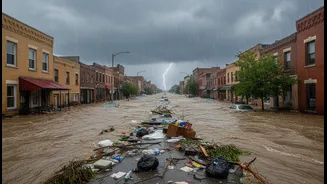
For city administrators and urban planners, Mumbai's July rain data is the most urgent and unforgiving performance review. The unprecedented downpour—the highest for the period in 27 years—has starkly revealed the widening gap between the city’s infrastructure and the realities of a changing climate. Scientists note that the monsoon pattern is shifting from steady seasonal rains to short, hyper-concentrated downpours that overwhelm drainage systems designed for a different era. This year, Mumbai received more rain in one week than Delhi gets in an entire year, a statistic that underscores the immense pressure on the city's infrastructure. The data highlights critical failures: ageing drainage networks, the loss of natural flood buffers like mangroves and open grounds to concretisation, and construction debris choking waterways. It raises difficult questions about current projects. For instance, concerns are growing that the development of a 'Central Park' at the Mahalaxmi Racecourse could compromise one of South Mumbai's last major natural water absorption zones, potentially increasing flood risk. The rainfall numbers are a direct call to action, demanding a shift from reactive measures to building long-term, climate-resilient infrastructure.