

Dhaniya Panjiri
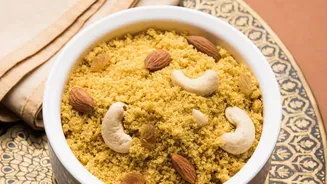
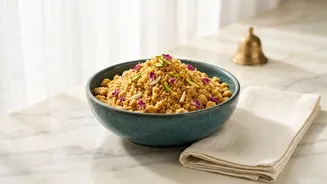
This aromatic, crumbly sweet is a staple prasad for Janmashtami, especially in North India. Since many devotees avoid grains while fasting, this panjiri is made with coriander (dhaniya) powder instead of wheat flour. To make it, simply roast coriander powder in a generous
amount of ghee on low heat until it becomes fragrant and changes to a deep golden colour. This step is crucial and takes a bit of patience. Separately, roast some makhana (fox nuts) and chopped nuts like almonds and cashews in ghee. Once the roasted coriander powder has cooled down, mix it with powdered sugar, the roasted nuts, makhana, and a pinch of cardamom powder. The result is a unique, flavourful, and festive offering that perfectly captures the spirit of the day.
Charnamrit or Panchamrit
No puja is complete without Charnamrit, the divine nectar made from five sacred ingredients. This no-cook recipe is perhaps the easiest bhog to prepare. The five core elements are raw cow’s milk, curd (yogurt), ghee, honey, and sugar. To prepare it, simply combine these five ingredients in a clean bowl. Traditionally, a silver bowl is preferred. You can enhance the flavour and significance by adding chopped nuts, makhana (fox nuts), and a few fresh Tulsi leaves, which are considered very dear to Lord Krishna. It is believed that this blend not only has spiritual significance but also offers health benefits. Serve this sacred drink chilled as the first offering during your puja.
Makhana Kheer
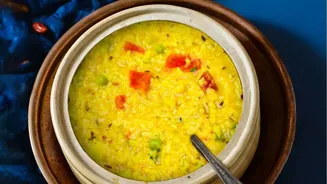
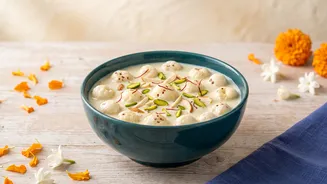
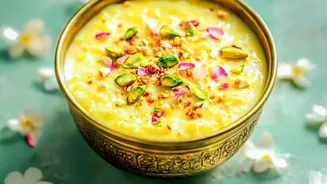
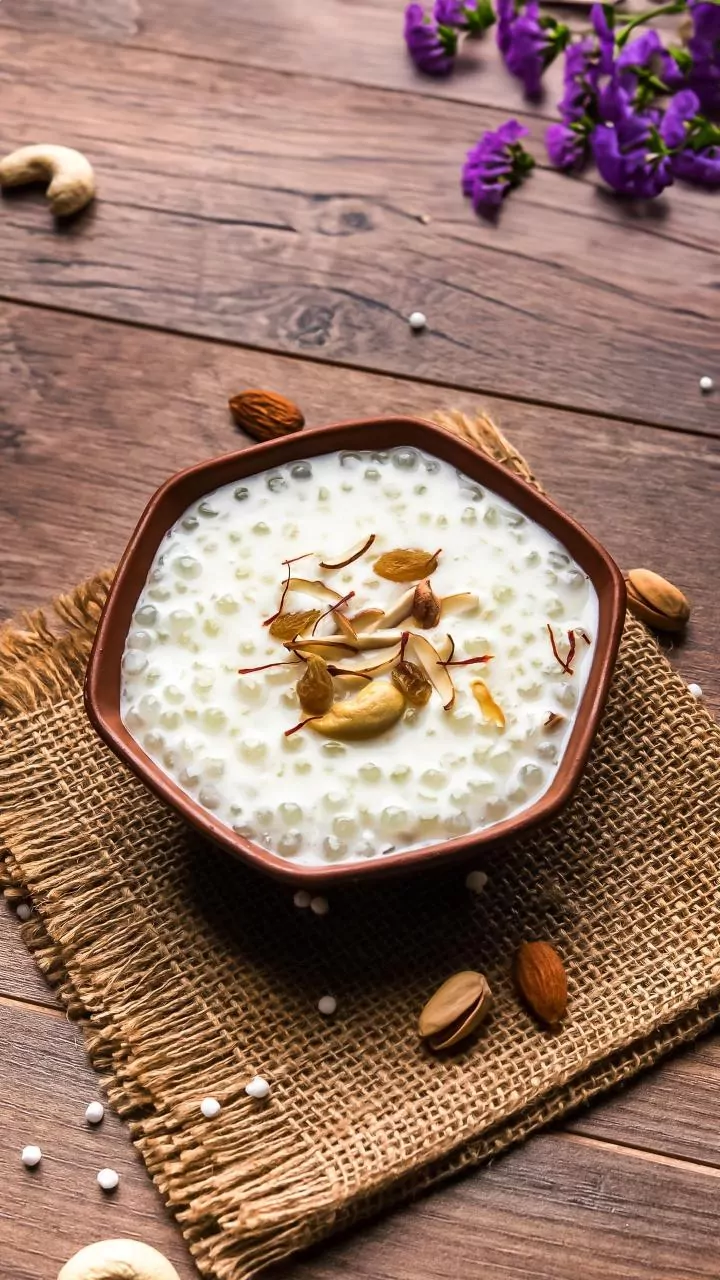
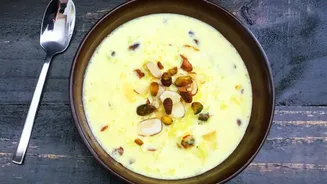
A simple, creamy, and delightful dessert, Makhana Kheer is a wonderful alternative to traditional rice kheer, especially for those who are fasting. Makhana, or fox nuts, are light and nutritious. To start, roast the makhana in a little ghee until they become crisp. You can crush about half of them to help thicken the kheer and leave the other half whole for texture. Next, bring full-fat milk to a boil and add the crushed and whole makhana. Let it simmer on low heat, stirring occasionally, until the milk thickens and reduces. Then, add sugar to your taste, a few strands of saffron for colour and aroma, and a sprinkle of cardamom powder. Garnish with roasted nuts like almonds and cashews before offering.
Gopalkala (Dahi Poha)
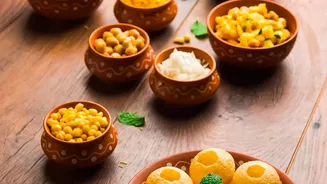
Gopalkala is a savoury dish closely associated with Lord Krishna's childhood tales in Maharashtra. It's a simple, refreshing mix that requires no cooking. The main ingredients are poha (flattened rice), yogurt, and chopped cucumber. Start by gently washing the poha and draining it well. In a bowl, combine the poha with thick yogurt, finely chopped cucumber, grated fresh coconut, and a little salt and sugar. For extra flavour, prepare a simple tempering (tadka) by heating ghee and spluttering some cumin seeds and chopped green chillies. Pour this tempering over the poha mixture and mix everything gently. Some recipes also include pomegranate seeds for a pop of colour and sweetness.
Makhana Paag
Makhana Paag is a traditional sweet fudge or barfi that is crunchy, sweet, and incredibly moreish. It’s a classic Janmashtami preparation that looks impressive but is quite simple to make. Begin by roasting makhana in ghee until they are crisp enough to crush easily. You can crush them coarsely in a mixer or with a mortar and pestle. In the same pan, you can lightly roast some grated coconut. The next step is to prepare a sugar syrup. Dissolve sugar in water and cook it until it reaches a one-string consistency. Once the syrup is ready, turn off the heat and quickly mix in the crushed makhana, roasted coconut, and any additional nuts you like. Spread this mixture onto a greased plate, let it cool, and then cut it into squares.
Instant Coconut Ladoos
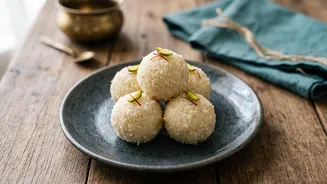
For a truly last-minute sweet that requires minimal effort, Instant Coconut Ladoos are the perfect choice. These can be made with just two or three basic ingredients. The simplest version uses desiccated coconut and sweetened condensed milk. In a pan, lightly toast the desiccated coconut on low heat for a couple of minutes to bring out its aroma. Then, add condensed milk and mix well. Continue to cook for a few minutes until the mixture thickens and starts coming together like a dough. Turn off the heat and let it cool slightly, just enough so you can handle it. Grease your palms with a little ghee, take small portions of the mixture, and roll them into firm, round ladoos. For a finishing touch, you can roll the prepared ladoos in some extra desiccated coconut.