






The Urban Promise Meets a Wall of Rent
India’s bustling metropolitan cities are engines of opportunity, contributing nearly 70% of the nation's GDP. They pull in ambitious individuals with the promise of high-quality jobs, networking, and upward social mobility. The ideal scenario is simple:
land a good job, live reasonably close by, and invest your time and energy into climbing the career ladder. However, this ideal is clashing with a harsh reality. The cost of housing in and around the central business districts of cities like Mumbai, Bengaluru, and Delhi has skyrocketed. For instance, renting a one-bedroom apartment in central Mumbai can consume a massive portion of a young professional's salary, with costs sometimes exceeding ₹60,000 per month. This housing affordability crisis creates a geographic mismatch, pushing a majority of the workforce to the peripheries of the city, far from their workplaces.
The Hidden Tax of a Long Commute
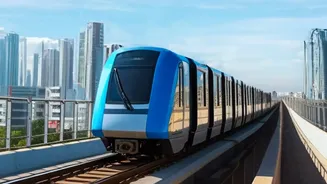
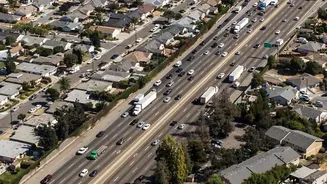
When living near work is not an option, the daily commute becomes an unavoidable and hefty tax paid not just in money, but also in time and well-being. Professionals in cities like Bengaluru report average one-way commute times of over 42 minutes to cover just 11 kilometres. Many workers across India's metros spend two to three hours daily just travelling. This isn't just an inconvenience; it's a direct drain on resources. The financial costs of fuel or public transport add up, but the loss of productive hours is even more significant. Furthermore, long commutes are linked to severe negative health effects, with studies showing that commuters are more likely to suffer from stress, depression, and anxiety. This daily grind leaves individuals physically and mentally fatigued, diminishing their capacity to perform at their best either at work or at home.
How a Long Journey Stalls a Career Path
The time lost in traffic is time that could be spent on activities crucial for career advancement. Think about it: that extra two hours a day could be used for upskilling through an online course, networking with peers, pursuing a side project for extra income, or simply getting enough rest to be sharp and creative the next day. Instead, it's spent on a crowded bus or stuck in a traffic jam. This effectively limits job opportunities, as many are forced to search for roles only within a 'manageable' distance. This constraint means potentially passing up better-paying jobs or positions with greater growth potential simply because they are too far away. Research confirms that long commutes are associated with lower job satisfaction and reduced productivity, creating a vicious cycle where the journey to work actively undermines the very purpose of working.
A Systemic Barrier to Economic Mobility
This issue transcends individual hardship; it represents a systemic barrier to national economic progress. When a significant portion of the workforce is pushed into far-flung suburbs due to unaffordable housing, it perpetuates economic disparities. This phenomenon, known as urban sprawl, can create spatial segregation, where lower-income groups have limited access to the best economic opportunities concentrated in the urban core. The collective loss in productivity is staggering, with traffic congestion in just four major Indian cities costing the economy an estimated ₹1.47 lakh crores annually. While improved transport connectivity has allowed more people to commute rather than migrate, the sheer volume of daily travellers highlights a deeper problem. If cities are to remain ladders of opportunity, the rungs cannot be so far apart that they are impossible to climb.