




A Return to Trusted Traditions
For generations, the Indian household has run on a simple food philosophy: fresh, seasonal, and cooked with care. Yet, for a time, these meals seemed less glamorous than the fancy bowls and exotic ingredients trending on social media. Now, the tide is
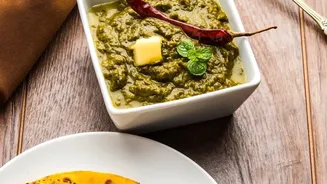
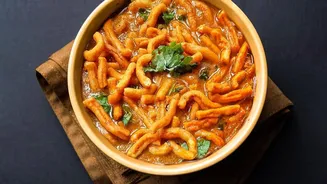
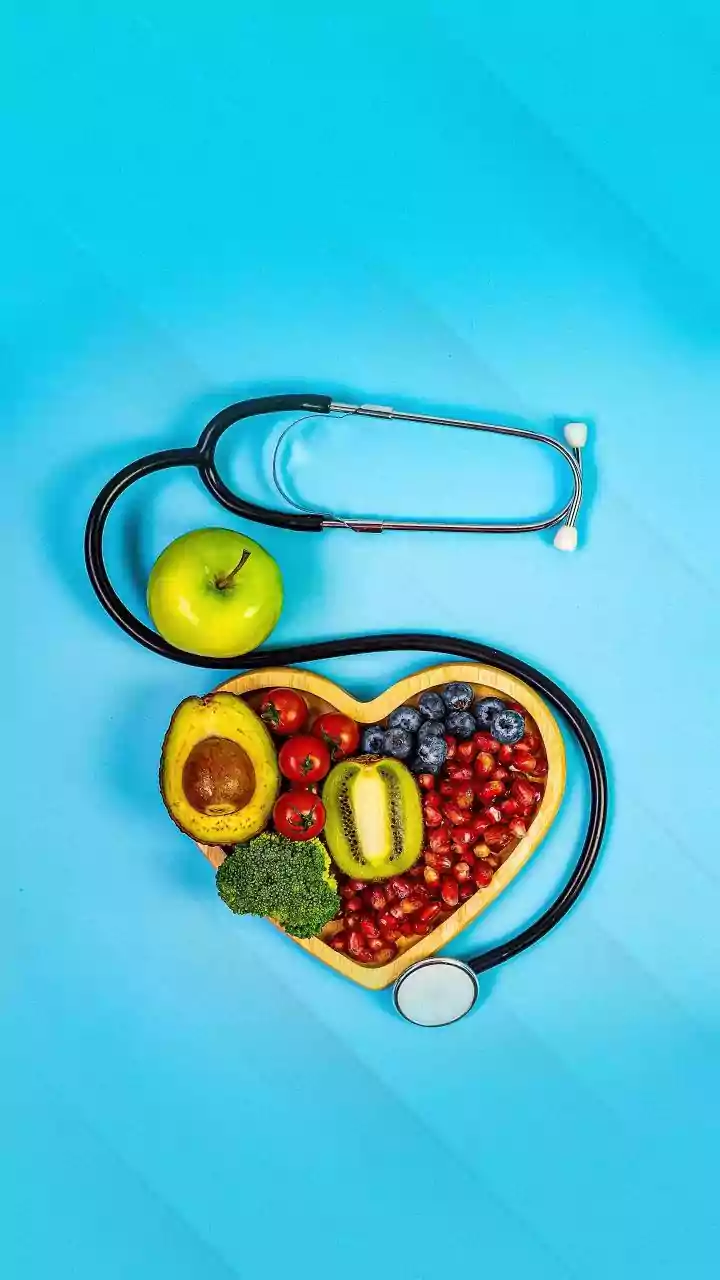
turning. As people grow weary of complicated and expensive diets, there is a renewed appreciation for the wisdom embedded in our culinary heritage. Nutritionists and wellness experts are increasingly advocating for this return to roots, highlighting that balanced eating doesn't require imported quinoa or avocados. The humble plate of dal, roti, sabzi, and dahi, long a staple, is now being recognized for what it has always been—a well-rounded, nourishing meal.
The Scientific Blueprint of an Indian Thali
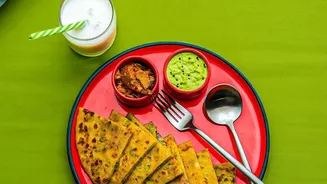
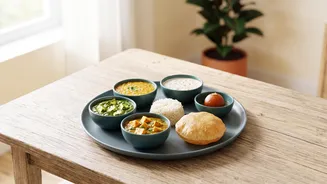
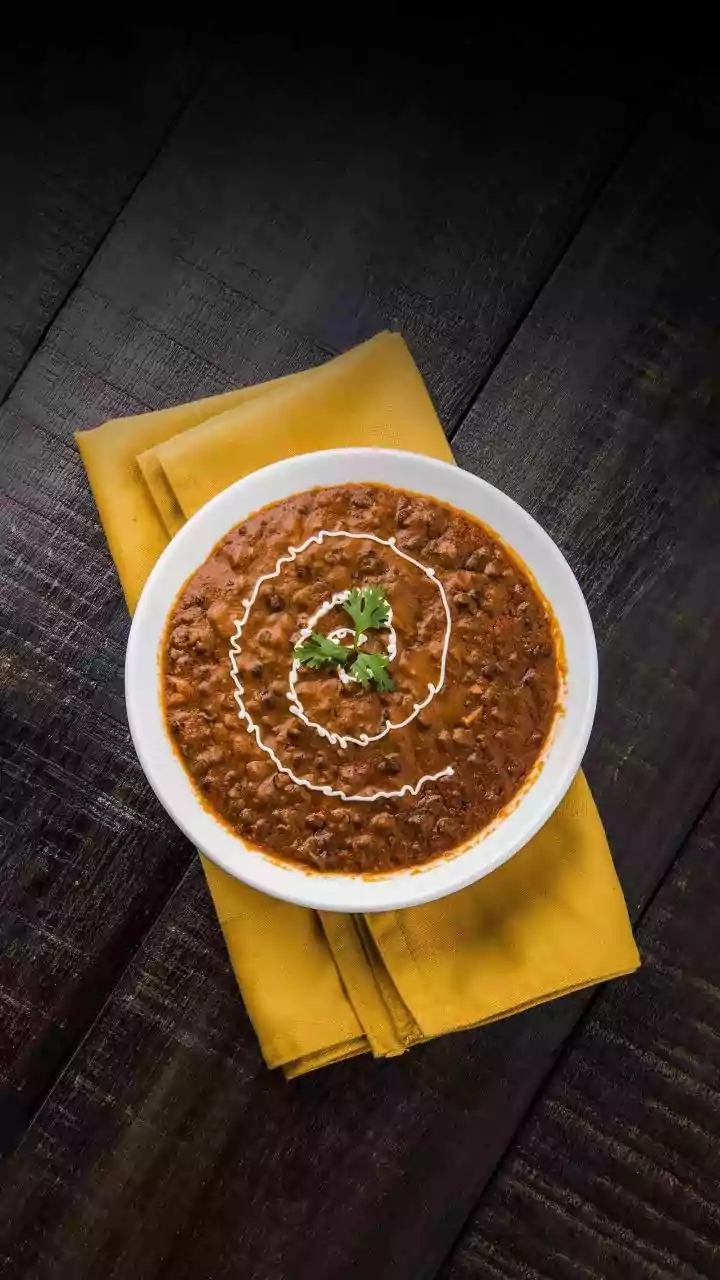
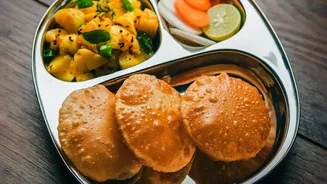
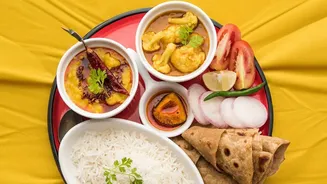
The traditional Indian thali is a masterclass in nutritional science, long before macronutrients became a buzzword. It's a complete system designed for holistic well-being. The plate naturally balances complex carbohydrates from roti or rice for sustained energy, and plant-based proteins from dal (lentils). When grains and lentils are eaten together, they form a complete protein, providing all essential amino acids. The sabzi (cooked vegetables) delivers essential fibre, vitamins, and minerals, while a side of dahi (curd) offers probiotics for gut health and calcium. A touch of ghee or the 'tadka' in dal provides healthy fats necessary for absorbing fat-soluble vitamins. This combination of grain, lentil, vegetables, and fermented dairy ensures a diverse and nutrient-dense meal in one sitting.
Beyond Macros: The Power of Spices and Gut Health
The benefits of ghar ka khana extend far beyond the basic food groups. Indian cooking is renowned for its use of spices, which are not just for flavour but for function. Turmeric, a staple in almost every kitchen, contains curcumin, known for its powerful anti-inflammatory properties. Ginger, garlic, cumin, and coriander aid digestion and support the immune system. Furthermore, the inclusion of fermented foods like dahi and pickles plays a crucial role in maintaining a healthy gut microbiome. A healthy gut is linked to improved immunity, better nutrient absorption, and even enhanced mental well-being. A traditional thali, with its combination of fibre-rich vegetables and probiotic-rich curd, is naturally designed to support digestive health.
Adapting Tradition for Modern Life
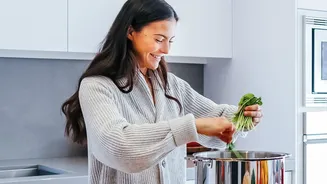
Embracing ghar ka khana doesn't mean ignoring the realities of modern life. While traditional meals are inherently healthy, their benefits depend on preparation and portion size. The perception that anything homemade is automatically healthy can sometimes lead to overlooking excess oil, sugar, or a disproportionate amount of carbohydrates. The key is mindful adaptation. This can mean using lighter cooking methods like steaming or light sautéing, being conscious of the amount of oil and ghee used, choosing whole grains like millet or whole wheat for rotis, and ensuring a generous portion of vegetables on your plate. The goal isn't to fundamentally change these recipes, but to apply modern nutritional awareness to preserve their inherent goodness while fitting them into today's more sedentary lifestyles.