



The Power of a Plant Community
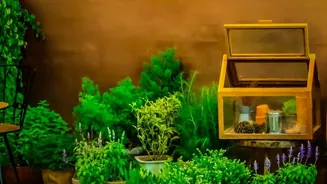
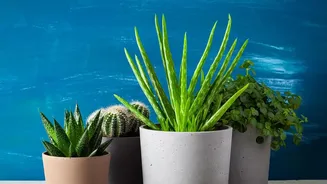
Just as people find comfort in community, so do plants. Grouping potted plants together creates a localized microclimate, a small pocket of atmospheric conditions that differ from the surrounding area. This shared space becomes more hospitable than what
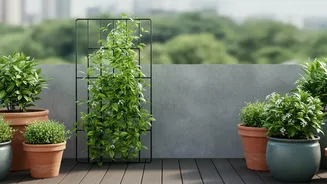
a solitary pot could ever achieve on its own. By clustering them, you are essentially creating a small-scale ecosystem where plants collectively regulate their environment. This is especially beneficial for container gardens on balconies, patios, or even indoors, where plants are more exposed to fluctuating conditions than their counterparts in the ground.
A Natural Humidity Boost
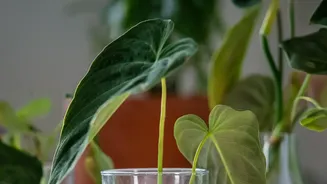
One of the most significant benefits of grouping plants is the increase in ambient humidity. Plants release moisture into the air through a process called transpiration. When a plant is alone, this moisture quickly dissipates. But when several plants are grouped together, their combined transpiration creates a pocket of humid air that benefits all of them. This is particularly helpful for popular tropical houseplants like ferns, calatheas, and philodendrons, which thrive in higher humidity levels that often mimic their native jungle environments. This simple act reduces water loss from leaves and helps prevent issues like brown, crispy leaf tips.
A Shield Against the Elements
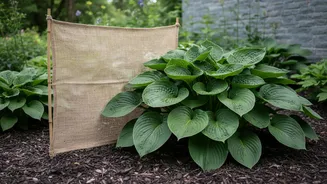
A cluster of pots offers physical protection. Outdoors, larger plants can act as a windbreak for smaller, more delicate ones, reducing stress and physical damage. The collective foliage can also provide shade, protecting sensitive plants from the harsh afternoon sun and preventing the soil from drying out too quickly. This buffering effect extends to temperature. The combined mass of pots and soil helps to insulate the root systems from extreme heat during the day and sudden chills at night. This thermal stability is crucial for root health and, by extension, the overall vitality of the plant.
How to Group Your Plants Effectively
Creating an effective grouping is more than just pushing pots together. For a visually pleasing and horticulturally sound arrangement, consider the “thriller, filler, spiller” method across your collection. Place taller plants ('thrillers') at the back or center of the group. Surround them with medium-sized, bushy plants ('fillers') to add volume and texture. Finally, position trailing plants ('spillers') at the edges where they can cascade over the sides of their pots. This not only looks beautiful but also mimics the layered structure of natural plant communities. Crucially, group plants with similar light and water needs together to simplify care.
What to Watch Out For
While grouping is highly beneficial, it's not without potential downsides. The main risk is reduced air circulation, which can create a damp environment that encourages fungal diseases like powdery mildew. To mitigate this, avoid overcrowding your plants. Ensure there is still some space between them for air to move freely. Another concern is that pests can spread more easily from one plant to another in a dense grouping. Be vigilant and regularly inspect your plants, especially the undersides of leaves, for any signs of trouble. Catching an issue early prevents it from becoming a community-wide problem.