


The Science of Brown: Flavour, Not Texture
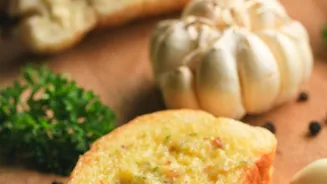
That beautiful golden-brown hue on your roasted vegetables, seared paneer, or toasted bread comes from a magical chemical process called the Maillard reaction. It happens when amino acids (from proteins) and sugars react under high heat, typically above
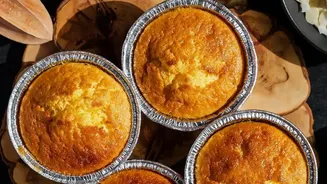
140°C. This reaction creates hundreds of new flavour and aroma compounds, giving browned food its complex, savoury, and irresistible taste. Another browning process, caramelization, occurs when sugars themselves break down at high temperatures, adding sweet and nutty notes. Both create that appealing deep colour we associate with 'doneness', but neither is directly responsible for creating a crisp texture.
The Science of Crisp: Dehydration is Everything
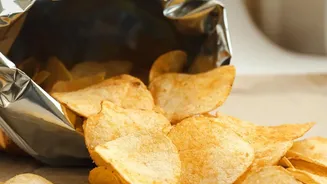
So, if browning is about flavour, what creates that satisfying crunch? The answer is simple: moisture removal. Crispiness is fundamentally a process of dehydration. To get a crispy surface, you must drive out water from the outer layers of the food. As moisture evaporates, the surface dries and hardens into a rigid, brittle structure. When you bite into it, this dry structure shatters, creating the sound and sensation we love. Think of a crispy pakora or a perfectly fried potato chip; their defining characteristic is a lack of moisture on the surface.
Why Colour and Crisp Don't Always Align
Colour and crispiness can happen at the same time, but they often require slightly different conditions, which is where cooks get tripped up. The main culprit is moisture. Since the Maillard reaction requires high heat and a dry surface, any excess moisture will prevent browning. Water's boiling point is 100°C, well below the temperature needed for browning. As long as there's water on the surface, it will just steam. If you<0xE2><0x80><0x99>re overcrowding a pan, for instance, the food releases steam that gets trapped, effectively steaming your ingredients instead of roasting or frying them. This can lead to food that is cooked through and even slightly coloured, but ultimately soft and soggy.
Your Toolkit for Achieving True Crispiness
Mastering crispiness means mastering moisture and heat. First, always pat your food completely dry with paper towels before cooking. This is non-negotiable for searing meat, roasting vegetables, or frying. Second, don't crowd the pan. Give your ingredients space so moisture can escape instead of turning into steam. Third, use the right amount of fat. A thin coat of oil helps conduct heat evenly, promoting both browning and crisping. Fourth, manage your temperature. For deep frying, oil that is too cool will result in greasy, soggy food because the crust won't form quickly enough to stop oil from seeping in. Techniques like double frying—once at a lower temperature to cook the inside, and a second time at a higher temperature to crisp the outside—are used for everything from French fries to Korean fried chicken for this very reason.
Don't Undo Your Hard Work
Achieving a crisp texture is only half the battle; you also have to preserve it. The number one enemy of a crispy crust is trapped steam after cooking. Never place hot, crispy items on a flat plate or in a sealed container immediately. The steam they release will get trapped and turn your crunchy masterpiece back into a soft disappointment. Always let fried or roasted foods rest on a wire rack for a few minutes. This allows air to circulate underneath, letting steam escape and keeping the bottom just as crisp as the top. If you’re adding a sauce, toss it with the food at the very last second before serving to prevent the crust from getting soggy.