



Monitor Official Weather Alerts
Your first step before any travel should be checking the official forecast. The India Meteorological Department (IMD) issues colour-coded alerts (red, orange, yellow) for Mumbai, indicating the expected intensity of rainfall. A red alert often signals
a high probability of extremely heavy rain that can disrupt transport and daily life, and authorities may advise against non-essential travel. You can get these updates from the IMD's official website, its social media handles, or through weather apps. The Brihanmumbai Municipal Corporation (BMC) also relays these warnings and other crucial advisories through its channels. Knowing the forecast helps you decide whether to travel at all.
Check Local Train Status
Mumbai's local trains are its lifeline, but they are also highly vulnerable to disruptions from waterlogging on tracks. Before leaving for the station, always check the running status of the Central, Western, and Harbour lines. During heavy downpours, services can be delayed, diverted, or suspended, especially in low-lying areas. The quickest ways to get information are through official railway apps like Yatri or the National Train Enquiry System (NTES). The official social media accounts of the Central and Western Railways also provide real-time updates on service status. A quick check can prevent a wasted trip to a crowded, waterlogged station.
Assess Road Conditions and Traffic
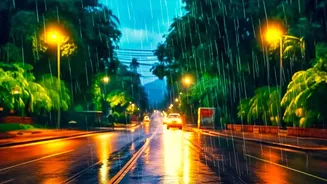
If you are planning to travel by road, be aware of waterlogging hotspots. Areas like Andheri, Dadar, Sion, King Circle, and Kurla are known to flood quickly, leading to massive traffic jams. The Western Express Highway, a key arterial road, often slows to a crawl during heavy showers. Use real-time traffic apps like Google Maps to check for road closures and congestion. The Mumbai Traffic Police also posts updates on diversions and blocked routes on its social media channels. If a journey that usually takes 30 minutes is showing a travel time of over an hour, it is a clear sign to reconsider your plans or choose an alternate route. Sometimes, even if BEST buses are running, they may be diverted from their usual paths due to flooded streets.
Verify Bus and Taxi Availability
BEST buses are often hailed as Mumbai's second lifeline, sometimes continuing to run even when trains have stopped. However, severe waterlogging can force dozens of routes to be diverted or cancelled for safety reasons. Commuters have also reported issues like leaking roofs on some buses during the monsoon, making the journey uncomfortable. Ride-hailing services like Ola and Uber may also have limited availability, and surge pricing is almost a guarantee during a downpour. Before you bank on a bus or cab, check the official BEST social media handles for diversion updates and be prepared for higher fares and longer wait times on apps.
Prepare a Monsoon-Ready Kit
Never underestimate the Mumbai monsoon. A journey can take unexpectedly long, and being prepared is crucial. Your monsoon kit should include a sturdy umbrella or raincoat, waterproof footwear, and a waterproof bag or pouch for your phone, wallet, and other electronics. Carrying a fully charged power bank is a lifesaver, as your phone becomes your map, communication device, and source of information when you are stranded. It is also wise to carry a bottle of water and some snacks. If you have space, keeping a spare set of dry clothes and a small towel at your workplace can make a huge difference.
Know Key Emergency Helplines
In case of an emergency, having the right numbers handy is critical. The BMC's disaster management helpline is 1916, which can be used for civic issues like waterlogging and fallen trees. The all-India railway helpline is 139 for train-related emergencies and enquiries. Other important numbers include the police hotline (100 or 112) and specific fire station contacts. It is a good practice to save these numbers on your phone before the monsoon season peaks, so you are not left searching for them in a crisis.