




The Science of Living Light
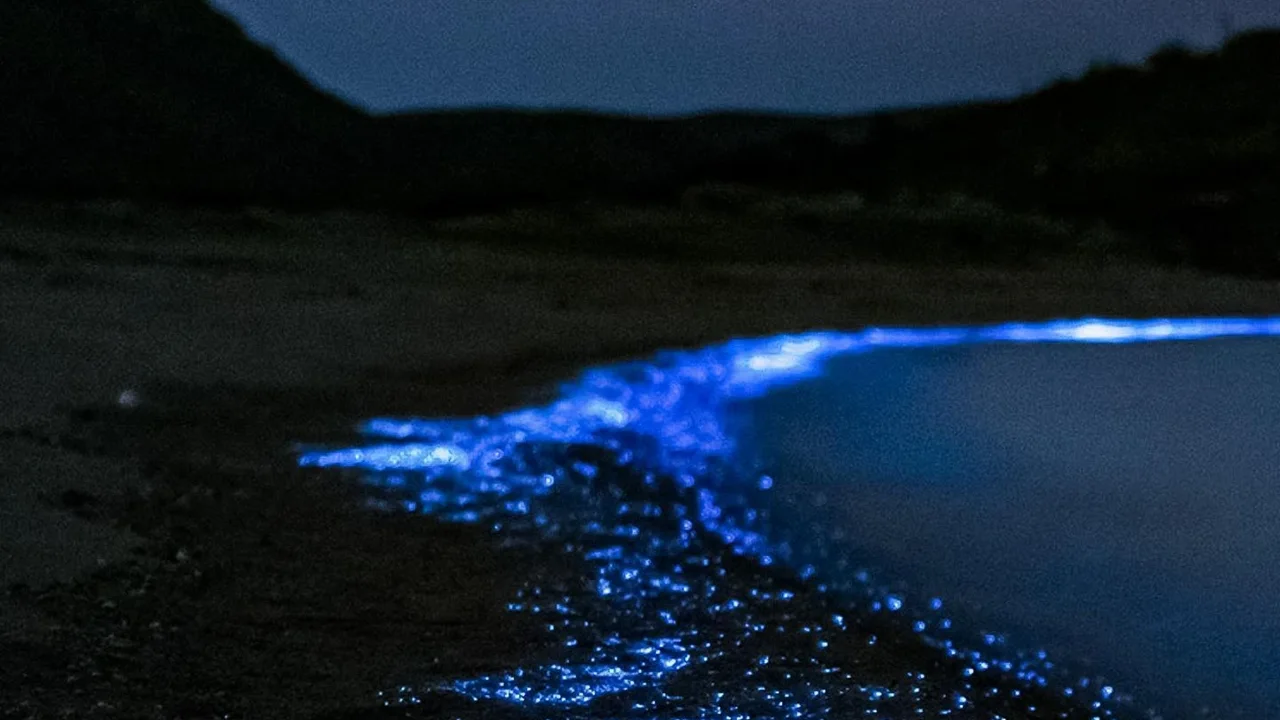
At the heart of this futuristic vision is bioluminescence, the very same natural phenomenon that makes fireflies glow and certain ocean algae sparkle in the waves. Organisms produce this 'living light' through a chemical reaction involving a light-emitting
molecule called luciferin and an enzyme, luciferase. For decades, scientists have dreamt of harnessing this natural process. Early experiments involved inserting genes from fireflies or marine bacteria into plants. However, these initial efforts often resulted in a faint glow that required external triggers or wasn't self-sustaining. The real breakthrough came from an unexpected source: mushrooms. Researchers discovered that the bioluminescence pathway in some fungi is surprisingly compatible with the natural metabolism of plants. This allows for a continuous, self-powered glow that lasts throughout the plant's life.
From Lab Curiosity to Commercial Reality
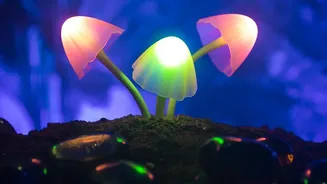
What was once a laboratory curiosity is now entering the mainstream, thanks to companies like Light Bio. Their 'Firefly Petunia' became one of the first commercially available bioluminescent plants in the United States, made possible by integrating genes from luminous mushrooms. This petunia glows constantly, with the newest growth and flowers shining the brightest, creating a soft luminescence comparable to moonlight. While currently sold as a novelty houseplant, the success of the Firefly Petunia represents a major milestone. It proves that stable, visibly glowing plants can be created and grown by ordinary consumers. Following this, researchers in China announced they have successfully engineered more than 20 different species of glowing plants, including roses, orchids, and sunflowers, bringing the dream of a luminous garden or park closer to reality.
The Urban Glow-Up: A City's Dream?
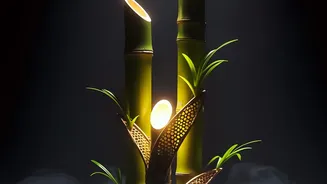
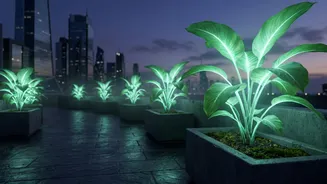
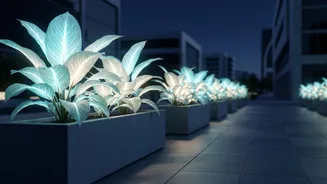
The ultimate goal for many researchers extends beyond decorative houseplants to transforming urban landscapes. Street lighting is a massive expense for municipalities, in some cases accounting for up to 40% of a city's budget and contributing significantly to its carbon footprint. Replacing even a fraction of these electric lights with bioluminescent trees could lead to immense energy savings. These living streetlights would be self-sufficient, powered by their own metabolic processes, requiring no electricity grid. The benefits are not just financial. Glowing flora could drastically reduce light pollution, which disrupts wildlife and human health. It also offers a chance to create safer, more beautiful, and magical urban spaces, turning a simple walk in the park into an enchanting experience. Pilot projects, like one in Rambouillet, France, have already experimented with using glowing bacteria in tubes as a form of low-energy public lighting.
Hurdles on the Path to Illumination
Despite the exciting progress, a city lit entirely by glowing trees is still on the horizon. The most significant challenge is brightness. The light emitted by current bioluminescent plants is soft and subtle, best viewed in near-total darkness. It is not yet intense enough to replace the high-intensity lamps needed for major roadways. There are also questions of cost, scalability, and public perception surrounding genetically modified organisms (GMOs). Introducing a genetically engineered species into an urban ecosystem requires careful consideration and regulatory approval to ensure it poses no environmental risk. Furthermore, while the technology is proven, making it robust enough to thrive in the harsh conditions of a city street and bright enough for public safety remains a significant engineering challenge that researchers are actively working to solve.