


A Perfect Recipe for Celestial Views
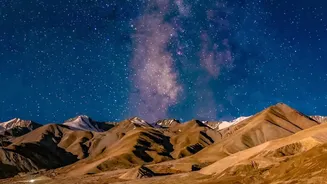
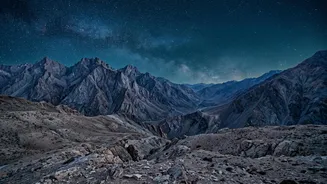
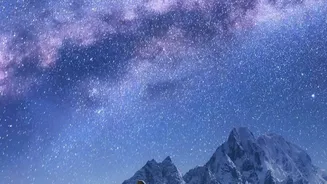
Spiti's reputation as an astronomer's paradise isn't accidental; it's a result of a unique geographical trifecta. Three crucial elements converge here: extreme altitude, a cold desert climate, and profound isolation. This combination results in night
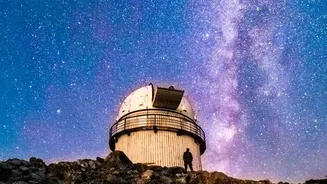
skies so dark and clear they are rated Bortle Class 1, the highest grade of darkness possible, a condition most people on Earth have never experienced. Unlike typical travel destinations, the main attraction in Spiti often begins after sunset, when the Milky Way becomes so bright it can cast a faint shadow.
The High-Altitude Advantage
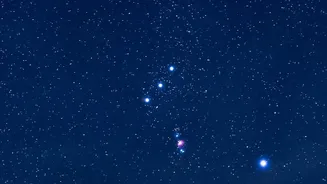
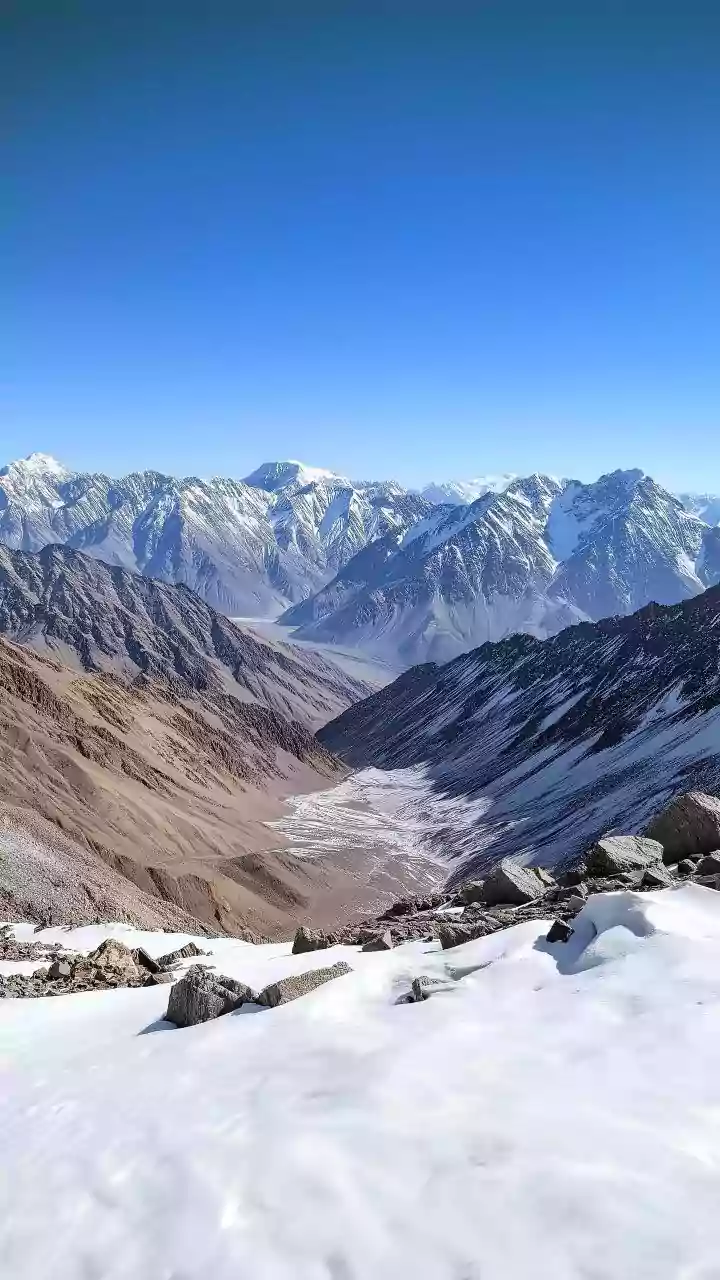
Most of Spiti Valley is situated at altitudes between 3,300 and 5,000 metres (about 11,000 to 16,000 feet). At this height, you are above a significant portion of the Earth's atmosphere. A thinner atmosphere means less dust, water vapour, and other particles to distort or dim the starlight traveling millions of light-years to reach your eyes. The air is so crisp and clean that stars barely twinkle; they shine with a steady, intense light. This clarity makes it possible to see not just thousands of stars, but also distant galaxies like Andromeda with the naked eye.
A Desert in the Rain Shadow
Spiti is called a 'cold desert' because it lies in a rain shadow. The towering Himalayan ranges block monsoon clouds from entering the valley, resulting in extremely low rainfall and humidity. This bone-dry air is a key ingredient for pristine stargazing. Water vapour in the air, common in lower altitudes and humid regions, can scatter light and obscure faint celestial objects. In Spiti's arid environment, the sky remains exceptionally transparent, offering uninterrupted views of constellations, meteor showers, and planetary alignments throughout the year. The best months are often May through October, when the weather is more accessible but the skies remain clear.
The Sanctuary of True Darkness
Perhaps the most critical factor is the near-total absence of light pollution. Spiti is one of the most sparsely populated regions in India, with tiny villages and no major cities for hundreds of kilometres. This isolation means there are no bright city lights to wash out the night sky. In villages like Langza, Komic, and Kibber, the few lights that exist are often switched off early, plunging the valley into a profound darkness. These villages, some of the highest inhabited places in the world, have become sought-after destinations for astrophotographers and stargazers seeking a truly immersive cosmic experience.
Embracing the Cosmos
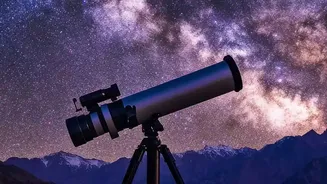
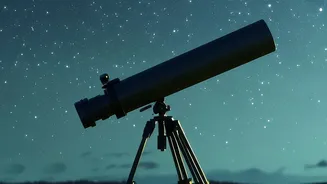
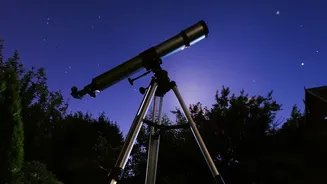
The local communities in Spiti have embraced their unique celestial asset. Many villages like Kibber, Langza, and Komic now offer homestays that cater to astro-tourists, providing basic comforts under some of the darkest skies on the planet. Some operators even run guided stargazing sessions with telescopes and astrophotography workshops. This allows visitors not just to see the stars, but to understand them, connecting with the cosmos in a landscape that feels almost as otherworldly as the night sky above it. The experience is enhanced by the region's ancient culture, with thousand-year-old monasteries often providing a stunning foreground for a spiraling galaxy.