






The Deceptive Comfort of AC
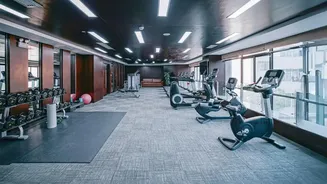
Working out in the high humidity of the Indian monsoon can be draining, making a cool, air-conditioned gym feel like a sanctuary. However, this comfort can be deceiving. Air conditioners work by removing moisture from the air, creating a dry environment.
This dry air causes the sweat from your skin to evaporate much more quickly than it would outdoors. While this makes you feel less sweaty and more comfortable, it masks the true amount of fluid your body is losing. This can lead you to underestimate your hydration needs, setting the stage for dehydration and electrolyte loss.
Sodium: The Essential Fluid Balancer
Sodium is the primary electrolyte lost through sweat and is absolutely critical for maintaining your body's fluid balance. It helps regulate blood volume, supports nerve function, and is essential for muscle contractions. When you sweat heavily—even if you don't feel it in a cold gym—your sodium levels can drop significantly. Early signs of depletion can include muscle cramps, headaches, nausea, and fatigue. Ignoring these signs and continuing to hydrate with plain water can further dilute your blood's sodium levels, potentially leading to a dangerous condition known as hyponatremia.
Magnesium: The Unsung Hero of Muscle Function
While sodium gets much of the attention, magnesium is another vital mineral that plays a key role in athletic performance and recovery. It is involved in over 300 processes in the body, including energy production, muscle relaxation, and nerve transmission. Like sodium, magnesium is lost through sweat, and a deficiency can manifest as muscle twitching, weakness, and fatigue. For those engaging in regular workouts, ensuring adequate magnesium intake is crucial for preventing cramps, supporting recovery, and maintaining overall energy levels.
Recognising the Warning Signs
Your body provides clear signals when its electrolyte stores are running low. Being in a cool, comfortable gym might make you less likely to attribute these symptoms to your workout, but it's important to pay attention. Common signs of sodium and magnesium imbalance include persistent muscle cramps or twitching, unusual fatigue or weakness not proportional to your workout, headaches, and feelings of dizziness or confusion. If you experience these symptoms, it's a sign that you need to stop and replenish, not just with water, but with electrolytes.
Smart Replenishment Strategies
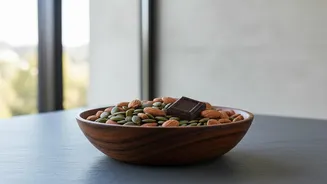
Replenishing these crucial minerals doesn't require expensive supplements. You can effectively restore balance through your diet. To boost sodium, consider adding a small pinch of sea salt to your water, or having a snack like salted nuts or cheese after your workout. For magnesium, focus on incorporating foods like bananas, avocados, spinach, almonds, and dark chocolate into your daily meals. Coconut water is another excellent natural option, providing a good source of potassium and some sodium and magnesium. The key is to rehydrate with a combination of fluids and electrolyte-rich foods, especially after an intense session.