
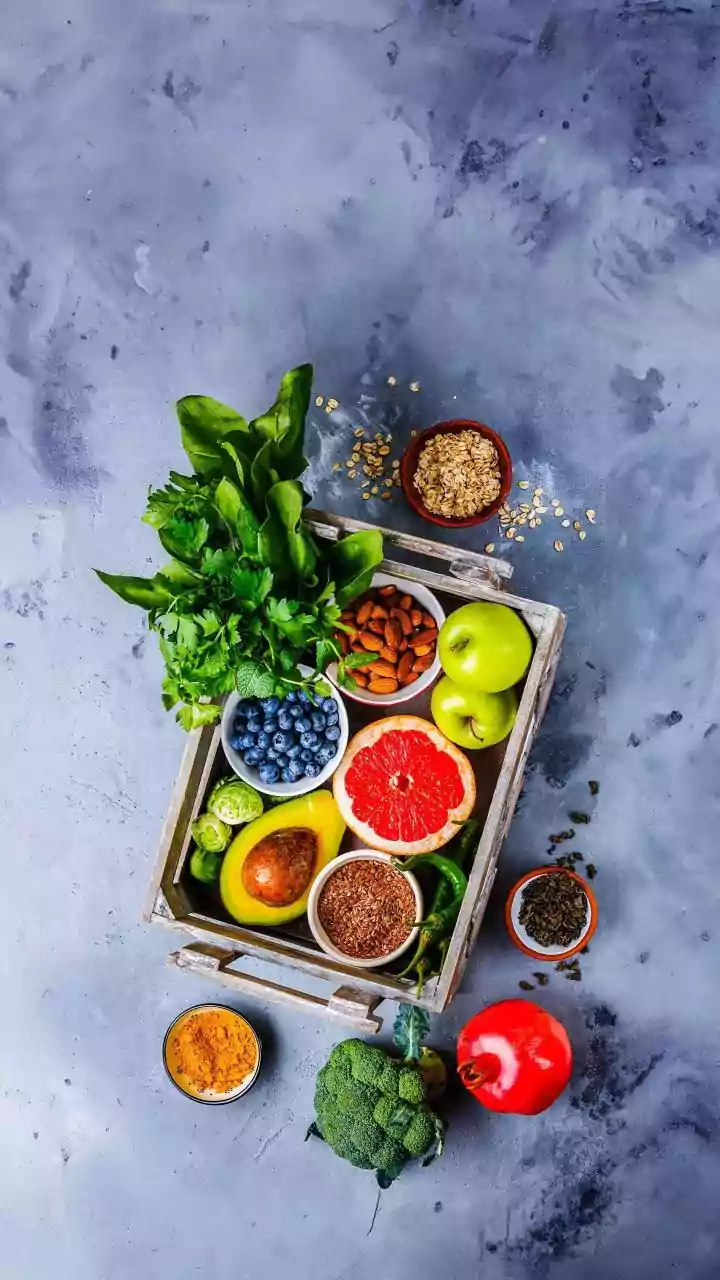







Why Your Stomach Struggles in the Rain
Have you ever felt bloated, heavy, or simply less hungry during the rainy season? You're not alone. This seasonal shift is a well-known phenomenon, explained by both modern science and traditional Ayurvedic wisdom. The increased humidity in the atmosphere
during monsoon is believed to slow down our metabolism and weaken our digestive capabilities. According to Ayurveda, this period, known as 'Varsha Ritu', naturally dampens our 'Agni' or digestive fire. A weakened Agni means food isn't broken down as efficiently, leading to common issues like gas, acidity, and a general feeling of lethargy after meals. The damp environment is also a breeding ground for bacteria and viruses, increasing the risk of stomach infections from contaminated food and water.
Embrace Light, Warm, and Cooked Foods
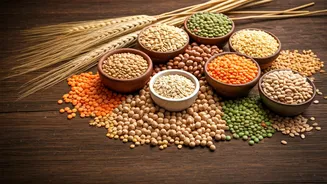
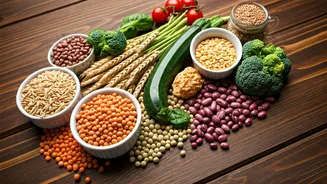
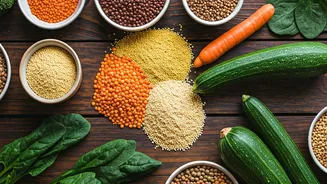
The golden rule for monsoon eating is to favour meals that are light, warm, and well-cooked. Raw foods, including salads, should be approached with caution as they can harbour microbes that thrive in moist conditions. Steaming, boiling, and preparing soups are excellent cooking methods for this season. Opt for easily digestible vegetables like bottle gourd (lauki), ridge gourd (torai), pumpkin, and carrots. Grains such as aged rice, barley, and millets are also recommended. The goal is to nourish your body without overburdening a digestive system that's already working at a slower pace.
Power-Packed Ingredients for Your Monsoon Kitchen
Incorporating certain spices and ingredients can significantly aid digestion. Ginger, with its anti-inflammatory properties, is a monsoon superstar; adding it to teas and meals can soothe the stomach. Turmeric is another powerful spice known for boosting immunity and fighting inflammation. Other helpful spices include cumin, black pepper, and hing (asafoetida), which are traditionally used in Indian cooking to make food lighter and prevent gas. Moong dal is particularly praised during this season for being exceptionally easy to digest, making it a perfect base for many meals.
Simple and Soothing Meal Ideas
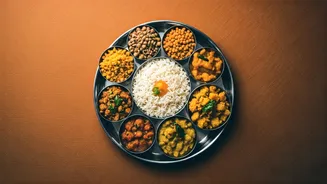
You don't need complex recipes to eat right this monsoon. One of the most highly recommended meals is Khichdi. Made from rice and moong dal, it's a complete, balanced, and incredibly soothing meal for the gut. A warm bowl of vegetable soup is another excellent choice, providing hydration and nutrients without being heavy. For breakfast or a light dinner, consider options like steamed idlis, poha, or upma. A simple meal of dal, rice, and a cooked vegetable like lauki or pumpkin is a perfect, easy-to-digest lunch.
What to Limit or Avoid
Just as important as what to eat is what to avoid. It’s best to steer clear of heavy, deep-fried foods like pakoras and samosas, as they are hard to digest and can lead to acidity. Street food, while tempting, carries a higher risk of contamination during this season. Leafy green vegetables like spinach and cabbage require extra care; they can carry a lot of dirt and germs from the rain-soaked soil, so they must be washed thoroughly and cooked well if consumed. It's also wise to limit heavy dairy products like cheese and paneer, as they can feel heavy on the stomach. Some experts even suggest that curd can aggravate colds and sinus issues, which are common during this time.
Don't Forget to Hydrate Smartly
The weather might be cooler, but staying hydrated remains crucial for flushing out toxins and supporting digestion. However, instead of cold drinks, which can further dampen the digestive fire, opt for warm liquids. Boiled and cooled water is the safest choice. Herbal teas made with ingredients like ginger, tulsi, mint, or fennel are fantastic options. These not only provide hydration but also have properties that actively soothe the stomach and boost immunity.