






Understanding Festive Fatigue
During festive periods, it's normal to feel your energy levels dip. Packed social schedules, late nights, travel, and an abundance of rich foods and drinks can leave you feeling less than motivated to hit a high-intensity workout. Factors like increased
stress from holiday preparations and disrupted sleep patterns directly impact your physical and mental stamina. Rather than viewing this as a setback, it's an opportunity to practice a more intuitive approach to fitness. Acknowledging these challenges is the first step toward creating a flexible exercise plan that works with your body, not against it.
Listen to Your Body's Signals
The most effective tool you have is your own perception. 'Listening to your body' means paying attention to signals like fatigue, muscle soreness, and general mood. A simple way to quantify this is by using the Rate of Perceived Exertion (RPE) scale, which typically runs from 0 (nothing at all) to 10 (maximal effort). On any given day, ask yourself how you feel. A 3-5 rating might feel 'moderate' and perfect for a steady workout, while on other days, just aiming for a 'very light' 1-2 is a victory. This subjective scale is invaluable because it accounts for external factors like stress and sleep, which a heart rate monitor alone can't capture. It helps you decide whether to push forward or ease back, ensuring your effort is appropriate for how you feel that day.
Strategies for High-Energy Days
When you wake up feeling rested and energetic, take advantage of it. These are the days to tackle a more challenging workout. This could be your regular high-intensity interval training (HIIT) session, a longer run, or a strength-training routine where you aim for muscle fatigue. Feeling good is a green light to push yourself, but remember to maintain proper form to avoid injury. Capitalising on these moments helps you maintain your fitness base, making it easier to get back into a full routine after the holidays. Scheduling these workouts in the morning can also be effective, as willpower is often strongest at the start of the day.
Smart Choices for Low-Energy Days
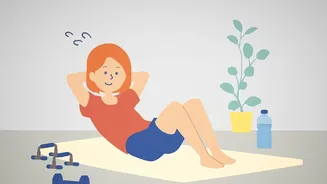
On days when your energy is low, the goal is consistency, not intensity. The 'all-or-nothing' mindset is a common trap; feeling like you can't do your 'real' workout often leads to doing nothing at all. Instead, embrace low-intensity alternatives that keep your body moving and your habits intact. Options like a brisk walk, gentle yoga, stretching, or a light mobility flow can be incredibly beneficial. These activities improve circulation, reduce stress, and contribute to your weekly activity goals without further depleting your energy reserves. Even a 10-minute session of bodyweight exercises like squats and push-ups in your hotel room can make a difference. Remember, some movement is always better than none.
Incorporate Movement into Festivities
Exercise doesn't always have to be a structured session at the gym. Look for opportunities to be active with friends and family. Suggest a group walk to look at holiday lights, go for a bike ride, or try a seasonal activity like ice skating. These activities combine social time with physical movement, making fitness feel like a natural part of the celebrations rather than another chore on your to-do list. Turning exercise into a shared experience can also help with accountability and make it more enjoyable for everyone involved.
Fuel and Hydrate for Success
What you eat and drink plays a significant role in your energy levels, especially during the holidays. While it's important to enjoy festive foods, try to include balanced meals with protein, fibre, and healthy fats when you can. Staying hydrated is also crucial, as even mild dehydration can contribute to feelings of fatigue. Carrying a water bottle with you can be a simple reminder. Similarly, getting enough sleep is one of the most effective ways to support your body's recovery and energy levels, making it easier to stay active.