








The Rise of Bamboo Architecture
This movement didn’t spring from nowhere. For years, Bali has been a playground for innovative, sustainable architecture, largely thanks to pioneers like John Hardy and his daughter Elora Hardy. Their work, most famously showcased at the Green School
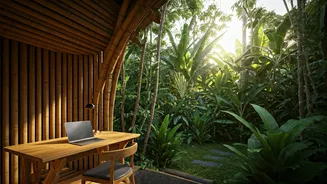
and through the design firm IBUKU, transformed bamboo from a humble building material into the backbone of breathtaking, multi-storey structures. These aren’t simple huts; they are architecturally ambitious villas, workspaces, and community halls that curve and flow with organic grace. The philosophy is simple: build in harmony with nature, using a resource that grows abundantly and regenerates quickly. What began as an educational and residential experiment has now evolved into a new kind of workplace, perfectly timed for the global explosion in remote work.
More Than Just Good Wi-Fi
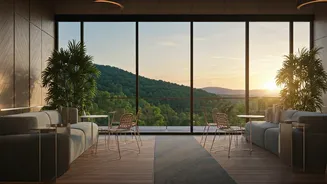
For the modern digital nomad—a diverse group including programmers, writers, marketers, and entrepreneurs from across the globe, including a growing number from India—the appeal goes far beyond aesthetics. The conventional co-working model, with its glass partitions and unlimited coffee, is being challenged by a desire for something more holistic. These bamboo hubs offer not just a desk and a power socket, but an integrated lifestyle. They are often co-living spaces where residents work, eat, and socialise together. The open-air design, natural ventilation, and constant connection to the outdoors are seen as antidotes to the burnout and isolation that can accompany both traditional office life and solitary remote work. It’s a deliberate choice to prioritise well-being alongside productivity.
A Community Built on 'Conscious' Values
The common thread tying these communities together is a shared set of values. The residents are often self-selected individuals interested in sustainability, personal growth, and meaningful connections. A typical day might start with a group yoga session, followed by hours of focused work in a quiet corner of a bamboo hall. The evenings are for community dinners, skill-sharing workshops on everything from cryptocurrency to breathwork, or simply networking with like-minded people. This focus on community is a powerful draw. While the dream of being a digital nomad often starts with freedom and travel, the reality can be lonely. These hubs provide a ready-made network of peers and friends, combating isolation and fostering a sense of belonging far from home.
The Sustainability Question
The “eco” in eco-hub is a major selling point. Bamboo is a remarkable resource; it's a type of grass that can grow several feet in a single day and matures in just a few years, making it highly renewable compared to timber. The architectural designs often incorporate passive cooling, rainwater harvesting, and organic gardens. However, the picture isn't perfect. The lifestyle of international digital nomads, with its reliance on air travel, creates a significant carbon footprint that can seem at odds with the sustainable ethos of their immediate surroundings. Critics point out this paradox, but for many, living and working in a place that respects its local environment is a step in the right direction—a conscious effort to live more lightly on the earth, even if the journey to get there was heavy.
A Glimpse of the Future?
While Bali may seem a world away, this trend holds powerful lessons for the future of work everywhere, including India. As companies embrace remote and hybrid models, the demand for inspiring and healthy work environments is growing. The idea of the 'workation' is already popular, with people decamping to places like Goa, Manali, and Rishikesh. The Bali model suggests the next evolution: purpose-built communities that blend work, wellness, and nature. Imagine bamboo-inspired co-working hubs in the Western Ghats or Himalayan foothills, leveraging local materials and design principles. The trend in Bali is more than just a tropical fantasy; it’s a working prototype for a more balanced, intentional, and sustainable way to integrate life and work.