


From Giant Leaps to Deliberate Steps
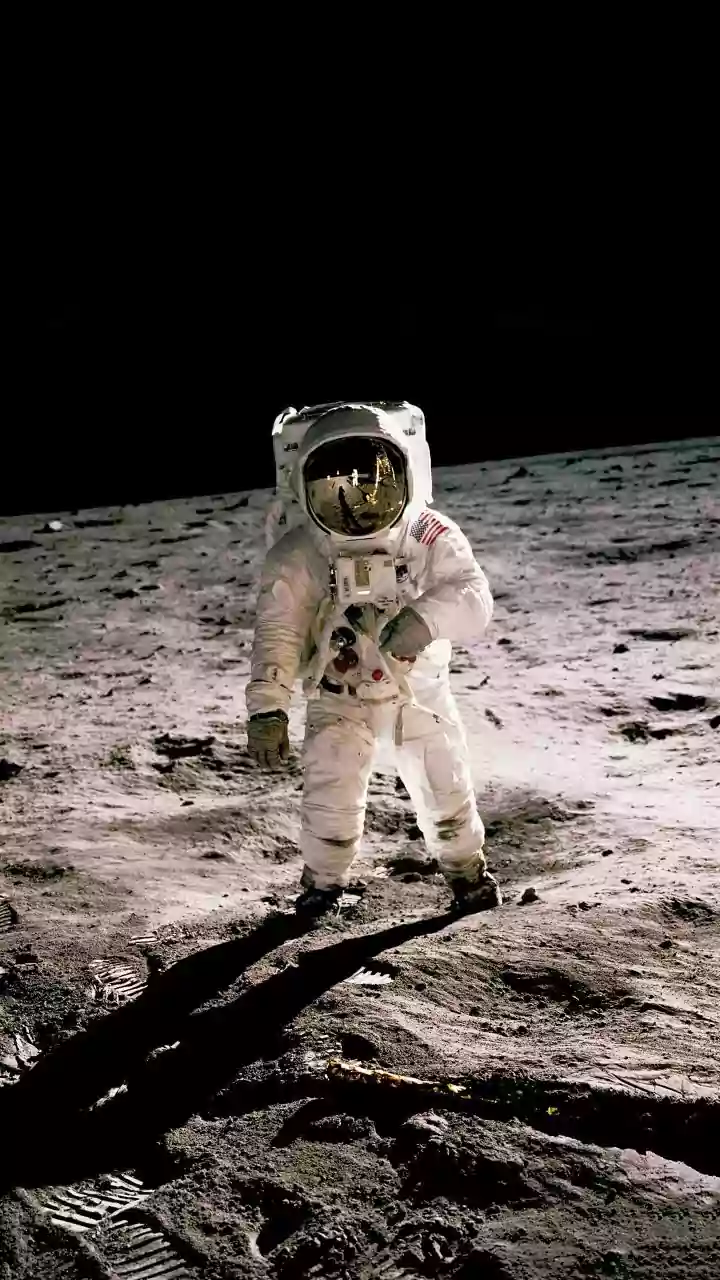
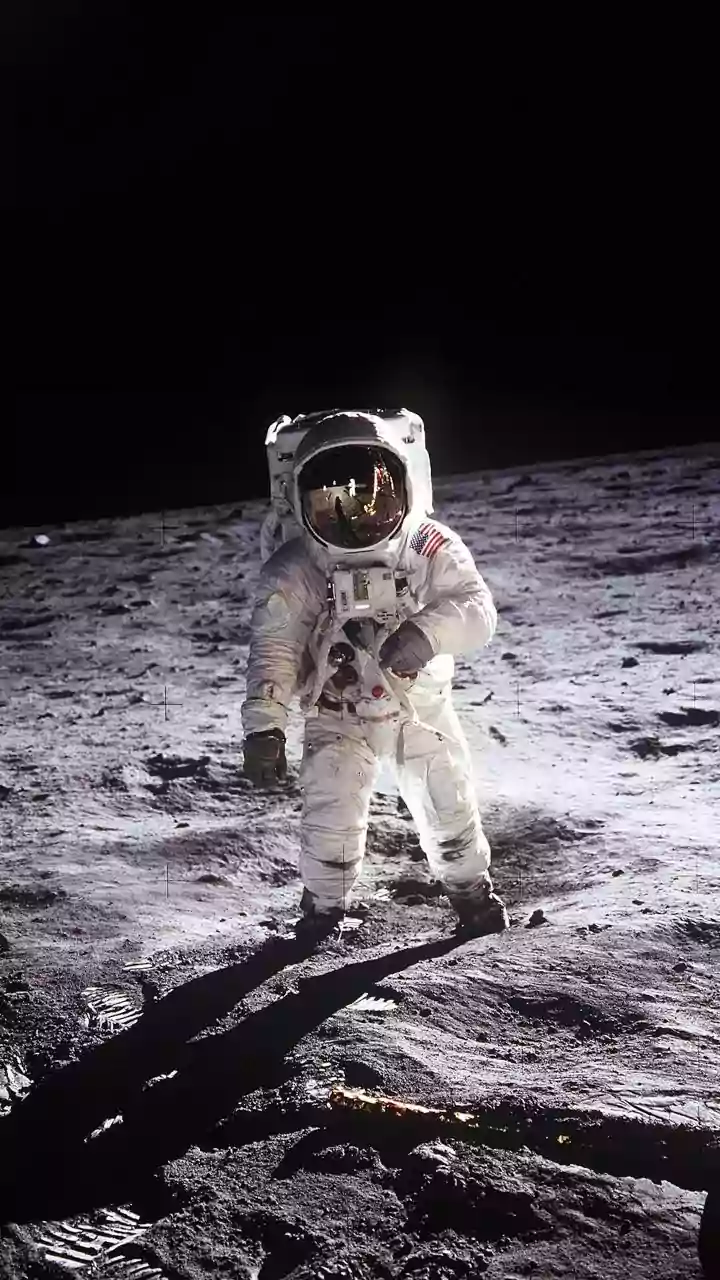
After the triumphant Apollo 11 mission in 1969, humanity took five more journeys to the lunar surface, with the last astronauts leaving in December 1972. Many wondered, what's next? Why didn't we go straight to Mars? The reality was that the technology
for getting to the Moon was incredibly expensive and not reusable. The next logical phase of space exploration wasn't about planting flags, but about building the fundamental infrastructure needed to live and work in space sustainably. This meant developing reusable spacecraft to lower launch costs and learning how humans could endure long periods in orbit. The focus shifted from a sprint to the Moon to the marathon of making space accessible.
Building a Home in the Heavens
The decades following Apollo were far from empty. NASA's Space Shuttle program, which flew 135 missions from 1981 to 2011, was a pivotal development in creating a reusable spacecraft. It was the workhorse that launched, repaired, and deployed crucial instruments like the Hubble Space Telescope, which has transformed our understanding of the universe. The shuttle's primary task became the construction of the International Space Station (ISS), a monumental feat of global cooperation involving the US, Russia, Europe, Japan, and Canada. For over two decades, the ISS has been a permanent human outpost and laboratory in space, where astronauts conduct research vital for future deep-space missions. This orbiting science lab has been essential for studying the long-term effects of microgravity on the human body, a critical step before attempting a long journey to Mars.
Robots Paving the Human Path
While humans were learning to live in low-Earth orbit, a fleet of robotic explorers was venturing far deeper into the solar system. Probes like Voyager 1 and 2, launched in the 1970s, performed a grand tour of the outer planets and are now sending back data from interstellar space. On Mars, a succession of rovers—from Spirit and Opportunity to Curiosity and Perseverance—have acted as robotic geologists, discovering evidence of ancient lakes and rivers and fundamentally changing our view of the Red Planet. These uncrewed missions have been invaluable, gathering crucial data, mapping new worlds, and identifying potential resources like water ice, all of which inform the design and destinations for future human missions.
The New Global Push to the Moon and Mars
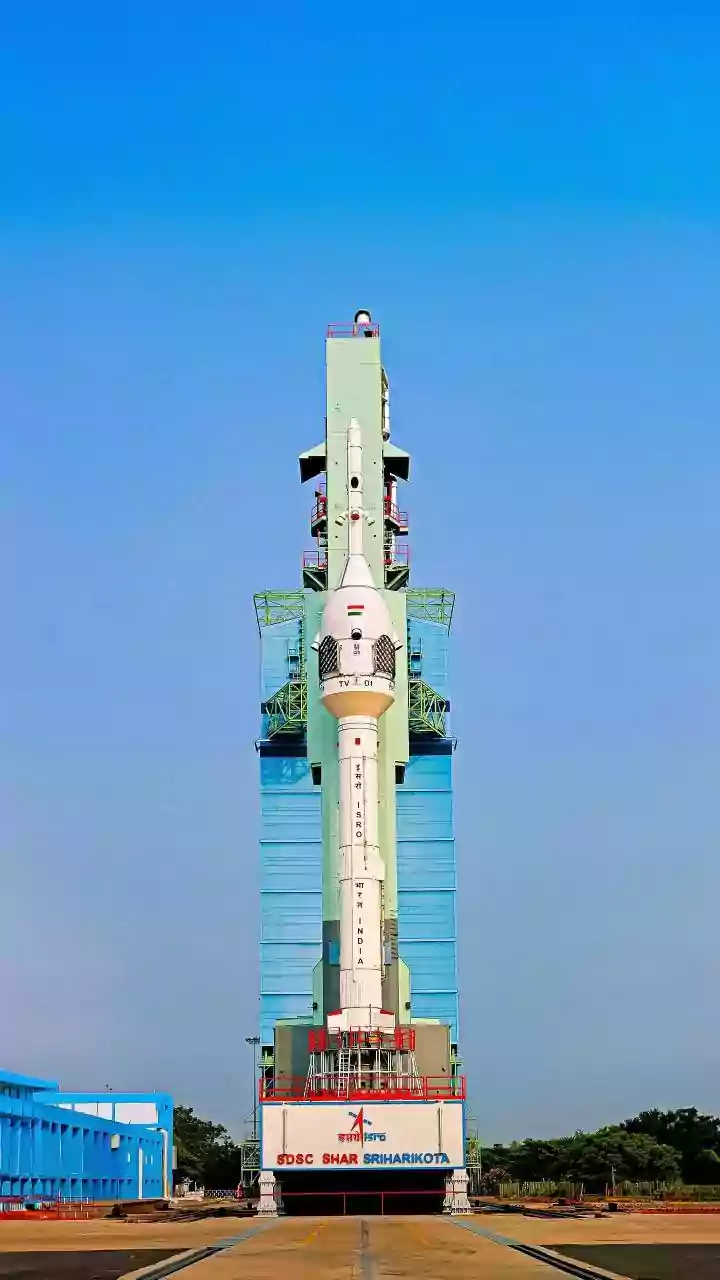
Today, we are in a new, dynamic era of space exploration. NASA's Artemis program aims to establish a sustainable human presence on the Moon, this time with an eye toward the lunar south pole where water ice may be found. The goal isn't just to visit, but to build a permanent base and an orbiting lunar Gateway station that will serve as a staging point for eventual human missions to Mars. This endeavor is a global one. India, for example, made history by becoming the first nation to land near the lunar south pole with its Chandrayaan-3 mission. The country is now actively developing its Gaganyaan program to send Indian astronauts into orbit and has outlined a vision that includes a Bharatiya Antariksh Station by 2035 and an astronaut on the Moon by 2040.
The Rise of the Commercial Spaceflight Era
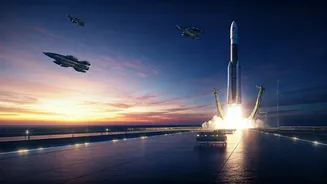
Perhaps the biggest change since Apollo is the explosive growth of the commercial space industry. Companies like SpaceX and Blue Origin are not just contractors for NASA; they are developing their own rockets and ambitious plans. SpaceX's reusable rockets have drastically reduced launch costs, and its Starship is being developed with Mars colonization as its ultimate goal. Blue Origin is also developing heavy-lift rockets and a lunar lander, called Blue Moon, for the Artemis program. This new ecosystem of private companies is accelerating the pace of innovation, creating a competitive market for everything from launching satellites to space tourism and, soon, building private space stations in Earth's orbit.