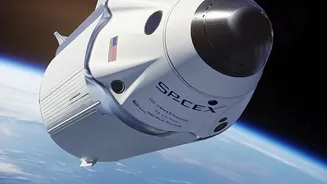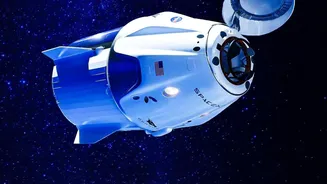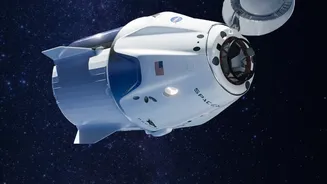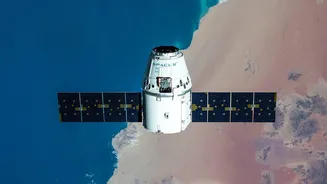

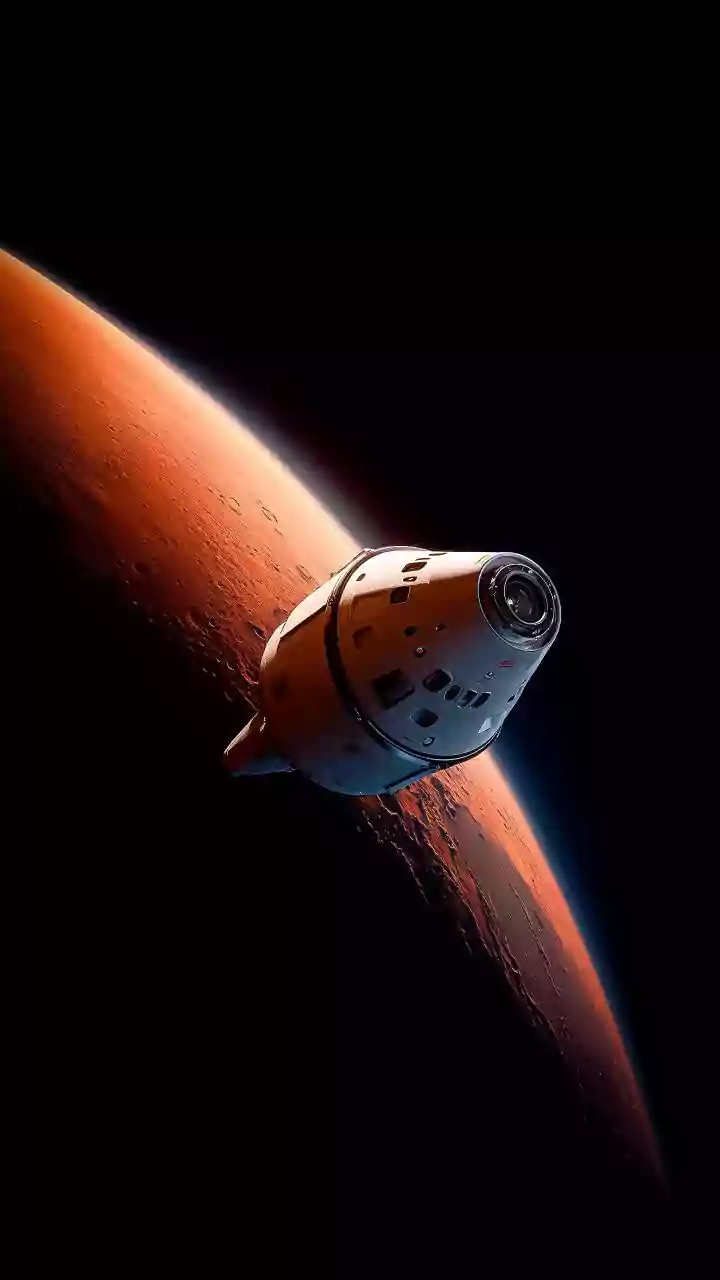
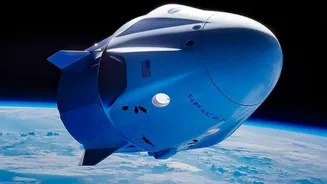
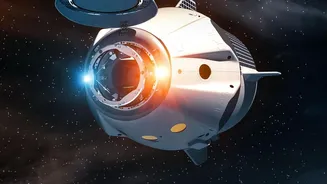
A SpaceX Dragon capsule has successfully splashed down in the Pacific Ocean, marking the end of the company's 35th commercial resupply mission for NASA. More than just a delivery service, this return flight is a crucial step for science.
A Round Trip for Science and Supplies
The mission, officially
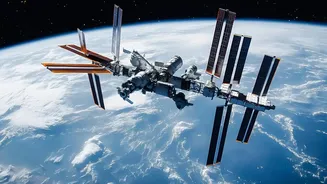
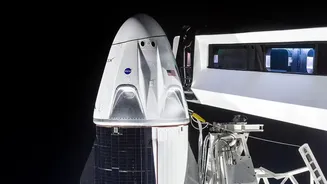
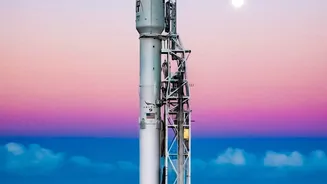
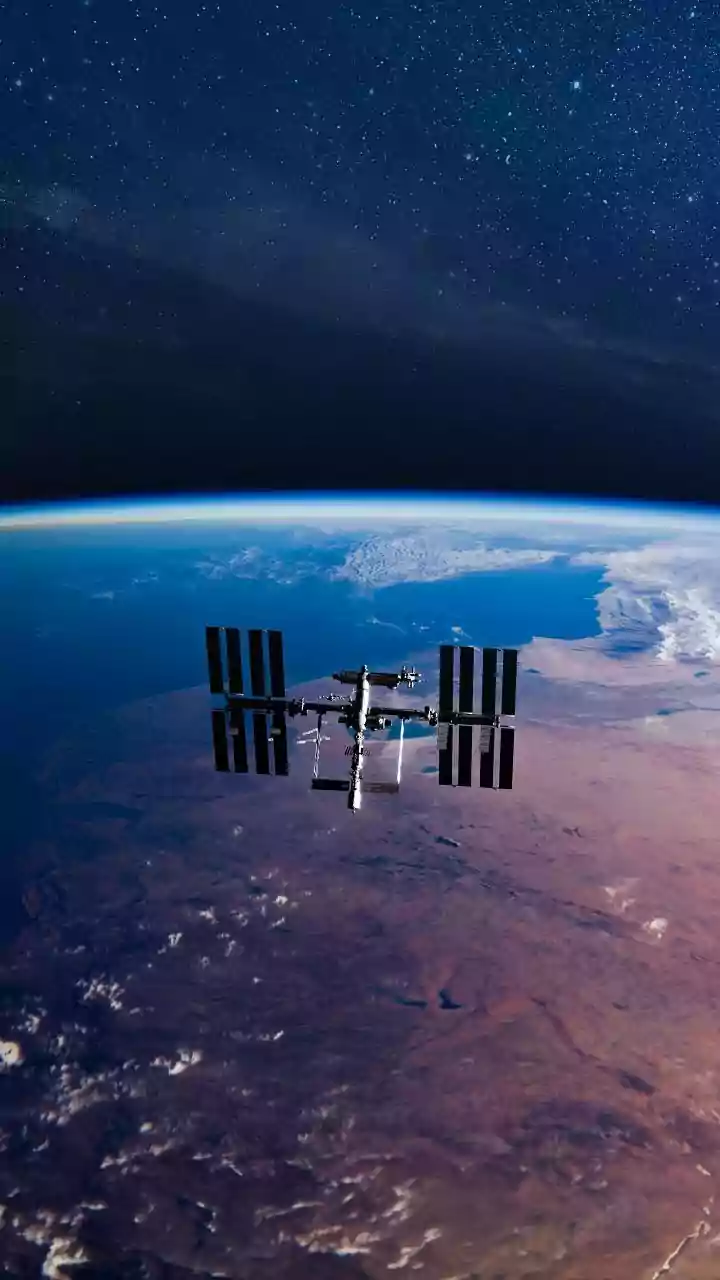
known as CRS-35, was a quintessential logistics run for the International Space Station (ISS). The Dragon spacecraft launched atop a Falcon 9 rocket from Cape Canaveral, Florida, on October 13, 2026. It arrived at the orbiting laboratory two days later, delivering over 6,300 pounds of essential crew supplies, hardware, and, most importantly, new scientific investigations. After remaining docked for over a month, the capsule detached from the station on November 20 to begin its journey home, culminating in a parachute-assisted splashdown off the coast of California. Recovery teams were immediately on hand to retrieve the capsule, ensuring the time-sensitive scientific cargo inside could be quickly transported to labs for analysis.
Precious Cargo on the Return Journey
While sending supplies up is vital, the Dragon's unique ability to return significant cargo to Earth is what makes these missions invaluable for researchers. This flight was packed with thousands of pounds of completed experiments. Highlights include a 3D-bioprinted blood vessel structure used to study cardiovascular disease and the effects of aging in a microgravity environment. Also on board were frozen tumor organoids that were treated on the station, which could help scientists identify new avenues for cancer treatments and advance personalized medicine. Additionally, the capsule returned frozen microbial samples to help researchers understand how antibiotic-resistant bacteria evolve in space, a key concern for long-duration astronaut health.
The Fiery but Gentle Descent
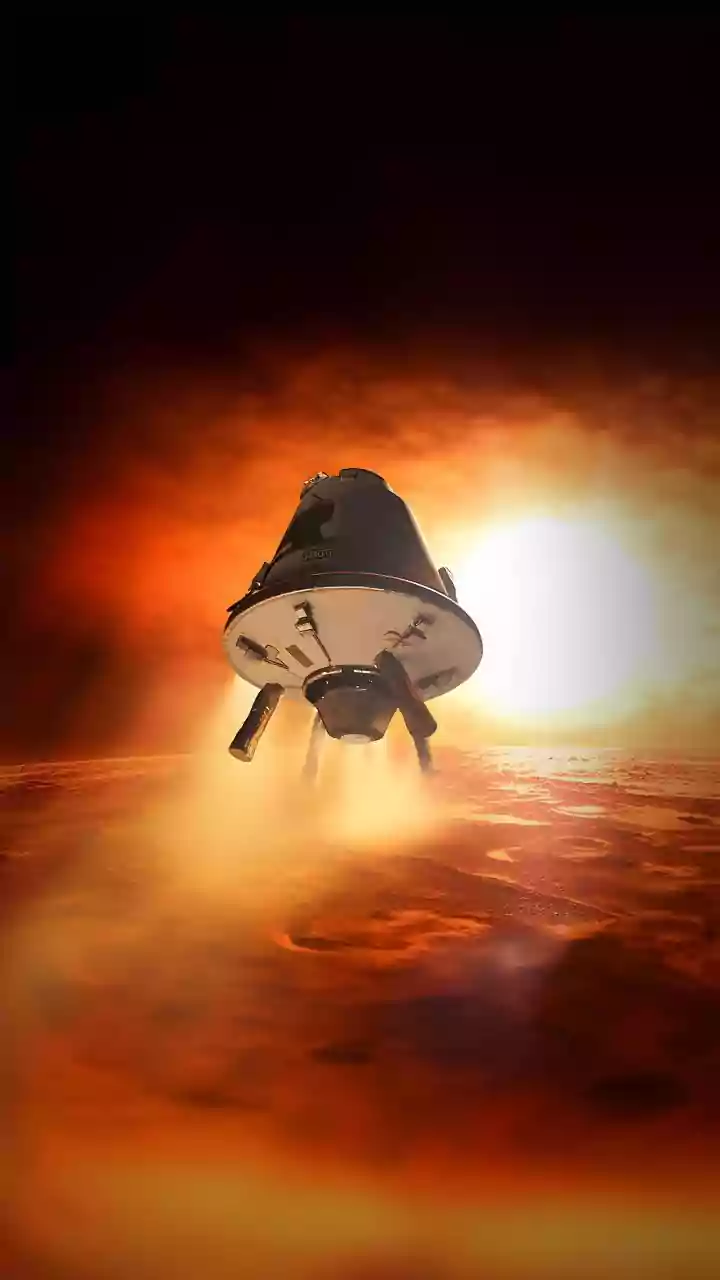
The return trip from the ISS is a carefully orchestrated process. After undocking from the station at an altitude of about 418 kilometers, the Dragon capsule spent nearly 29 hours maneuvering for its return. Ground controllers at SpaceX's headquarters in Hawthorne, California, commanded the spacecraft to fire its thrusters in a 'deorbit burn', a critical maneuver that slows it down enough to be captured by Earth's gravity. It then endured a fiery reentry through the atmosphere, protected by its advanced heat shield. Finally, a series of parachutes deployed to slow its descent for a gentle splashdown in the Pacific Ocean. The ability to land softly in the water is crucial for preserving the delicate scientific samples contained within, unlike other cargo vehicles which burn up on reentry.
The Engine of a New Space Economy
The success of missions like CRS-35 underscores the strength of NASA's Commercial Resupply Services (CRS) program. Initiated over a decade ago, this program moved away from government-only operations and instead partnered with private American companies like SpaceX and Northrop Grumman to handle ISS logistics. This public-private partnership has proven to be a resounding success, creating a reliable and cost-effective supply chain to low-Earth orbit. It has allowed NASA to focus its resources on more ambitious deep-space exploration goals, like the Artemis missions to the Moon and future journeys to Mars, while fostering a competitive commercial space industry. For SpaceX, this was the fourth flight for this particular Dragon capsule, demonstrating the cost-saving reusability that is a cornerstone of its business model.