






The Tale of Two Trends
First, let's establish the facts. As of early September 2026, global crude oil prices have been climbing. Brent crude, the international benchmark, has been trading near $95 per barrel, driven by geopolitical tensions and concerns over supply disruptions.
Meanwhile, India's latest available retail inflation data, for July 2026, showed a year-on-year increase of 4.45%. While this is a slight increase from the previous month's 4.38%, the figure remains well within the Reserve Bank of India's (RBI) comfort zone of 2-6%. This is the paradox at the heart of the current economic narrative—a key global price is rising, but India's main inflation metric appears relatively stable.
Why Oil Prices Are Gaining Steam
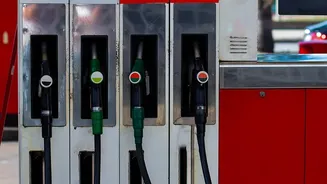
The recent surge in crude oil prices is primarily a global story. Heightened geopolitical tensions, particularly in the Middle East, have raised fears about potential disruptions to major oil shipping routes like the Strait of Hormuz. Since India imports over 85% of its crude oil, it is highly exposed to these international price swings. Any sustained increase in crude prices directly impacts India's import bill, putting pressure on the economy and the value of the rupee. As of September 4, 2026, however, domestic petrol and diesel prices have remained unchanged by state-run oil marketing companies, who often absorb initial price shocks before passing them on to consumers.
So, Why Is India's Inflation Tame?
The answer lies in the composition of India's Consumer Price Index (CPI), the basket of goods and services used to measure retail inflation. Food and beverages have the largest weight in this basket, accounting for about 37%. While fuel prices are a component, their direct weight is smaller. The recent taming of headline inflation is largely thanks to a softening in food prices, especially vegetables, which are highly volatile. For example, while items like ginger and garlic saw price rises in July, prices for potatoes and tomatoes actually fell, providing some relief to household budgets. In essence, the cooling effect of food prices is currently outweighing the inflationary pressure from rising global oil.
The Government and RBI's Balancing Act
This divergence creates a complex challenge for policymakers. For the Reserve Bank of India, falling headline inflation might normally open the door for interest rate cuts to boost economic growth. However, the persistent threat of high oil prices feeding into the economy complicates this decision. RBI officials have noted that while broader price pressures seem contained for now, the volatility in oil remains a key risk to the inflation trajectory. As a result, the central bank has adopted a cautious 'wait-and-watch' approach, keeping interest rates steady while monitoring how these competing price pressures evolve. One MPC member has even suggested a rate hike could be possible later in the year if inflationary risks materialize.
What This Means for Your Household Budget
For the average consumer, this situation presents a mixed bag. The direct impact of higher global oil prices has not yet hit the petrol pumps, as prices have been held steady since late May. However, this can't last forever. If crude prices remain elevated, fuel costs will eventually rise. The indirect effects are also important. Fuel is a major cost for transporting goods, so sustained high oil prices could lead to higher prices for everything from groceries to manufactured products down the line. For now, the relief from moderating food prices is the dominant factor for many households. The key is to understand that 'inflation' is an average; your personal inflation rate depends heavily on your specific spending on food versus fuel.