


The Cardinal Sin of Cooking
We’ve all been there. You’re in a hurry to get dinner on the table, so you pile all your chopped vegetables or marinated meat into the frying pan, hoping to cook it all in one go. While it seems efficient, this is one of the most common mistakes that
separates home cooks from professional chefs. When you overcrowd a pan, you’re not frying, searing, or roasting; you’re steaming. Instead of a delightful sizzle, you get a sad hiss as the pan fills with moisture, leading to limp, grey, and flavourless results. This single habit can be the difference between food that is merely cooked and food that is truly delicious.
The Science of Sizzle vs. Steam
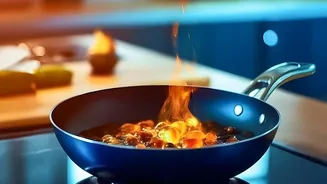
So what is actually happening in the pan? All food contains water. When food hits a hot, spacious pan, its moisture quickly evaporates as steam, allowing the surface to make direct contact with the hot metal. This dry, high heat is crucial. But when food is packed tightly together, the released steam gets trapped. There’s nowhere for it to go. This trapped moisture drastically lowers the temperature of the pan’s surface and creates a humid environment. Instead of browning, the food effectively boils in its own juices, preventing the chemical reactions that create a crispy texture and deep flavour.
Meet the Maillard Reaction
The magic you're missing out on is called the Maillard reaction. This isn't the same as caramelization, which only involves sugar. The Maillard reaction is a complex chemical process that occurs between amino acids (from proteins) and sugars when they're exposed to high heat, typically above 140°C. This reaction is responsible for creating the hundreds of new flavour and aroma compounds that make browned food so irresistible. Think of the savoury crust on a seared steak, the nutty aroma of toasted bread, or the golden-brown edges on roasted potatoes. Since water boils at 100°C, a steamy, overcrowded pan will never get hot enough for the Maillard reaction to kick in properly.
Practical Tips for Perfect Browning
Understanding the science is one thing; applying it is another. Luckily, the solutions are simple. First, choose the right size pan for the job—if in doubt, go bigger. If your ingredients don't fit in a single, uncrowded layer, cook in batches. Brown the first batch, remove it from the pan, and then proceed with the second. This is crucial for everything from browning ground meat for keema to searing paneer cubes for a curry. Another key tip is to ensure your food is dry. Pat meat, tofu, or vegetables with a paper towel before adding them to the pan. Starting with dry ingredients means less moisture to steam away and a faster path to a beautiful, flavourful crust.
Beyond the Frying Pan
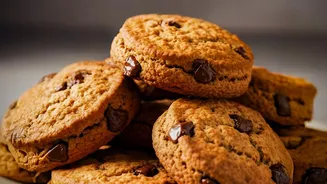
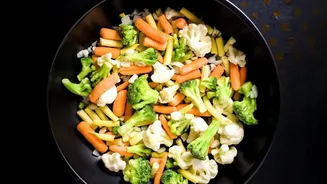
This principle isn't just for stovetop cooking. It’s equally important for roasting, baking, and even air frying. When roasting vegetables like potatoes, cauliflower, or bhindi, spread them in a single layer on a baking sheet with space in between each piece. This allows hot air to circulate around every piece, promoting even browning and crispiness. If the vegetables are piled on top of each other, the ones at the bottom will just steam. The same logic applies to baking cookies; giving them enough space prevents them from spreading into one giant, unevenly baked sheet. By respecting the need for space, you ensure that steam can always escape, giving your food the best chance to become golden, crisp, and delicious.