



The Rise of 'Exercise Snacking'
Traditionally, we've been told that effective exercise requires long, sustained sessions. But a growing body of research is challenging this notion, giving rise to the concept of 'exercise snacking'. This approach involves breaking up physical activity
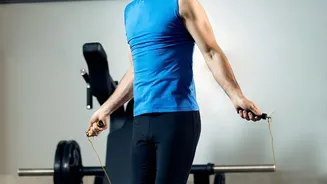
into small, manageable chunks throughout the day. Instead of a single 30-minute session, you might do three 10-minute bursts of activity. Scientists are particularly interested in how this applies to strength training—activities that make your muscles work against a force, like lifting weights or using your own body weight. The core idea is that these short, intense bouts might offer surprising benefits for one of the body's most important muscles: the heart.
How Strength Training Helps the Heart
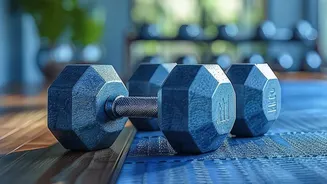
While aerobic exercise like jogging or cycling is famous for its heart benefits, strength training works in different but complementary ways. Resistance exercises help build and maintain muscle mass. More muscle increases your body's metabolic rate, meaning you burn more calories even at rest. This helps with weight management, particularly in reducing visceral fat—the dangerous fat around your organs—which is a major risk factor for heart disease. Furthermore, strength training can improve blood pressure, blood sugar control, and cholesterol profiles by increasing 'good' HDL cholesterol and lowering 'bad' LDL cholesterol. Stronger muscles also help the body's circulatory system, reducing the overall strain on the heart.
The Science of 'Short and Sharp'
The key question scientists are asking is whether the duration of a workout matters more than its intensity and consistency. Research suggests that short bursts of vigorous activity can have a profound impact. Studies on 'exercise snacks' have found that even sessions lasting less than five minutes, if done consistently, can improve cardiorespiratory fitness—a key measure of heart health. The mechanism involves stressing the cardiovascular system just enough to trigger positive adaptations. When you perform a set of squats or push-ups, your heart rate increases, and your blood vessels dilate. Doing this regularly, even in short spells, can lead to lower resting blood pressure, improved blood vessel flexibility, and a more efficient heart muscle over time.
Lowering the Barrier to a Healthier Heart
Perhaps the most significant reason for this scientific interest is its public health implication. The most common reason people cite for not exercising is a lack of time. Short workouts dismantle this barrier. By showing that meaningful health benefits can be achieved in 10-15 minute increments, scientists hope to motivate a larger portion of the population to become active. This approach is more psychologically manageable and easier to integrate into a busy schedule, whether it's a few sets of bodyweight exercises before your morning shower or climbing several flights of stairs on your lunch break. Adherence to these 'snackable' workout plans has been shown to be high, suggesting people find them sustainable.
What Does a Short Workout Look Like?
You don’t need a gym or expensive equipment. A short strength workout can be as simple as performing a few bodyweight exercises. A 10-minute routine could include three rounds of exercises like squats, push-ups (on the floor or against a wall), lunges, and planks. The key is to focus on good form and challenge your muscles. Some studies have shown that even a few minutes of vigorous stair climbing spread throughout the day can lead to measurable improvements in fitness. The American Heart Association recommends at least two strength training sessions per week, and this new research suggests that these sessions don't need to be long to be effective.