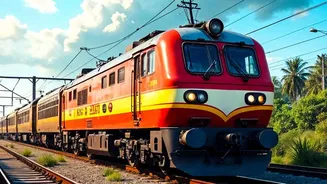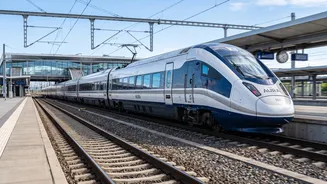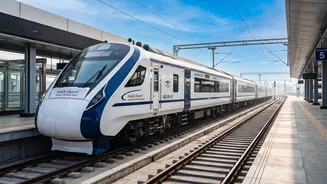


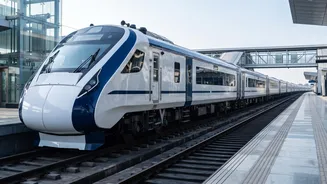
The idea of a spontaneous weekend trip often clashes with the reality of long travel times. But as India’s high-speed rail network expands, that friction is disappearing, paving the way for a new era of impulsive getaways for young travellers.
A Revolution in Speed and Time
The most
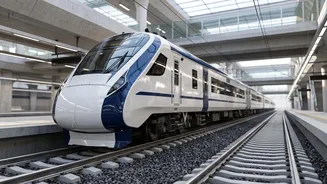
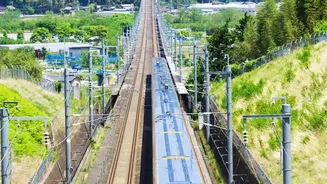
significant change brought by high-speed rail is the dramatic reduction in travel time. Take the Mumbai-Ahmedabad corridor, India's flagship bullet train project. A journey that currently takes over six hours by the fastest trains will be slashed to just about two hours. This transforms the very definition of a weekend trip. A destination that once required an overnight journey, consuming a large part of the weekend, suddenly becomes a short hop. For young professionals and students with limited time off, this is a game-changer. Instead of dedicating a whole Friday evening and a significant part of Sunday to travel, they can leave on a Saturday morning and be back by Sunday night, having spent most of their weekend at the destination itself.
The Mindset of a New Generation
This infrastructure development aligns perfectly with the evolving travel philosophy of India's youth. Recent studies show a clear trend among Gen Z travellers favouring multiple short breaks over one long annual holiday. A 2026 Airbnb report revealed that 87% of young Indian travellers prefer trips lasting less than a week, and seven out of ten would rather take three short getaways than one long one. This generation prioritises experiences, flexibility, and spontaneity. Many bookings are made just days or weeks before departure, a habit that slow, conventional transport makes difficult. High-speed rail, with its promise of quick, hassle-free transit between city centres, directly caters to this 'just go' attitude, removing a major barrier to impromptu planning.
Beyond Just Cost and Convenience
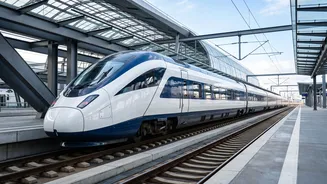
While flights are fast, they come with the added time and stress of airport check-ins, security, and travel to and from airports often located far from the city. High-speed rail offers a compelling middle ground: faster than conventional trains and less hassle than air travel. The stations are typically located in central urban areas, making them easily accessible. This blend of speed and convenience makes the entire travel experience smoother and more predictable. For a generation that values seamless digital experiences, the efficiency of a bullet train system—from booking to arrival—is a major draw. It makes the journey itself less of a chore and more a part of the adventure, encouraging travellers to consider destinations they might have previously dismissed as too difficult to reach for a short trip.
Unlocking New Destinations
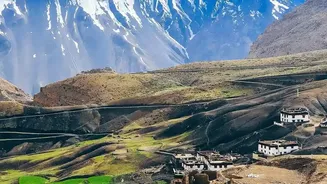
The impact of high_speed rail isn't limited to the major terminuses like Mumbai and Ahmedabad. The corridor will include stops in cities like Surat, Vadodara, Vapi, and Boisar. This enhanced connectivity makes smaller towns and cities along the route far more accessible for tourism. Studies on high_speed rail networks in other countries have shown that they significantly boost tourism in these 'second_tier' cities by making them viable weekend destinations. For young travellers who increasingly seek offbeat and authentic experiences beyond major tourist hubs, this is a massive advantage. The ability to easily explore a lesser_known town for its local food or unique culture becomes a powerful motivator for a spontaneous trip.
The Economic and Social Ripple Effect
The rise of spontaneous weekend travel is more than just a lifestyle trend; it’s an economic driver. Increased tourism, even for short periods, stimulates local economies by boosting demand for hotels, restaurants, and local businesses in previously overlooked areas. It fosters a more integrated economic region, where the lines between living, working, and leisure blur. For young people, it broadens horizons and provides an accessible escape from the pressures of urban life. The ability to decide on a Friday to explore a new city and be back by Sunday evening without breaking the bank or losing an entire day to travel is a form of freedom. This is particularly true as other corridors, such as those connecting Delhi to Varanasi or a new Southern corridor, are planned.