
Understanding the 'New' Monsoon
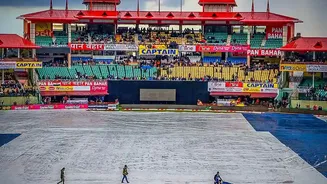
The traditional June-to-September monsoon calendar is becoming less reliable. Recent years have seen the monsoon's withdrawal delayed, leading to unexpected heavy rainfall in late September and even October in states like Maharashtra, Karnataka, and Himachal
Pradesh. Climate change is contributing to this volatility, causing not just delays but also an increase in the intensity of rainfall. Instead of steady showers, travellers may now face sudden, extreme downpours that can disrupt plans. This doesn't mean you can't travel, but it does mean you need to be smarter about it. The key is to expect unpredictability and plan for it.
Monitor Forecasts Diligently
Your most essential tool is up-to-date information. Before and during your trip, regularly check forecasts from reliable sources like the India Meteorological Department (IMD). Pay attention to alerts for heavy rain, thunderstorms, and potential landslides, especially if you are heading to hilly regions like Uttarakhand or Himachal Pradesh. Local authorities often issue advisories during severe weather, so checking local news and tourism websites is also a wise move. Don't just check the weather for your destination; look at the entire route, as disruptions can happen anywhere along the way.
Plan a Flexible Itinerary
In this new era of monsoons, a rigid, tightly packed schedule is a recipe for stress. The most important thing you can do is build flexibility into your plans. Add buffer days between key destinations, especially before an international flight. This extra time can absorb delays caused by waterlogged roads, cancelled trains, or rerouted flights. Consider staying longer in fewer places rather than rushing between cities every one or two days. When booking hotels and transport, opt for flexible or refundable policies where possible. That small extra cost can save you a lot of money and frustration if a sudden downpour forces a change of plans.
Pack for Wet and Unpredictable Weather
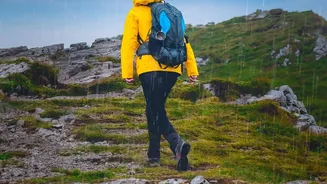
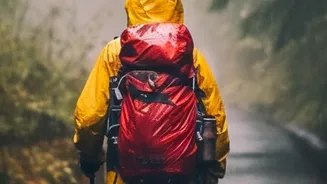
Your packing list needs to prioritise function over fashion. Leave the jeans at home; they are notoriously slow to dry and become heavy when wet. Instead, opt for lightweight, quick-dry clothing made from synthetic fabrics. Essential items include a reliable waterproof jacket, a sturdy umbrella, and waterproof covers for your backpack and any electronics. Footwear is critical: bring waterproof sandals with good grip for walking around cities and a pair of closed, quick-drying shoes for everything else. It's also smart to keep your passport, cash, and essential documents in sealed waterproof pouches.
Re-evaluate Your Destination Choices
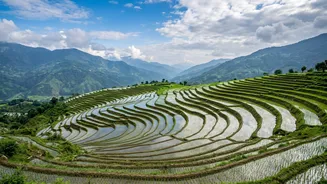
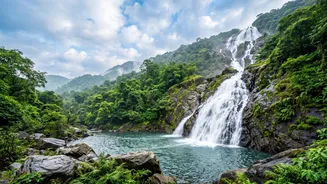
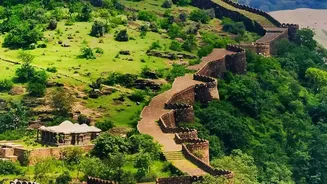
Some regions are better suited for monsoon travel than others. While coastal areas on the west coast can experience rough seas and heavy rain, destinations like Munnar in Kerala and Coorg in Karnataka come alive with lush greenery. Rajasthan often receives less rainfall and can be stunningly beautiful as lakes and palaces are framed by dramatic monsoon clouds. However, mountainous regions like Himachal Pradesh and Uttarakhand require extreme caution due to the heightened risk of landslides and slippery roads. Many national parks also close during this season, so if wildlife safaris are a priority, it's better to plan your trip for the drier months.
Prioritise Health and Safety
The monsoon season brings an increased risk of water-borne and mosquito-borne illnesses like dengue and malaria. Be vigilant about health precautions. Drink only bottled, boiled, or filtered water, and be cautious with street food, especially raw items like salads or pre-cut fruit. Stick to freshly cooked, hot meals from busy, clean-looking establishments. Always carry a strong insect repellent and consider wearing long-sleeved clothing, particularly in the evenings. A basic medical kit with medications for stomach issues, fever, and antiseptic cream is also a must-have.