







The Problem with Conventional Soda
It’s no secret that most mainstream carbonated drinks are nutritional voids. A typical 12-ounce can of cola contains around 39 grams of sugar—nearly 10 teaspoons—and zero beneficial nutrients. This high dose of refined sugar is linked to weight gain,
type 2 diabetes, and other chronic health issues. The fleeting pleasure of that sweet fizz comes with a significant downside, leaving many Americans searching for an alternative that doesn't feel like a sacrifice.
What Are 'Functional' Sodas?
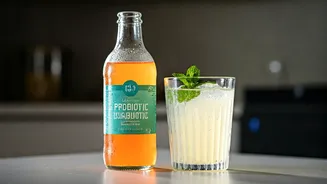
Enter the world of functional sodas, a category that includes both probiotic and prebiotic drinks. These beverages are designed to offer more than just hydration and flavor. Probiotic sodas, like kombucha and water kefir, contain live microorganisms (good bacteria) that may help support a healthy gut microbiome. Prebiotic sodas, a rapidly growing segment, contain specific types of fiber (like inulin) that act as food for the good bacteria already living in your gut. Both aim to improve digestive health, but they do so in different ways. Think of probiotics as adding new workers to the team, and prebiotics as providing a healthy lunch for the existing crew.
Kombucha: The Fermented Powerhouse
Kombucha is perhaps the most well-known probiotic drink. It’s a fermented tea with a distinctly tangy, sometimes vinegary flavor that can be an acquired taste. Made from a symbiotic culture of bacteria and yeast (SCOBY), it’s naturally effervescent and packed with live cultures. While it’s celebrated for its potential gut-health benefits, it's crucial to read the label. Some commercial brands add significant amounts of fruit juice or sugar after fermentation to make it more palatable, which can push the calorie count up. Also, the fermentation process creates trace amounts of alcohol, so look for brands that specify their alcohol content if that’s a concern.
Water Kefir: The Lighter, Milder Cousin
If kombucha’s bold flavor isn’t for you, water kefir might be the perfect entry point. Made by fermenting water, sugar, and water kefir “grains” (which are not actual grains but cultures of bacteria and yeast), it has a much milder, cleaner taste. It’s often flavored with fruit, giving it a profile closer to a traditional fruit soda but without the artificial ingredients. It's typically dairy-free and caffeine-free, making it a versatile option for almost any time of day. Like kombucha, it provides a source of live probiotics, but with a gentler flavor that’s often more approachable for newcomers.
Prebiotic Sodas: The Gut-Fueling Upstarts
Brands like Olipop and Poppi have exploded in popularity, and they fall into the prebiotic camp. Instead of containing live bacteria, their formulas are rich in plant-based fibers like chicory root, Jerusalem artichoke, or cassava root. These fibers feed your gut’s beneficial bacteria, helping them thrive. Their main selling point is that they taste remarkably similar to classic sodas—think root beer, vintage cola, or orange squeeze—while containing a fraction of the sugar (often 2-5 grams per can) and a significant dose of daily fiber. For those who want the nostalgic soda experience without the guilt, prebiotic sodas are a compelling choice.
How to Choose the Right Can
When you're standing in front of the cooler, it can be overwhelming. Here’s a simple checklist: first, check the sugar content. Look for options with 5 grams of sugar or less per serving to avoid negating the health benefits. Second, if you're seeking probiotics, look for phrases like “live and active cultures” and check if the product is refrigerated, as many live cultures need to be kept cold. Finally, scan the ingredient list. The best options will have a short list of recognizable ingredients, not a paragraph of artificial flavors, colors, and sweeteners.