
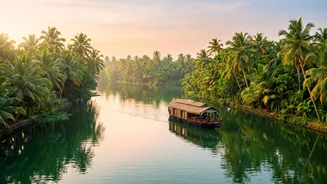


Experiences Over Sightseeing
The era of checking off a list of monuments is fading. Today's Indian traveller is prioritising experiences over simple sightseeing. This shift is about depth, not just distance; travellers are asking "What will I feel?" rather than just "Where can I go?".
This translates into a growing demand for immersive activities like cooking classes, learning local handicrafts, attending festivals, or participating in a village stay. Younger generations, in particular, are driving this trend, preferring to spend their time learning a local skill or going on a trek instead of just visiting monuments. According to a Skyscanner report, 67% of Indians now plan their holidays around cultural experiences like heritage, festivals, and food. The focus is on creating memories and finding personal meaning in travel, which is why experiential tourism is set to become a dominant segment in India.
The Rise of Purpose-Driven Travel
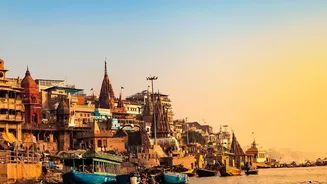
A new trend, dubbed 'Why-cation', suggests that the motivation for travel is becoming more important than the destination itself. People are choosing trips based on a specific purpose, whether it's wellness, adventure, cultural immersion, or a digital detox. Spiritual and wellness tourism, in particular, has seen a massive surge. Destinations like Rishikesh, Varanasi, and Ujjain are seeing spikes in interest as travellers seek out yoga retreats, meditation, and temple visits. The Indian wellness market is projected to grow significantly, with travellers looking for holistic healing programs focused on Ayurveda and yoga for stress management and lifestyle correction, rather than simple spa days. This move towards purpose-led journeys shows that travellers are looking for trips that offer personal growth and transformation.
Sustainable and Conscious Journeys
A growing awareness of the global climate crisis is making sustainable and responsible tourism a priority for Indian travellers. It’s no longer a niche interest but a vital part of the decision-making process. More than 90% of Indians now state a preference for sustainable travel, which includes everything from choosing eco-certified properties to supporting local communities and preserving natural ecosystems. This means seeking out tour operators who are ethical, respecting local customs, minimising waste, and promoting local crafts. The government has also taken note, launching initiatives like the Swadesh Darshan 2.0 scheme to develop sustainable tourism destinations. This trend indicates a powerful shift towards more mindful travel, where the goal is to enjoy the world while also protecting it for the future.
Shorter, Smarter, and More Frequent Trips
The traditional long annual vacation is being replaced by a series of shorter, more frequent getaways. Many Indians are now opting for multiple mini-breaks throughout the year, often lasting 3-5 days for domestic trips. This 'micro-cation' trend is complemented by the rise of 'bleisure' travel, or workations, where remote work allows for extending trips. Technology is a key enabler. AI-powered tools are being used by a majority of travellers to plan personalised itineraries, find budget-friendly hotels, and discover local experiences, making do-it-yourself travel more accessible than ever. This move away from pre-packaged tours gives travellers more flexibility and control. The focus is on value and convenience, with simplified e-visa processes and increased direct flight connectivity also playing a major role in shaping these new travel patterns.
Exploring the Unexplored
While classic destinations remain popular, there is a clear and growing curiosity for the road less travelled. Travellers are venturing beyond the established tourist circuits, with searches for Northeast India, for example, seeing a massive increase. This desire for novelty extends to international travel as well. Instead of just London and Dubai, destinations like Georgia, Uzbekistan, and Rwanda are appearing on Indian itineraries. These places offer a sense of discovery, authentic culture, and often better value for money. One in four travellers is now exploring Tier II and Tier III towns in India for cultural experiences, signalling a deep-seated desire to discover unique stories and connect with local communities away from the crowds.