





From Complexity to Clarity
Many people starting their fitness journey believe that a better workout requires more exercises and more variety. This often leads to confusion and a lack of direction, switching between programs without ever mastering the fundamentals. The secret of many
of the strongest and most resilient people is not in chasing complexity, but in achieving excellence in a few key areas. The most effective strength programs often revolve around basic human movement patterns. By training movements rather than isolating individual muscles, you build strength that translates directly into everyday life, from lifting groceries to playing with your children. This approach is efficient, effective, and builds a body that works as a complete, coordinated system.
Movement 1: The Push
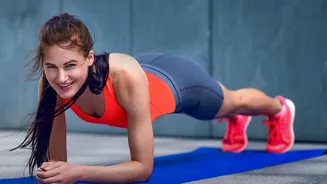
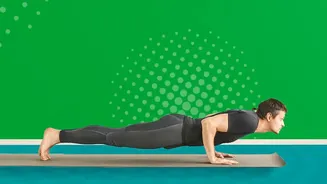
The first fundamental pattern is the push, which involves moving a weight or resistance away from your body. This single category of movement effectively trains the primary “pushing” muscles: the chest, shoulders, and triceps. Think about pushing a door open, getting up from the floor, or placing an item on a high shelf; these are all real-world applications of the push pattern. Exercises can be either horizontal, like the classic push-up or bench press, or vertical, such as an overhead press. By incorporating both types, you ensure a well-rounded development of your upper body's strength and stability. Common examples include dumbbell presses, dips, and various push-up modifications to suit any fitness level.
Movement 2: The Pull
As a direct counterpart to the push, the pull pattern involves drawing a weight or resistance toward your body. This movement is essential for building a strong and healthy back and biceps. Unfortunately, modern life, with its long hours spent sitting and hunched over screens, often leads to underdeveloped pulling muscles, which can contribute to poor posture and shoulder issues. Prioritizing pull exercises is a powerful way to counteract this, creating a more balanced and resilient upper body. Just like the push, pulling movements can be categorized as horizontal (like barbell rows and seated cable rows) or vertical (such as pull-ups and lat pulldowns). Including both helps to develop the back muscles comprehensively.
Movement 3: The Squat
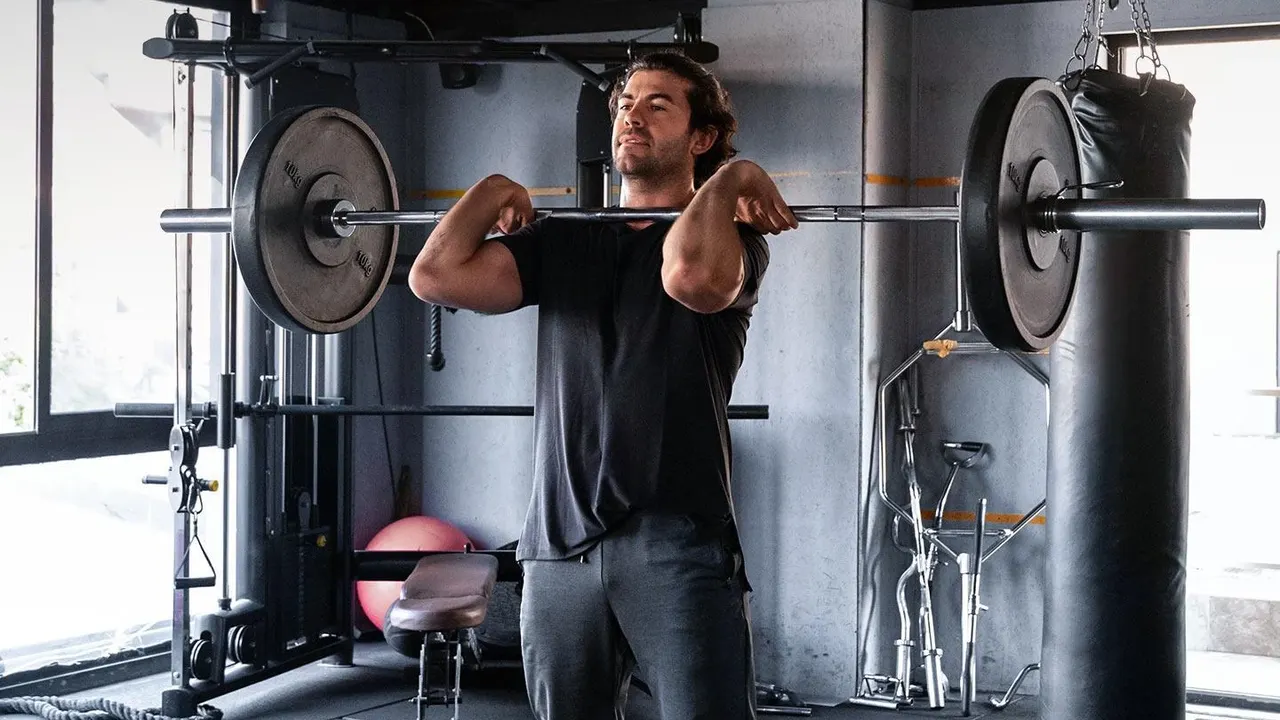
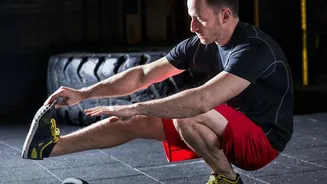
The squat is arguably the most foundational lower-body movement, mimicking the simple act of sitting down and standing back up. Long before the invention of gyms, squatting was an integral part of daily human life. A well-executed squat is a compound exercise that engages multiple major muscle groups at once, including the quadriceps, glutes, hamstrings, and core. This makes it incredibly efficient for building lower-body strength and improving overall mobility. There are numerous squat variations to match any ability, from bodyweight air squats and goblet squats for beginners to more advanced barbell front and back squats. Mastering this pattern improves your ability to perform countless daily tasks with ease and reduces the risk of injury.
Movement 4: The Hinge
The hip hinge is perhaps the most important yet often misunderstood movement pattern. While a squat involves significant bending at both the knees and hips, a hinge is a hip-dominant movement with minimal knee bend. It specifically targets the posterior chain: the glutes, hamstrings, and lower back. Learning to properly hinge at the hips instead of bending from the lower back is crucial for preventing spinal injuries when lifting objects from the floor. Classic hinge exercises include the deadlift and its variations, like the Romanian deadlift, as well as kettlebell swings and good mornings. Strengthening this pattern builds powerful glutes and hamstrings and contributes to a robust, injury-resistant back.
Putting It All Together
Building a practical strength plan around these four movements is simple. The goal is to choose one exercise from each category and include it in your routine throughout the week. For someone training two or three times a week, a full-body workout is an excellent and time-efficient option. A sample full-body day could look like this: Goblet Squats (Squat), Push-ups (Push), Dumbbell Rows (Pull), and Kettlebell Swings (Hinge). You can perform each exercise for a set number of repetitions and cycles. The key is not the specific exercises you choose, but the consistency of training each of the four patterns. This ensures you are building a balanced, functional, and truly strong body without getting lost in unnecessary details.