


The New Colour Story
While the nine auspicious colours of Navratri remain a guiding force, the application has evolved. Instead of sticking to a rigid daily change, the modern approach involves creating a foundational palette. Think neutral bases of cream or beige, which
allow bolder festive colours like saffron, ruby red, and royal blue to pop without overwhelming the space. This palette is often accented with metallics like brass and gold, which add a warm, celebratory glow that feels both timeless and contemporary. This method allows for flexibility, where you can introduce the colour of the day through smaller, interchangeable items like flowers or cushion covers.
Minimalist Mandaps and Prayer Corners
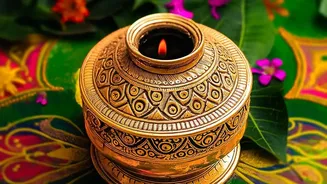
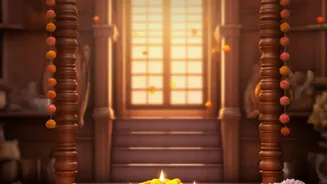
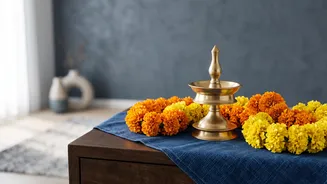
The prayer corner, the heart of Navratri celebrations, is also seeing a modern shift. Ornate, heavy setups are giving way to cleaner, more minimalist designs. This might involve a beautifully carved wooden chowki as a single focal point, surrounded by just a few essential items like a brass diya and a simple floral arrangement. The focus is on creating a serene, spiritual space that feels integrated into the home's overall modern aesthetic, rather than being a temporary, cluttered addition. A statement wall hanging or a piece of traditional art like Pattachitra behind the idol can anchor the space with cultural depth.
Sustainable and Earthy Materials
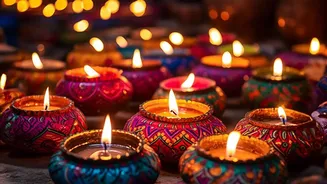
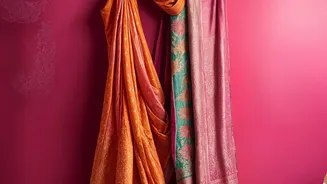
There is a growing consciousness towards eco-friendly celebrations, and this is beautifully reflected in decor choices. Plastic and synthetic materials are being replaced by natural and biodegradable options. Terracotta pots, clay diyas, jute runners, and bamboo lamps are becoming popular choices that add an earthy, authentic charm. Repurposing old items, like using colourful silk sarees or dupattas as backdrops or table runners, is another sustainable trend that adds a personal and vibrant touch. These materials not only reduce waste but also celebrate traditional Indian craftsmanship.
A Modern Take on Festive Lighting
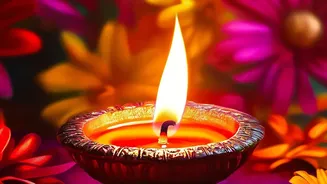
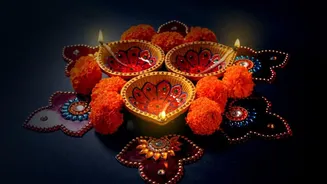
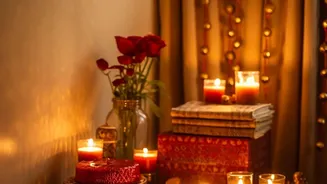
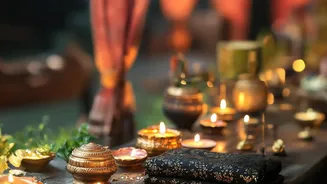
Lighting is key to creating a festive mood, and here too, the approach is about layering and fusion. The traditional warmth of ghee or oil diyas is now being complemented by modern lighting solutions. Think LED fairy lights draped in curtains or placed in glass jars, solar-powered lanterns for outdoor spaces, and elegant brass floor lamps to create a soft, ambient glow. This combination of old and new lighting techniques creates a dynamic, multi-layered effect that makes the home feel warm, inviting, and magical after sunset.
Rethinking Floral and Textile Accents
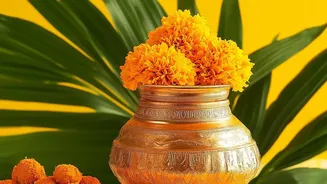
Flowers and fabrics remain essential, but their use is more curated. Instead of just traditional marigold strings, people are opting for more architectural floral arrangements or using petals in a brass urli filled with water. When it comes to textiles, traditional Indian prints like ikat, block-print, and bandhani are being used in contemporary ways. Rather than heavy drapes, these patterns are appearing on modern cushion covers, throws, and table runners that can be easily swapped out, adding a festive touch to minimalist furniture.
Abstract Rangoli and Wall Art
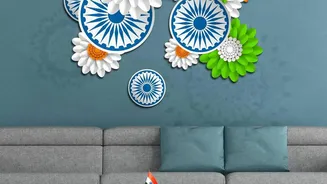
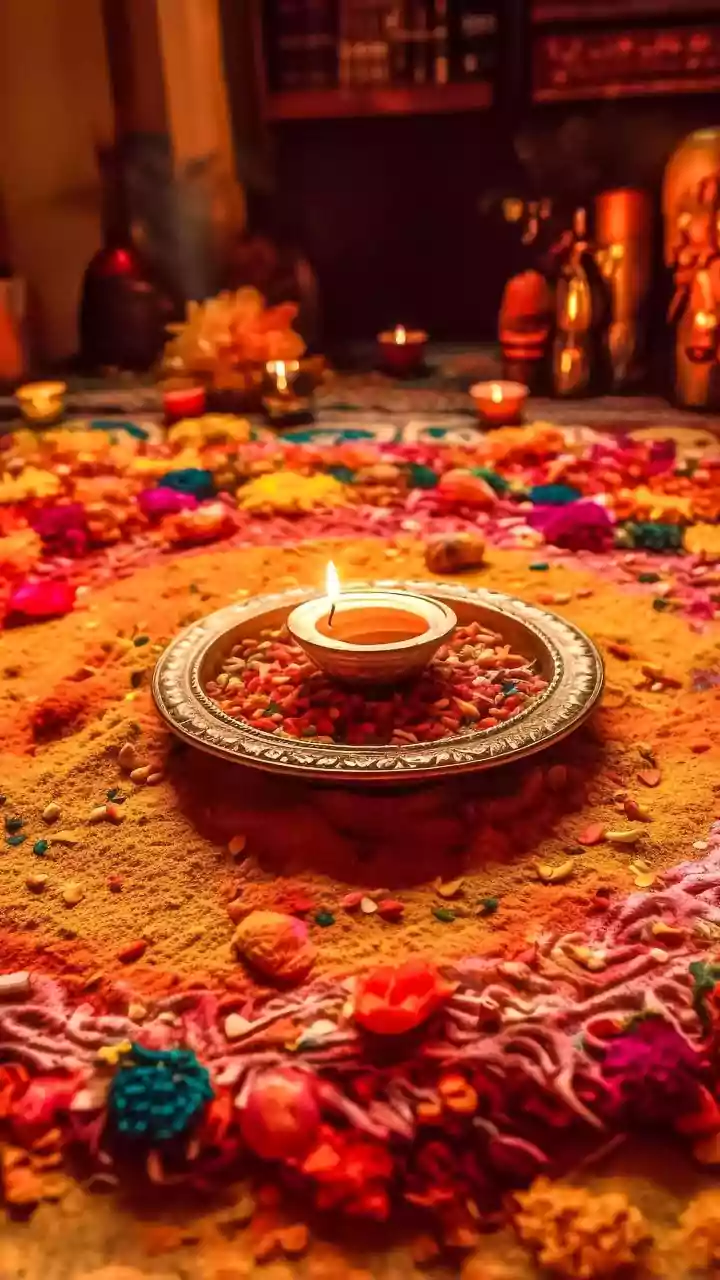
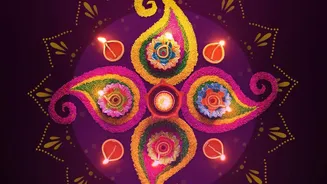
Even the art of rangoli is getting a modern update. While traditional powder and flower petal designs are still cherished, many are also exploring geometric patterns, abstract designs, and even using stencils for a cleaner, more contemporary look. Wall decor is also shifting. Instead of temporary festive hangings, many are investing in timeless pieces of Indian art, like Madhubani paintings or handcrafted metalwork, that can serve as a festive focal point during Navratri but remain a stylish part of the home's decor all year round.